
Asian Fusion Dishes: 25 Popular Recipes And Trends
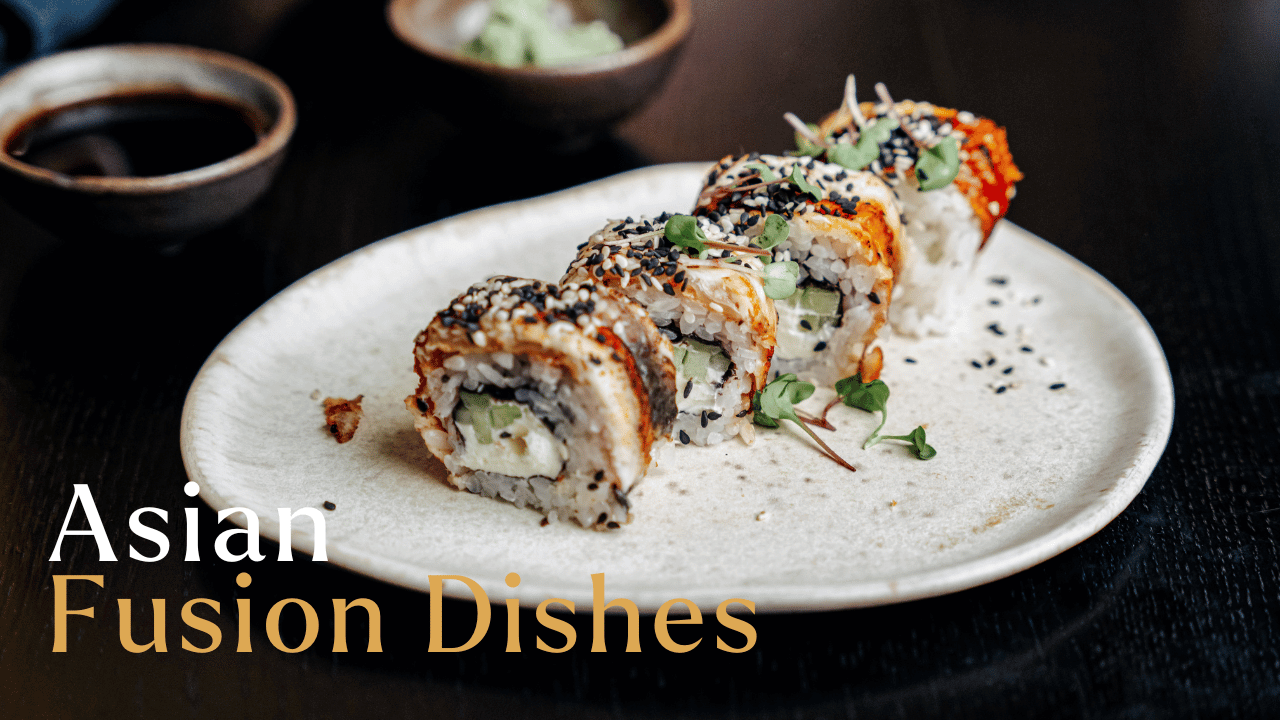
Korean BBQ tacos stuffed with kimchi and cilantro. Sushi burritos wrapped in seaweed and packed with tempura shrimp. Ramen burgers with noodle "buns" cradling juicy beef patties. These aren't culinary accidents, they're the delicious reality of Asian fusion cuisine that's conquered American palates from coast to coast.
Asian fusion represents the creative marriage of traditional Asian flavors with Western cooking techniques, local ingredients, and familiar formats. What started in California's diverse kitchens has spread nationwide, transforming both restaurant menus and home cooking.
What Is Asian Fusion Food? Definition & Philosophy
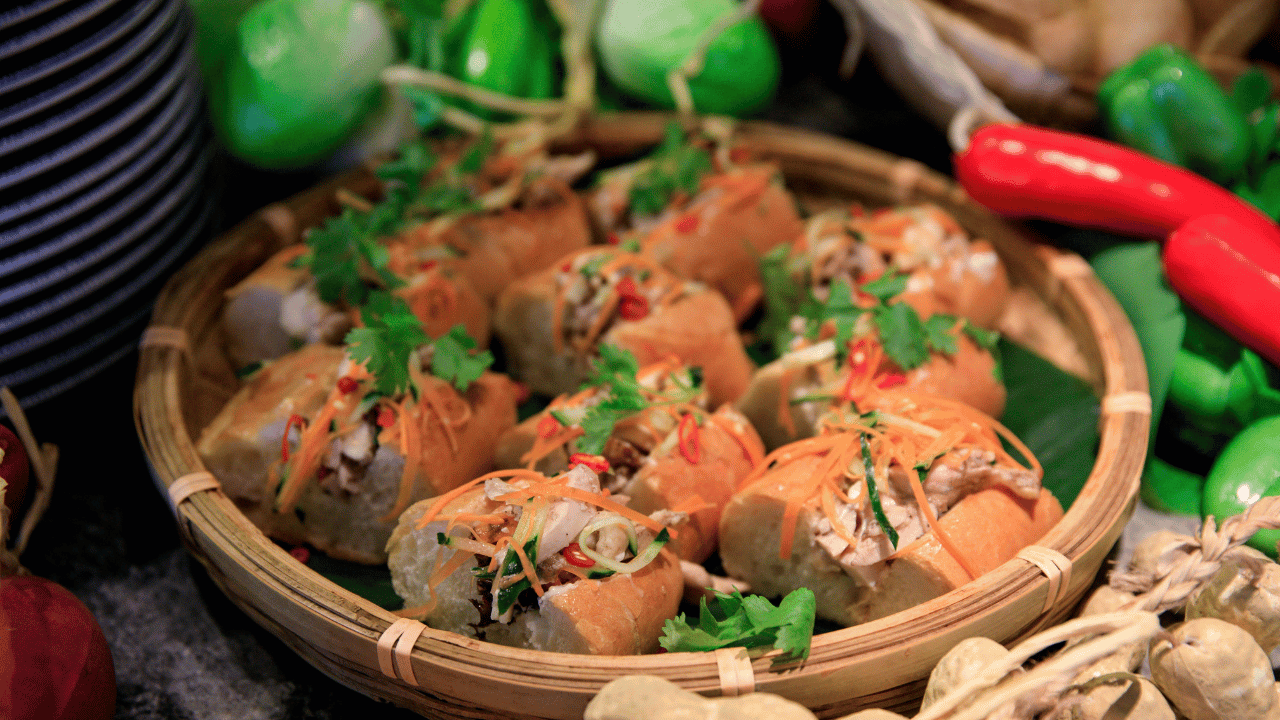
Asian fusion combines traditional Asian cooking techniques and flavors with influences from Western, Latin, or Mediterranean cuisines. Rather than diluting authenticity, fusion creates entirely new dishes that honor multiple culinary traditions. The Vietnamese banh mi sandwich exemplifies this perfectly: French baguettes meet Vietnamese pickled vegetables, cilantro, and savory proteins, creating an iconic dish that respects both cultures.
This approach differs from pan-Asian cuisine (which blends multiple Asian traditions) and authentic Asian cooking (which preserves traditional regional recipes). Fusion food represents intentional culinary innovation, not imitation.
Fusion vs. Authentic: What's the Difference?
Authentic Asian cuisine faithfully recreates traditional regional recipes using time-honored techniques and ingredients. Fusion cuisine respects those foundations but introduces new elements, creating dishes that wouldn't exist in traditional Asian kitchens. Neither approach is superior; they serve different purposes and satisfy different cravings.
Why Asian Fusion Is So Popular Right Now
Asian fusion has exploded across American dining scenes, driven by several converging cultural forces. Social media platforms like Instagram have turned visually striking dishes into viral sensations. Korean BBQ tacos and rainbow sushi burritos aren't just meals; they're shareable content that drives restaurant discovery.
Globalization and increased immigration have introduced Americans to authentic Asian flavors while creating communities of chefs comfortable blending their heritage with local tastes. Food trucks provide low-barrier entry points for culinary experimentation, allowing innovative cooks to test bold combinations without massive overhead.
The American palate has grown more sophisticated, embracing umami-rich ingredients and complex spice profiles. This cultural shift, combined with the visual appeal and novelty factor of fusion dishes, has created perfect conditions for Asian fusion's current dominance.
25 Must-Try Asian Fusion Dishes
These innovative creations showcase how traditional Asian flavors transform when paired with Western techniques and ingredients:
1. Korean BBQ Tacos blend marinated bulgogi beef with crispy corn tortillas and kimchi slaw.
2. Sushi Burritos wrap sashimi-grade fish, avocado, and vegetables in oversized nori sheets.
3. Ramen Burgers replace traditional buns with crispy fried ramen noodles.
4. Banh Mi Sliders miniaturize Vietnamese sandwiches with pâté, pickled daikon, and cilantro.
5. Wonton Tacos feature crispy fried wonton shells filled with Asian-spiced proteins.
6. Thai Red Curry Tacos bring coconut milk richness and lemongrass heat to handheld format.
7. Crab Rangoon Dip transforms the appetizer into shareable form.
8. Spicy Tuna Poke Bowls combine Hawaiian tradition with Japanese technique.
9. Indian Naan Tacos use pillowy bread as vessels for curry-spiced fillings.
10. Honey Sesame Chicken balances sweet glaze with savory umami notes.
11. Miso Glazed Salmon pairs Japanese fermented soybean paste with Western grilling techniques.
12. Asian Lettuce Wraps stuff butter lettuce with spiced ground meat and water chestnuts.
13. Kimchi Fried Rice elevates leftover rice with fermented Korean vegetables.
14. General Tso's Cauliflower offers a vegetarian twist on the American-Chinese classic.
15. Thai Basil Pizza combines aromatic herbs with traditional Italian flatbread.
16. Bulgogi Sliders shrink Korean marinated beef into bite-sized portions.
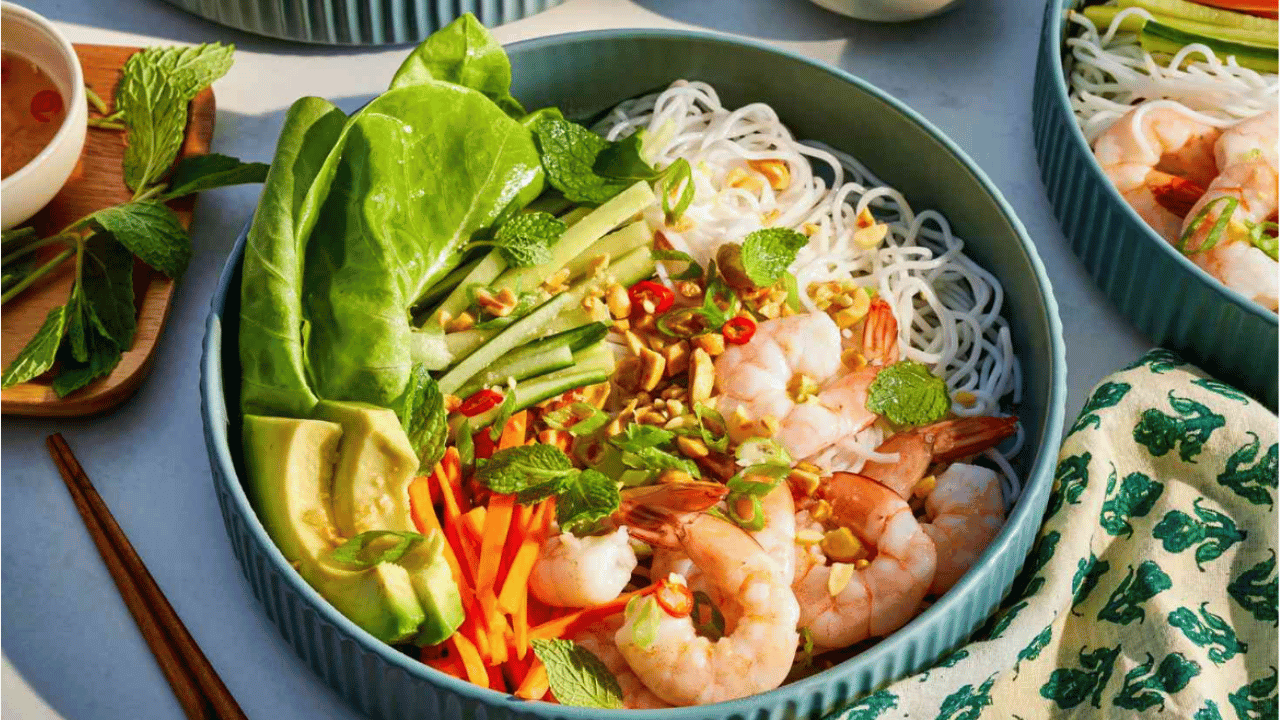
17. Vietnamese Spring Roll Bowls deconstruct the wrapped appetizer into salad format.
18. Teriyaki Chicken Quesadillas meld Japanese glazes with Mexican cheese melts.
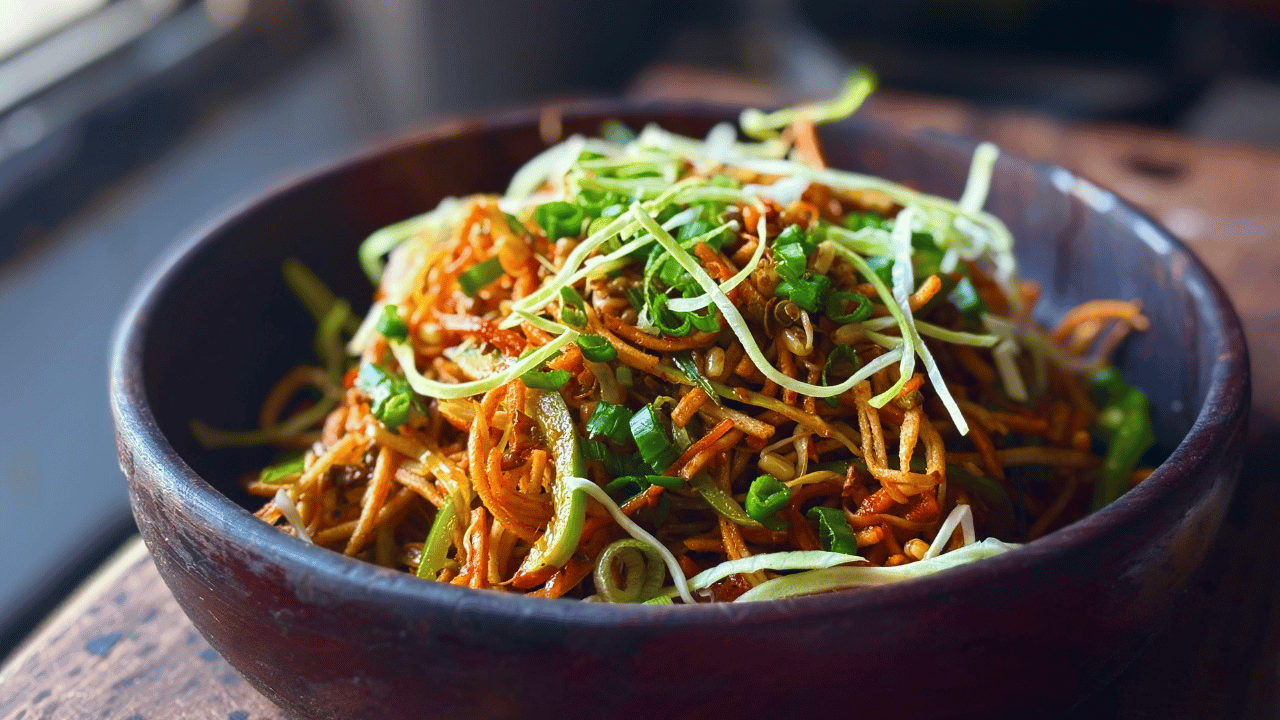
19. Asian Fusion Coleslaw brightens cabbage with sesame-ginger dressing.
20. Pad Thai Zoodles substitute spiralized zucchini for rice noodles.
21. Korean Corn Dogs coat hot dogs in rice flour batter and potato cubes.
22. Mango Sticky Rice Ice Cream transforms the Thai dessert into frozen treat format.
23. Chinese Five-Spice Ribs apply aromatic spice blends to American barbecue.
24. Soba Noodle Salad serves buckwheat noodles cold with fresh vegetables.
25. Coconut Curry Soup adapts Southeast Asian flavors for Western soup courses.
Where to Find Asian Fusion Food Near You
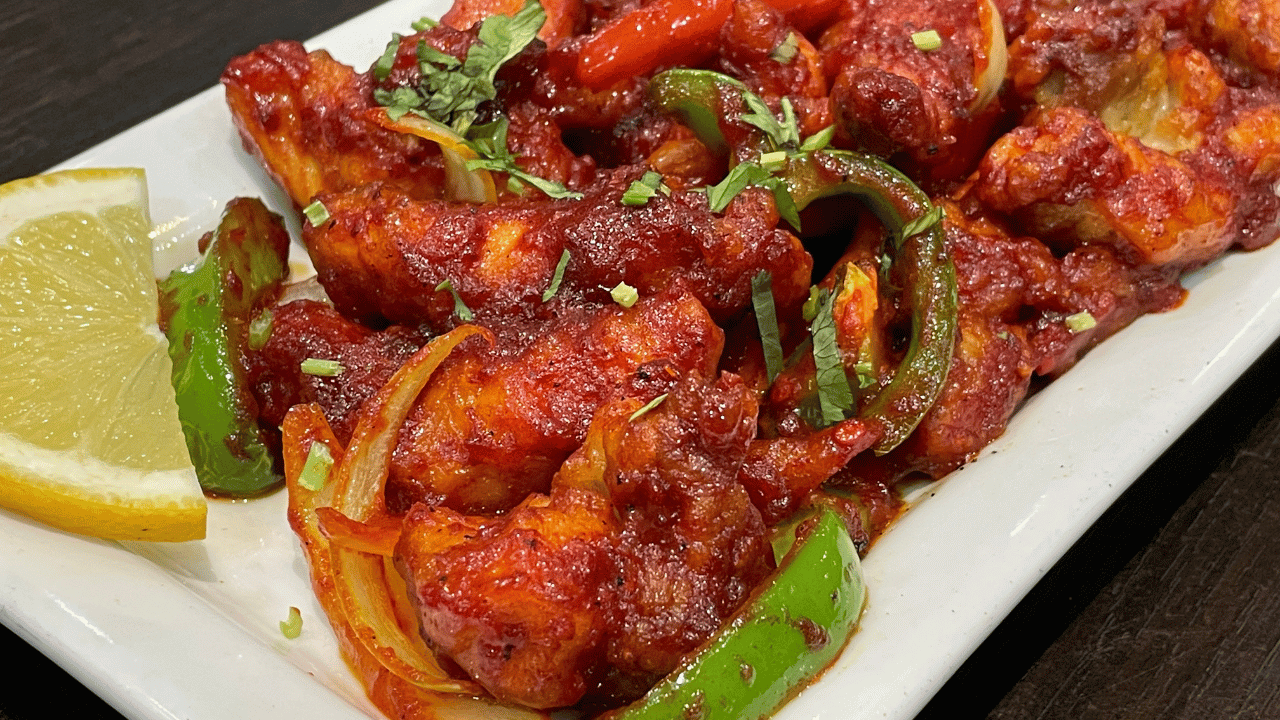
The best fusion food often comes from unexpected places. Food trucks lead the innovation charge, serving everything from Korean BBQ tacos to ramen burgers without the overhead costs that limit restaurant experimentation. Pop-up restaurants and farmers markets frequently showcase creative fusion recipes from emerging chefs.
Fusion Restaurant Chains Worth Trying
Established chains like Umami Burger have perfected the art of Asian-inspired comfort food, while fast-casual spots increasingly offer fusion options alongside traditional menus. Many local Asian restaurants now feature fusion sections, blending their authentic expertise with Western techniques.
How to Spot a Quality Fusion Restaurant
Look for menus that balance innovation with respect for source cuisines. Quality fusion restaurants list ingredient origins, avoid gimmicky combinations, and maintain consistent execution across dishes. Red flags include overly complex menus mixing too many cuisines or fusion items that seem randomly assembled.
Hosting an Asian Fusion Dinner Party at Home
Creating a memorable fusion dinner party means balancing bold flavors with smart preparation. Your guests will appreciate the creative combinations when you plan strategically and execute with confidence.
Sample Fusion Menu for 6 Guests
Start with Korean BBQ lettuce wraps as appetizers, followed by miso-glazed salmon with coconut rice and pickled vegetables for the main course. Include a refreshing Asian slaw with sesame-ginger dressing as your salad component. Finish with green tea panna cotta topped with black sesame tuile cookies.
For beverages, pair crisp sake or Riesling with the salmon, while light lagers complement the BBQ wraps perfectly.
Prep Timeline & Make-Ahead Tips
Two days before: Make panna cotta and tuile cookies. Day before: Marinate proteins, prepare pickled vegetables, and mix salad dressing. Two hours before guests arrive: Cook rice, prep lettuce cups, and set the table. Thirty minutes before: Start grilling salmon and warming rice.
Fusion vs. Authentic Asian Cuisine: Which Should You Choose?
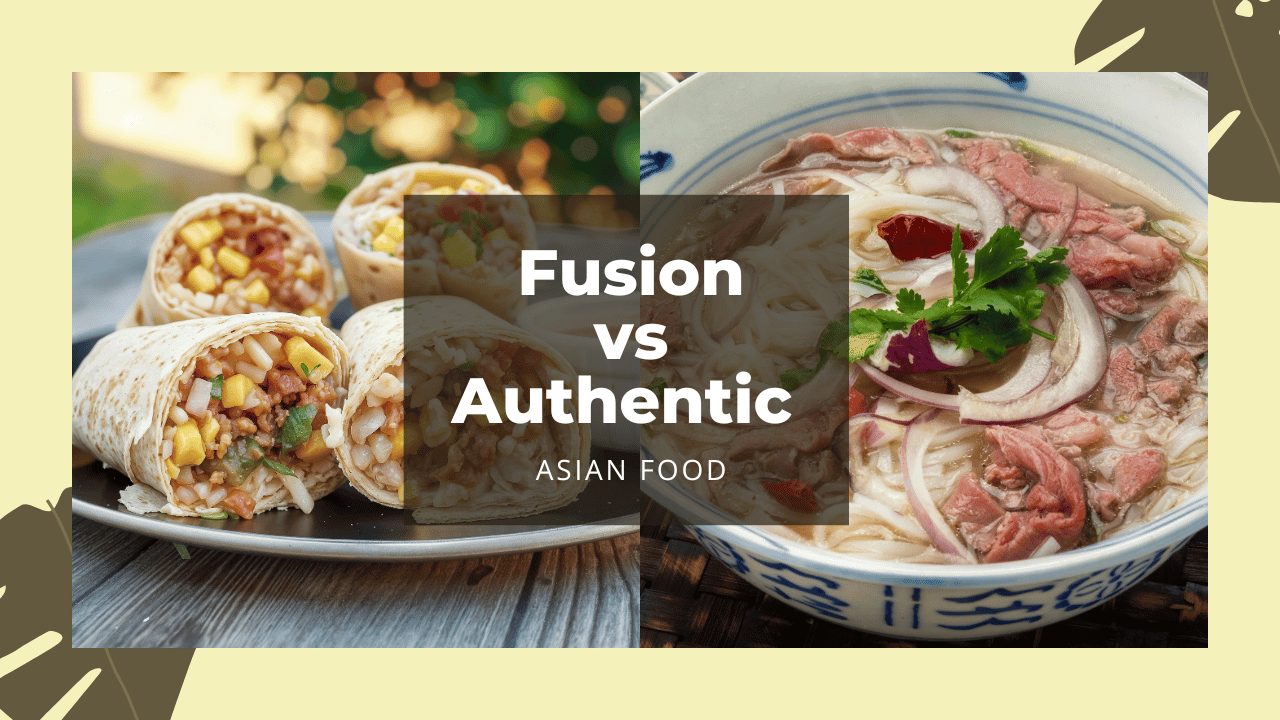
The choice between fusion and authentic Asian cuisine isn't about right or wrong, it's about purpose and context. Fusion dishes excel when you want bold experimentation and accessibility. Korean BBQ tacos make Korean flavors approachable for newcomers, while sushi burritos offer familiar formats with exciting twists.
Authentic cuisine shines when you seek cultural depth and traditional mastery. A perfectly executed pho or hand-pulled noodles represents generations of technique refinement. Consider your goals: hosting a creative dinner party? Fusion brings conversation and surprise. Learning about Vietnamese culinary heritage? Authentic dishes provide that cultural connection.
Frequently Asked Questions
-
Asian fusion combines traditional Asian cooking techniques, ingredients, and flavors with elements from other cuisines or modern interpretations. Unlike authentic Asian cuisine that follows traditional recipes and cultural practices, fusion dishes create new flavor profiles by blending Korean kimchi with Mexican tacos or Japanese techniques with French sauces.
-
Asian fusion isn't authentic in the traditional sense, but it's not necessarily a gimmick either. Many fusion dishes represent genuine cultural evolution and creativity from skilled chefs who understand both Asian and Western culinary traditions. The key is whether the fusion creates harmonious flavors rather than random combinations.
-
Korean BBQ tacos, ramen burgers, poke bowls, bao sliders, and sushi burritos top the list. Thai-inspired salads with non-traditional proteins, Filipino-Mexican mashups, and Asian-spiced fried chicken sandwiches are also trending heavily across American restaurants.
-
You can absolutely make fusion dishes at home. Start with simple combinations like adding sriracha to mac and cheese or using Asian marinades on familiar proteins. Focus on understanding basic flavor profiles (sweet, salty, umami, spicy) rather than complex techniques.
-
Fusion dishes are highly photogenic and offer familiar comfort foods with exciting new flavors. They appeal to adventurous eaters while remaining accessible to those hesitant about traditional Asian cuisine. The Instagram-worthy presentation and unique flavor combinations drive social sharing.
