
Asian Greens – Know About 17 Essential Varieties
Asian greens are some of the most versatile, nutritious, and flavorful vegetables used across Asian cuisines. From crisp bok choy in stir-fries to fragrant herbs floating in a steaming bowl of pho, these greens offer a wide spectrum of textures, tastes, and culinary possibilities. Many belong to the Brassica family—such as napa cabbage, gai lan, and mustard greens—while others are tender leafy vegetables, shoots, or even edible roots commonly paired with greens in traditional dishes. Their flavors range from mildly sweet and peppery to slightly bitter and earthy, making them suitable for everything from quick sautés and soups to fresh salads and pickled side dishes. Beyond taste, Asian greens are valued for their vibrant colors and ability to balance rich proteins and broths, adding freshness and contrast to every bite.
We explore 17 essential varieties of Asian greens, their classifications, nutritional benefits, and how they are used in Vietnamese cuisine—especially at Saiga Vietnamese Eatery, where fresh herbs and greens play a central role in dishes like banh mi, pho, and vibrant salads. These greens are not only culinary staples but also nutritional powerhouses packed with vitamins A, C, and K, fiber, and antioxidants that support overall health. Understanding their differences—from leafy greens versus stem vegetables to herbs versus cruciferous varieties—helps diners and home cooks alike appreciate the depth they bring to each dish. Whether layered into a bánh mì for crunch, served on the side of pho for customization, or tossed into refreshing bowls and salads, Asian greens elevate both flavor and presentation in every meal.
Asian Greens at Saiga Vietnamese Eatery
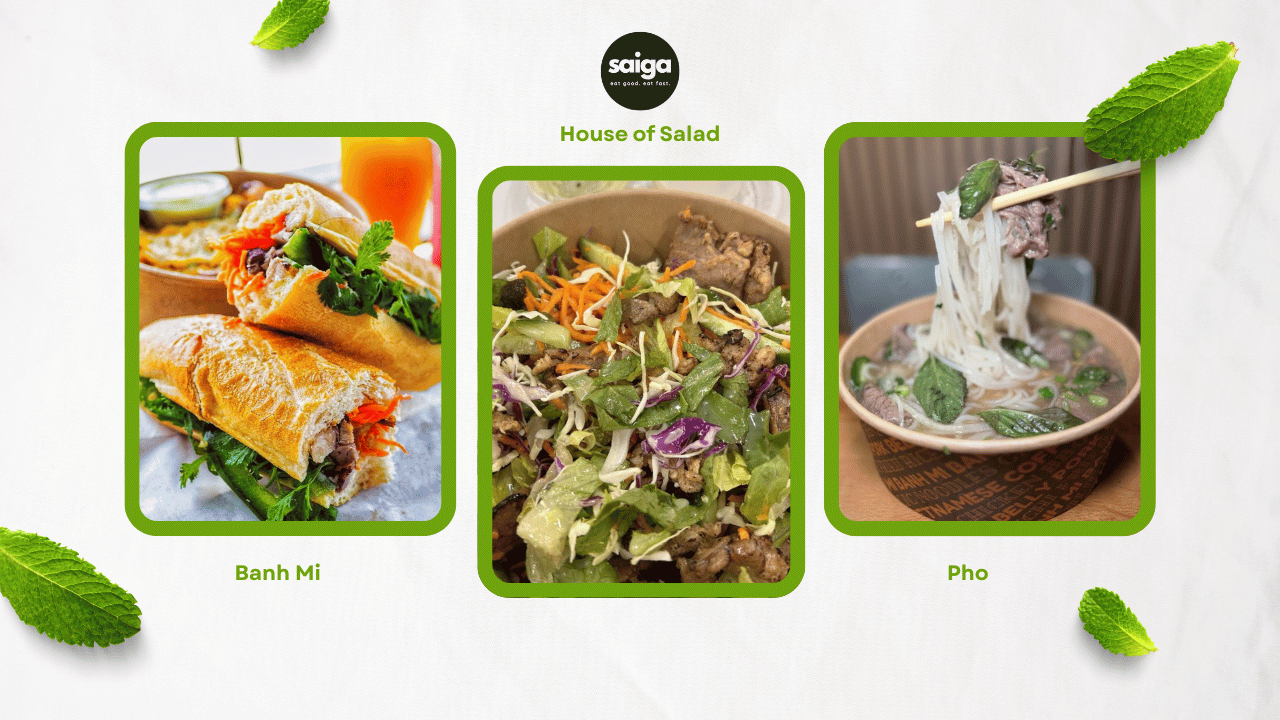
Fresh vegetables and herbs are foundational elements in Vietnamese cooking. At Saiga Vietnamese Eatery, Asian greens are not just side ingredients—they define flavor, texture, and authenticity.
Fresh Greens in Banh Mi
A traditional Vietnamese bánh mì is a masterful balance of savory proteins, tangy pickles, and crisp vegetables tucked into a light, airy baguette, a culinary evolution influenced by French colonial history. At Saiga Vietnamese Eatery, each sandwich is thoughtfully layered with fresh cilantro for herbal brightness, pickled carrots and slices of jalapeños for gentle heat. These greens do more than add volume—they provide a refreshing contrast to rich fillings like grilled pork, lemongrass chicken, or marinated tofu, contributing peppery notes or mild crispness that prevent the sandwich from feeling heavy. The result is the signature harmony of Vietnamese street food, where salty, sweet, sour, spicy, and fresh elements come together in every satisfying bite.
Herbs and Leaves in Pho
Pho is more than just broth and noodles—it is a deeply comforting and customizable experience centered around fresh herbs and greens. At Saiga Vietnamese Eatery, each bowl features a rich 24-hour bone broth served with your choice of protein, silky rice noodles, and a generous garnish of white and green onions along with fresh cilantro. These bright, aromatic greens enhance the depth of the slow-simmered broth, adding layers of freshness, texture, and fragrance that elevate pho from a simple soup into a vibrant, well-balanced meal.
Asian Greens in Salads and Bowls
Vietnamese salads and rice bowls celebrate freshness through a vibrant combination of romaine lettuce, mint, cabbage mix, cucumbers, and pickled carrots, creating a crisp and aromatic base full of texture and flavor. Served with house dressing and green aioli, the dish delivers a balanced contrast between refreshing greens, tangy accents, and creamy richness, reflecting the broader Southeast Asian philosophy of pairing bright, fresh ingredients with bold flavors. This dish is vegetarian by default, and it can easily be made vegan by selecting the option to remove the house dressing and green aioli, allowing the natural flavors of the fresh vegetables and herbs to shine even more clearly.
Classification of Asian Greens
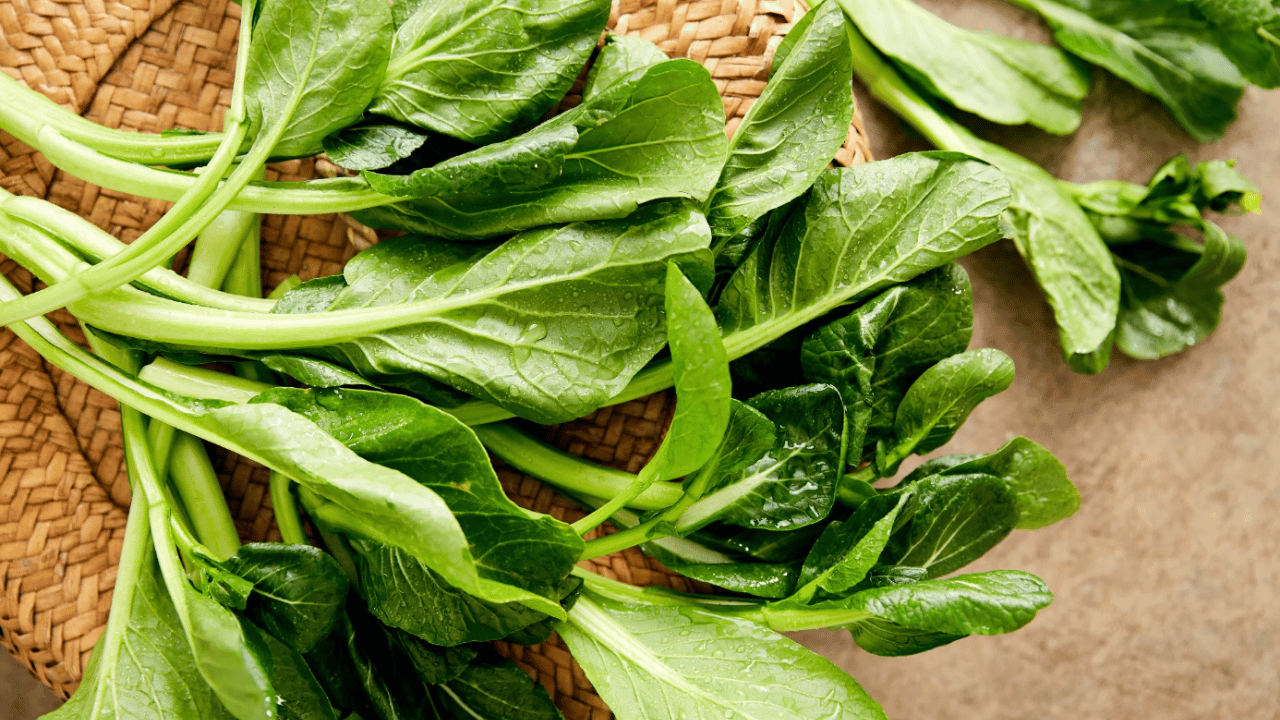
Asian greens encompass a wide range of vegetables with different botanical origins and culinary uses.
Leafy Greens vs. Other Asian Vegetables
Leafy greens refer to vegetables primarily consumed for their leaves and stems—such as bok choy, mizuna, and water spinach. These are typically tender, quick-cooking, and commonly used in stir-fries or soups.
Other Asian vegetables, such as lotus root or bean sprouts, are not technically leafy greens but are frequently paired with them in traditional dishes. Lotus root is an edible rhizome, while bean sprouts are germinated seeds. Their inclusion in Asian cuisine alongside greens makes them essential components of the broader category.
Common Naming Conventions and Latin Names
Asian greens often have multiple names depending on region and language. For example:
Bok choy is also known as pak choy.
Gai lan is referred to as Chinese broccoli.
Yu choy is also called choy sum.
Latin names, such as Brassica rapa or Brassica juncea, help standardize classification. Many Asian greens fall within the Brassica genus, which also includes cabbage, kale, and mustard greens.
Regional Variations Across Asia
China, Japan, Korea, Taiwan, Vietnam, and Southeast Asian countries each cultivate their own preferred varieties. Japanese cuisine features mizuna and komatsuna. Chinese markets offer multiple types of choy. Southeast Asia favors water spinach and amaranth greens.
Climate and agricultural practices shape these variations, resulting in diverse textures and flavors across the region.
Comprehensive List of Asian Greens
Brassica Family (Mustard/Cabbage Types)
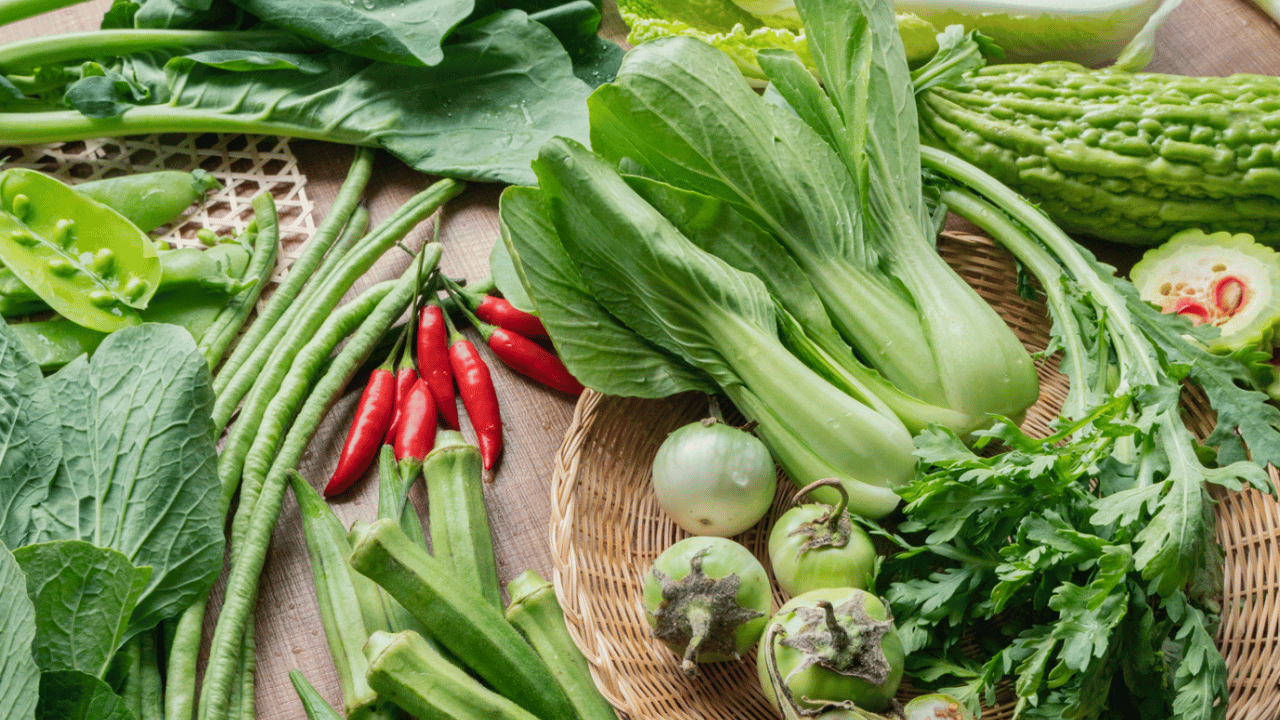
1. Bok Choy / Pak Choy – Chinese Cabbage Variety
Bok choy has crisp white stalks and dark green leaves. It is mild, slightly sweet, and excellent in stir-fries or soups.
2. Napa Cabbage (Chinese Cabbage)
Napa cabbage features pale green leaves and a tender texture. It is commonly used in hot pots, stir-fries, and fermented dishes like kimchi.
3. Gai Lan (Chinese Broccoli)
Gai lan has thick stems and flat leaves with small florets. It has a slightly bitter taste and is often blanched or stir-fried with garlic.
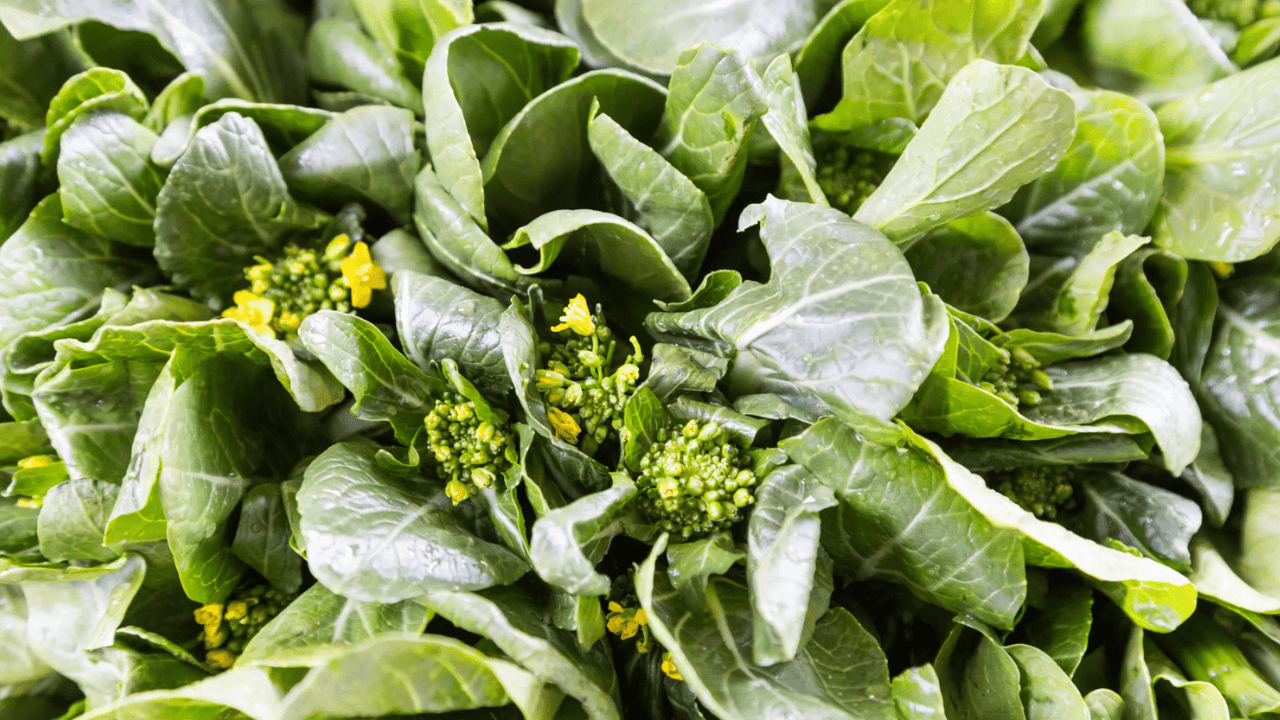
4. Yu Choy / Choy Sum (Chinese Oil Vegetable)
Choy sum has slender stems and yellow flowers. It is tender and mildly sweet, making it popular in noodle soups.
5. Mustard Greens (Brassica juncea)
Mustard greens are peppery and robust. They are frequently pickled or stir-fried.
6. Mizuna (Japanese Mustard Greens)
Mizuna has delicate, feathery leaves and a mild peppery flavor. It is excellent in salads.
7. Komatsuna (Japanese Mustard Spinach)
Komatsuna resembles spinach but belongs to the Brassica family. It is tender and versatile.
Other Popular Leafy Greens
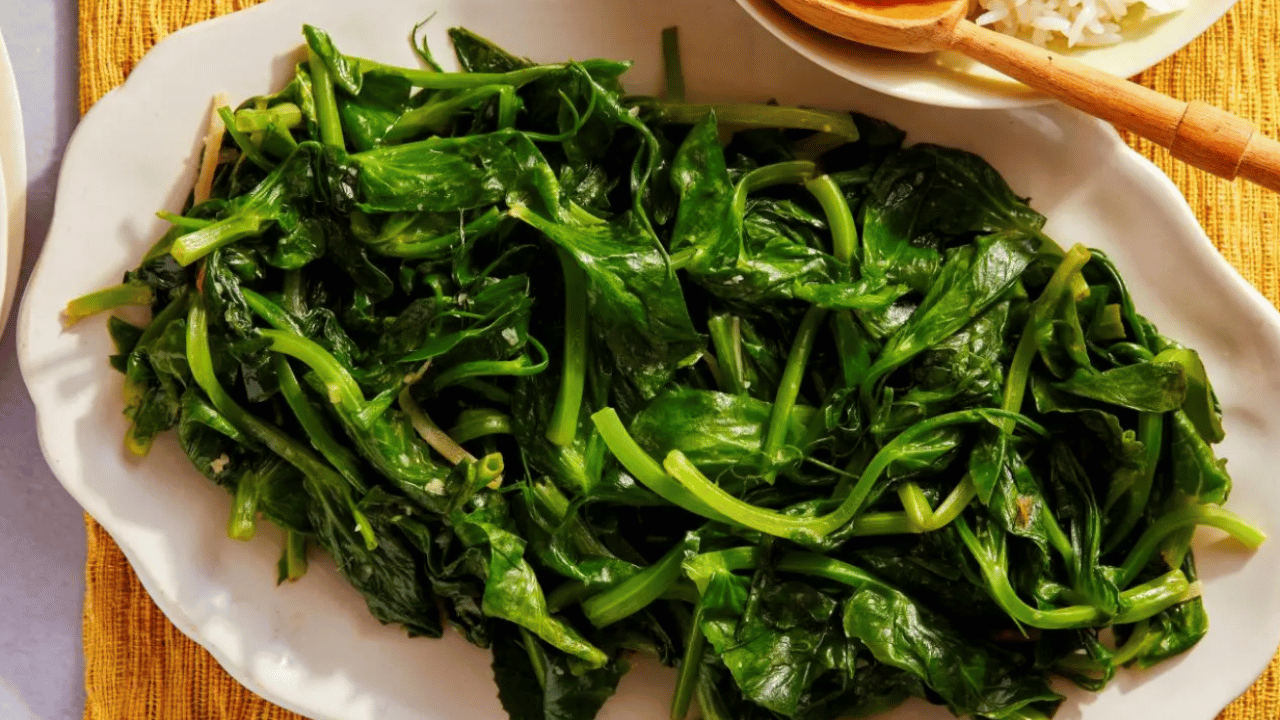
8. Water Spinach (Kangkong / Ong Choy)
Water spinach has hollow stems and elongated leaves. It thrives in aquatic environments and is often stir-fried with garlic and chili.
9. Snow Pea Shoots / Pea Shoots
These tender shoots have a sweet pea flavor and are commonly stir-fried or used in salads.
10. Chrysanthemum Greens (Tong Ho / Shungiku)
These aromatic greens are slightly bitter and used in hot pots and soups.
11. Tatsoi – Rosette Bok Choy Variety
Tatsoi forms spoon-shaped leaves in a rosette pattern. It is mild and tender.
12. A-Choy (Taiwanese Lettuce)
A-Choy has crisp stems and slightly bitter leaves, often stir-fried quickly.
13. En Choy / Amaranth Greens
Amaranth greens can have green or red leaves. They are soft and earthy in flavor.
14. Daikon Greens (Radish Leaves)
The leafy tops of daikon radish are edible and slightly peppery.
15. Fava Greens (Broad Bean Greens)
Fava greens are tender and sweet with a subtle bean flavor.
Additional Asian Greens & Veggies
16. Lotus Root (Vegetable Root, Often Paired with Greens)
Lotus root is crunchy with a mildly sweet flavor. Though not leafy, it is frequently included in stir-fries and soups alongside greens.
17. Bean Sprouts / Mung Bean Sprouts
Bean sprouts are crisp and refreshing. They are essential in pho and salads.
Nutritional Profile of Asian Greens
Vitamins, Minerals & Antioxidants
Asian greens are rich in vitamin A, vitamin C, vitamin K, folate, calcium, and iron. Dark leafy varieties contain antioxidants such as beta-carotene and flavonoids that support overall health.
Many Brassica vegetables also contain glucosinolates—compounds studied for their potential protective effects.
Comparisons With Western Greens
Compared to common Western greens like iceberg lettuce, many Asian greens provide higher nutrient density and stronger flavor. Bok choy, for example, contains more vitamin A and C per serving than lettuce. Mustard greens rival kale in antioxidant content.
Health Benefits (Heart, Immune System, Digestion)
Regular consumption of Asian greens may:
Support heart health due to fiber and potassium
Strengthen the immune system through vitamin C
Aid digestion with fiber-rich leaves
Contribute to bone health via vitamin K and calcium
Their low-calorie yet nutrient-rich profile makes them ideal for balanced diets.
How to Choose and Store Asian Greens
Tips for Selecting Fresh Greens
Look for:
Bright, vibrant leaves
Crisp stems without wilting
No yellowing or slimy texture
Firm roots if attached
Smaller leaves are often more tender and less bitter.
Common Storage Mistakes to Avoid
Avoid washing greens before storage, as excess moisture accelerates spoilage. Do not seal them tightly in plastic without airflow. Keep them in the refrigerator’s crisper drawer.
Best Practices for Washing and Prepping
Wash greens thoroughly under cold running water to remove dirt and grit. For layered vegetables like bok choy, separate leaves to clean between stalks. Trim tough stems if necessary.
For stir-fries, cut into uniform pieces for even cooking. For soups, add delicate greens near the end to preserve texture and nutrients.
Asian greens represent an extraordinary range of flavors, textures, and nutritional benefits. From the mild sweetness of bok choy to the peppery bite of mustard greens, these vegetables enrich cuisines across Asia and beyond. Their versatility makes them suitable for stir-fries, soups, salads, pickles, and noodle dishes.
At Saiga Vietnamese Eatery, fresh Asian greens are more than garnish—they are essential components that elevate banh mi, pho, and rice bowls into vibrant culinary experiences. Whether you are exploring Asian cooking at home or enjoying authentic Vietnamese dishes at your favorite restaurant, understanding these 17 essential varieties will deepen your appreciation for the role of greens in Asian cuisine.
FAQ
-
Asian greens refer to a wide variety of leafy vegetables, herbs, and cruciferous plants commonly used in East and Southeast Asian cuisines. They include varieties such as bok choy, napa cabbage, gai lan (Chinese broccoli), mustard greens, water spinach, and fresh herbs like cilantro and Thai basil.
-
Yes, Asian greens are highly nutritious. Most varieties are rich in vitamins A, C, and K, as well as fiber, antioxidants, calcium, and iron. Many cruciferous types, such as bok choy and mustard greens, also contain compounds that support immune health and overall wellness.
-
Asian greens are incredibly versatile and can be stir-fried, steamed, blanched, grilled, pickled, or eaten raw. They are commonly added to soups like pho, used in salads and rice bowls, layered into banh mi sandwiches, or served as side dishes alongside grilled meats and seafood.
-
Leafy greens, such as water spinach or lettuce varieties, are primarily grown for their soft leaves and tender stems. Cruciferous vegetables, like bok choy and napa cabbage, belong to the Brassica family and are known for their slightly peppery flavor and higher concentration of certain phytonutrients.
-
Asian greens should be stored in the refrigerator, ideally wrapped loosely in paper towels and placed inside a breathable plastic bag or container. Keeping them dry and cool helps preserve their crisp texture and prevents wilting, allowing them to stay fresh for several days.
