
Bún Chả: Hanoi's Iconic Grilled Pork Noodle Dish
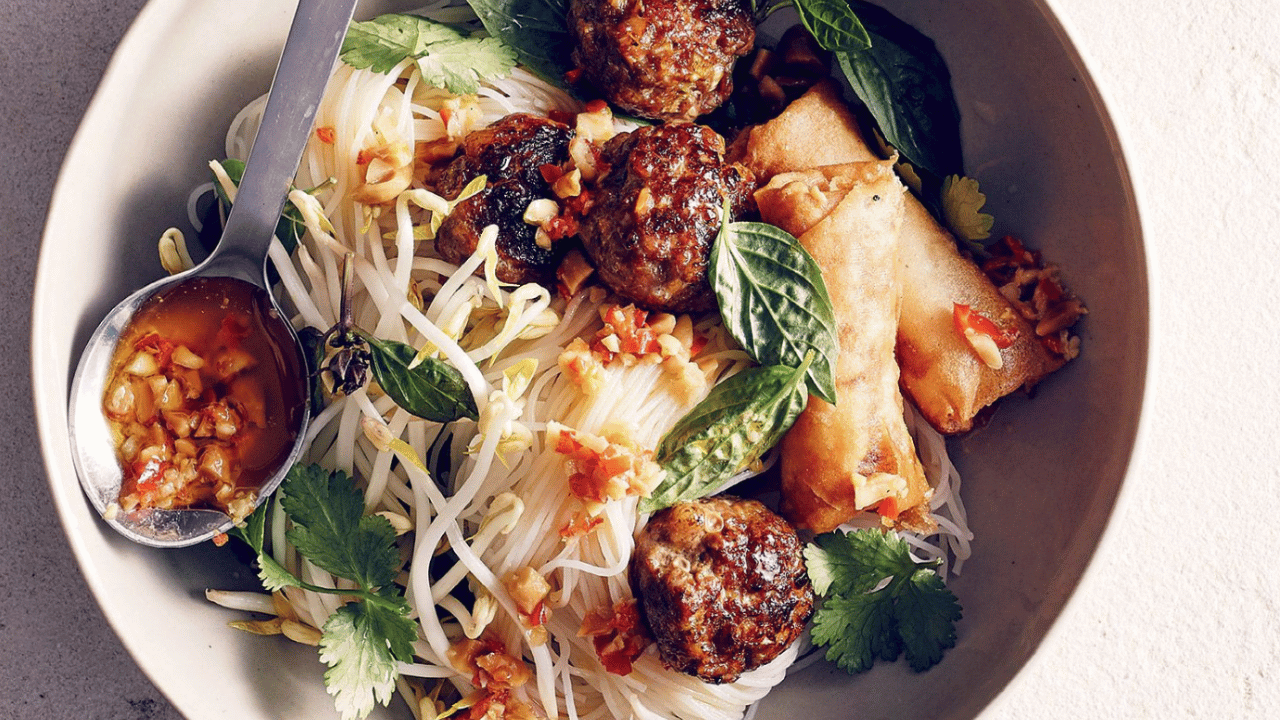
The smoky perfume of charred pork drifts through Hanoi's narrow streets, mingling with cool rice noodles and fresh herbs. This is bún chả, Vietnam's most beloved grilled pork noodle dish and the culinary heartbeat of the capital city.
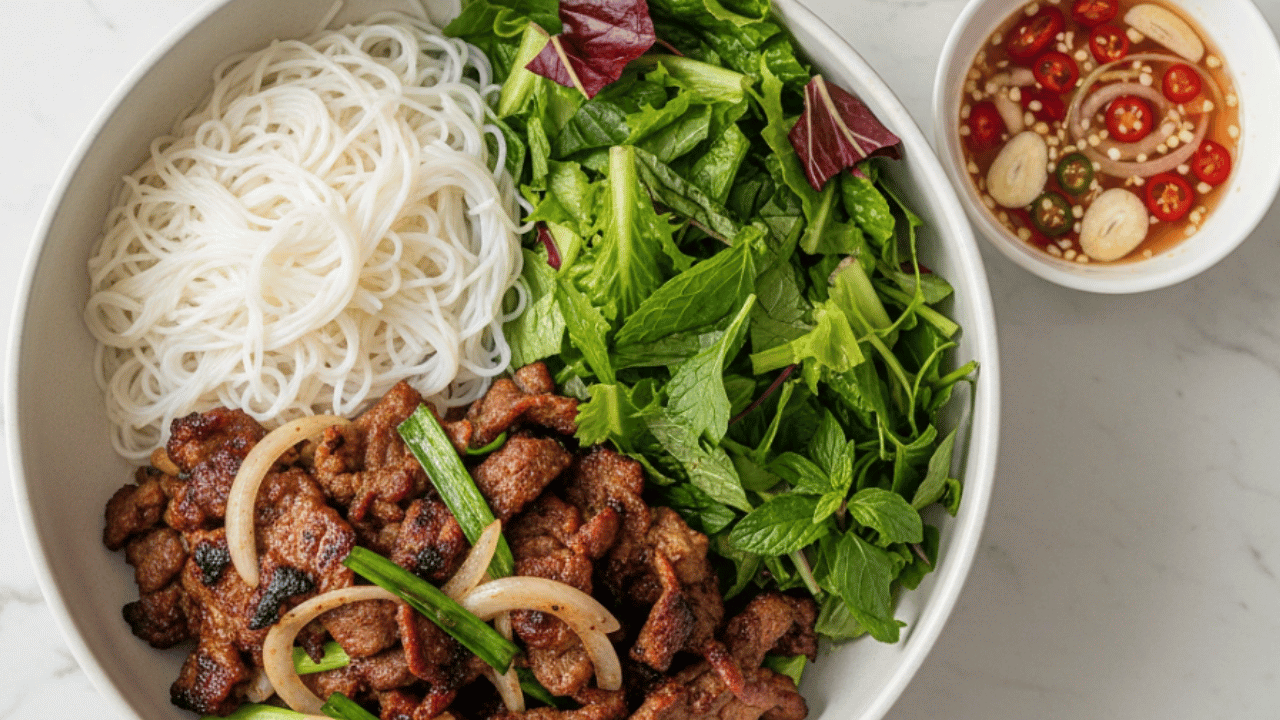
Unlike steaming bowls of phở, bún chả arrives as a deconstructed symphony: tender grilled pork patties and strips of marinated pork belly, room-temperature rice vermicelli, and a tangy-sweet dipping sauce called nước chấm. Each bite combines smoky meat with cool noodles, crisp vegetables, and aromatic herbs like cilantro and perilla.
Born in Hanoi's bustling street food scene, this dish represents Vietnamese cooking at its most elegant and simple. The magic lies in the perfect balance of textures and flavors, from caramelized edges of charcoal-grilled pork to the refreshing contrast of herb-laden broth.
What Is Bún Chả? Definition and Core Components
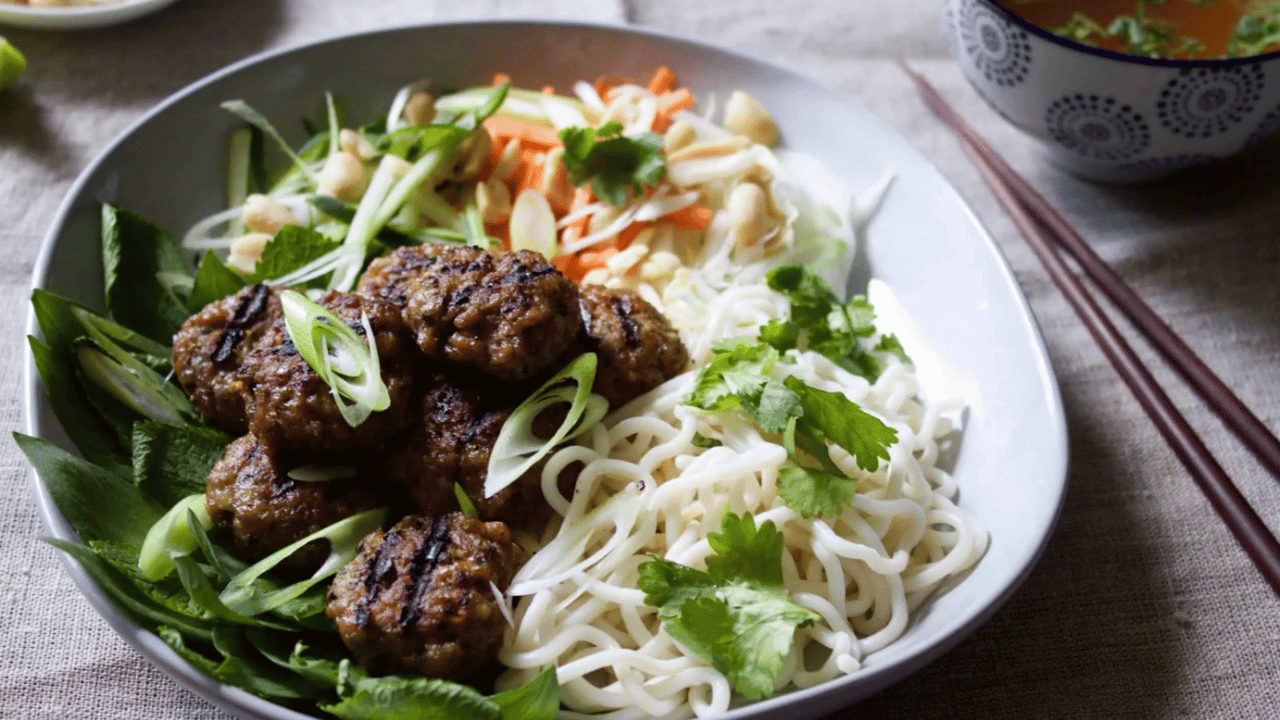
Bún chả is a Vietnamese noodle dish that combines four essential elements into one harmonious meal. Unlike phở's hot broth, bún chả serves its components separately, allowing diners to customize each bite.
The Pork (Chả)
The star comes in two forms: seasoned ground pork patties and strips of marinated pork belly. Both are grilled over charcoal, creating distinctive char marks and smoky flavor. The patties remain juicy inside while developing a caramelized crust, while pork belly strips offer rich, fatty bites with crispy edges.
The Noodles (Bún)
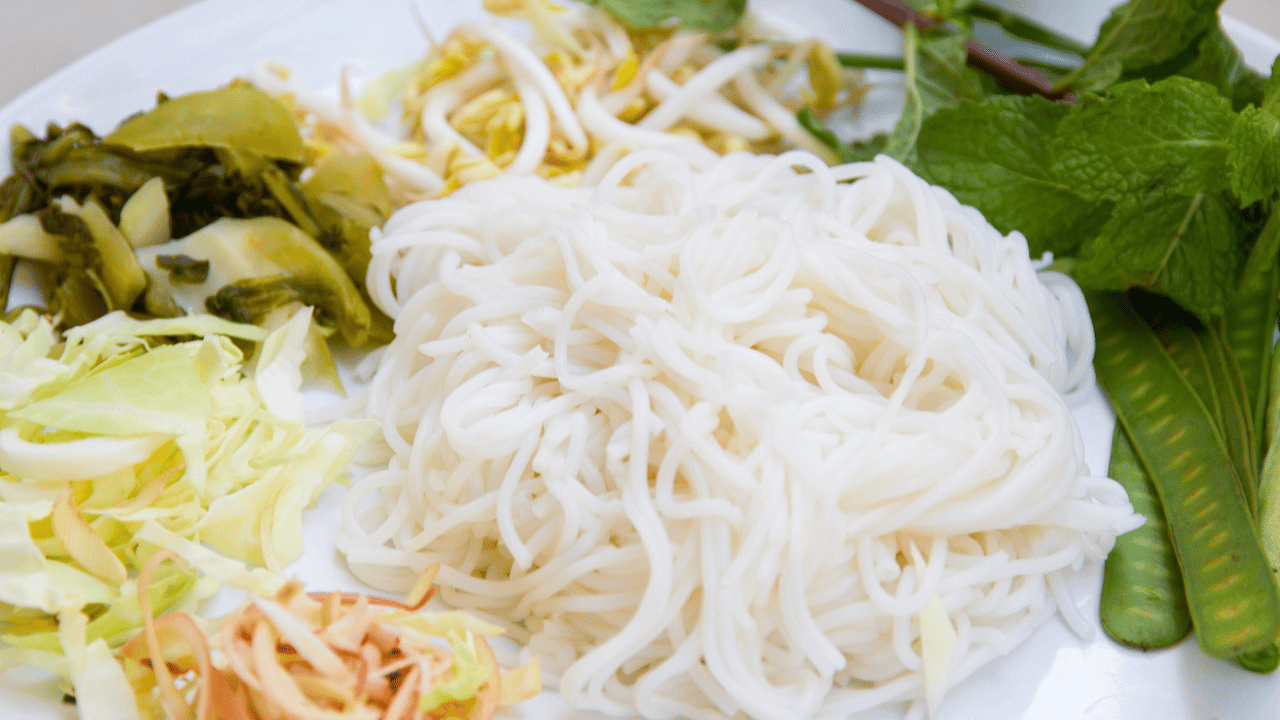
Thin rice noodles provide the dish's foundation. These delicate, white strands are cooked until tender, then served at room temperature. Their mild flavor and soft texture create the perfect canvas for absorbing the dipping sauce.
The Sauce (Nước Chấm)
This sweet and sour dipping sauce balances fish sauce's umami depth with lime juice's acidity, sugar's sweetness, and fresh chili's heat.
The Herbs and Vegetables
Fresh mint, cilantro, and Thai basil add aromatic brightness, while pickled vegetables provide acidic contrast and crunch.
Origins and Cultural Significance: Why Hanoi Owns This Dish
Northern Vietnamese Roots
Bún chả belongs distinctly to Hanoi and northern Vietnam's culinary landscape. The dish emerged from the region's preference for lighter, herb-forward meals that combat humid summers. Unlike southern Vietnamese cuisine with its sweeter profiles, northern cooking emphasizes fresh herbs and balanced, savory flavors.
The grilling technique reflects Hanoi's street-side cooking culture, where vendors perfected charring pork over small charcoal braziers.
Street Food Heritage
Bún chả started as humble street food, sold by vendors with simple stalls and plastic stools along Hanoi's narrow streets. This accessibility made it democratic, enjoyed equally by construction workers and office employees during lunch breaks.
The dish gained international recognition when President Obama shared a meal of bún chả with Anthony Bourdain in a modest Hanoi restaurant in 2016, highlighting how this unpretentious street food represents Vietnam's authentic culinary soul.
How to Make Bún Chả at Home: Simplified Recipe
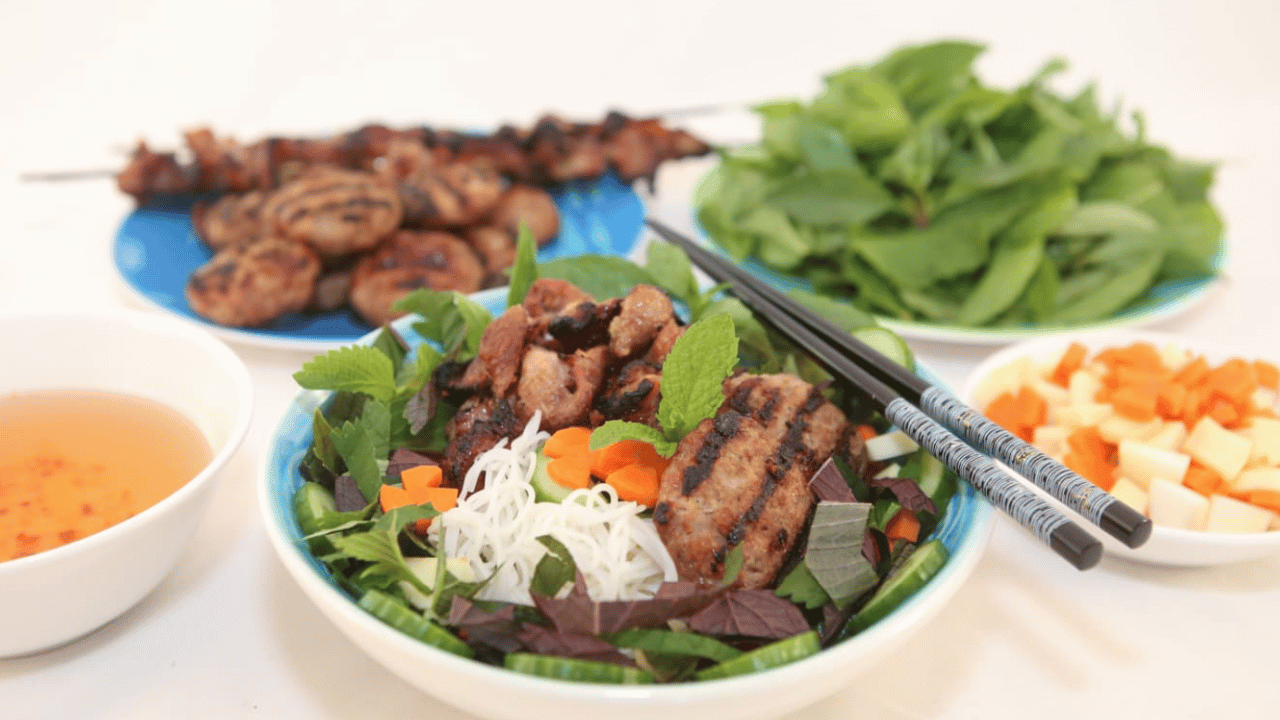
Creating authentic bún chả requires just a few quality ingredients and proper technique. This recipe serves four and delivers the smoky, caramelized flavors that make this Vietnamese dish irresistible.
Ingredients You'll Need
For the pork: 1 pound ground pork, 2 tablespoons fish sauce, 3 cloves minced garlic, 2 tablespoons brown sugar, 1 teaspoon black pepper.
For the sauce: 3 tablespoons fish sauce, 3 tablespoons rice vinegar, 4 tablespoons sugar, 1/4 cup water, 2 Thai chilies (minced), 2 cloves garlic (minced).
Additional: 8 ounces rice vermicelli noodles, fresh herbs (cilantro, mint, lettuce), and pickled vegetables if available.
Preparing the Pork
Mix ground pork with fish sauce, garlic, brown sugar, and pepper. Avoid overworking to maintain tender texture. Form into small patties and marinate for 30 minutes minimum.
Making the Dipping Sauce (Nước Chấm)
Dissolve sugar in warm water, then whisk in fish sauce, rice vinegar, minced garlic, and chilies. Adjust sweetness and acidity to taste.
Cooking and Assembly
Grill patties over medium-high heat for 3-4 minutes per side until charred outside but juicy within. Serve room-temperature noodles in individual bowls with warm pork, fresh herbs, and sauce for dipping.
The Art of Eating Bún Chả: Etiquette and Technique
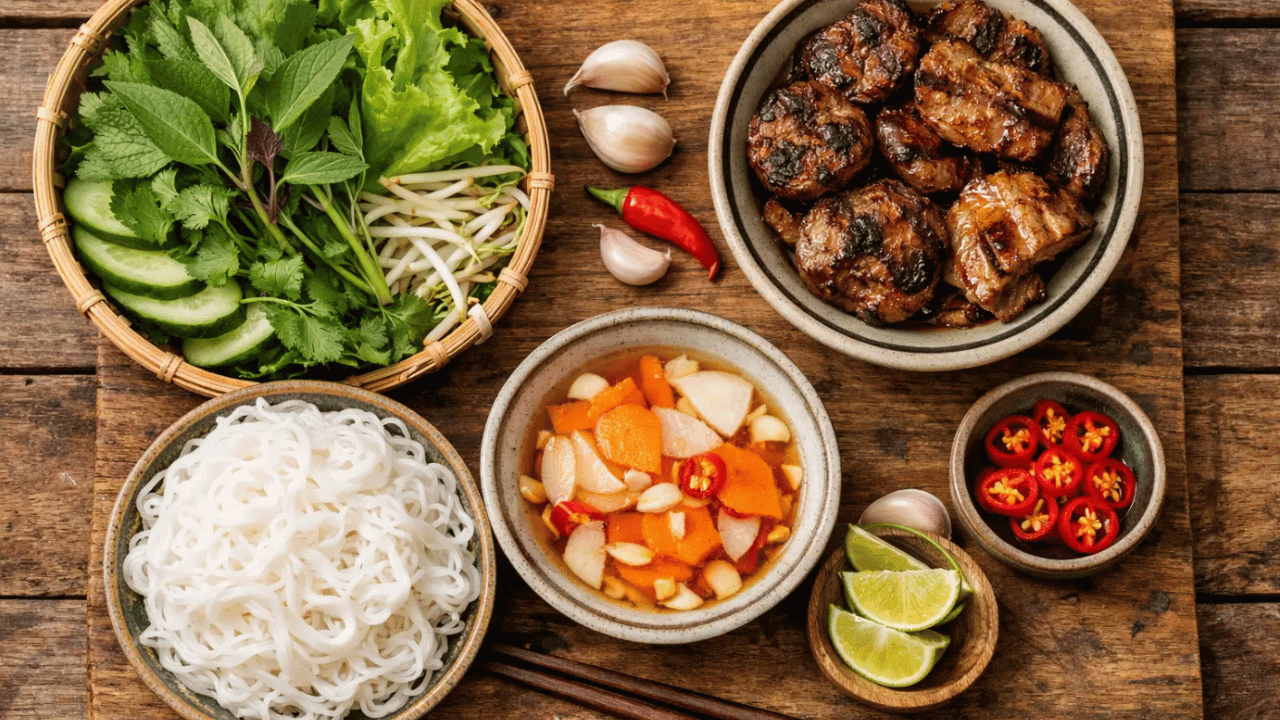
Eating bún chả properly transforms a simple meal into a mindful experience that honors Vietnamese culinary tradition.
The Dipping Ritual
Take small portions of rice noodles with chopsticks and dip them briefly into the nước chấm. The key is restraint: a quick dip coats noodles without drowning them. Let excess sauce drip back before taking your bite.
Balancing Flavors
Layer each bite thoughtfully. Combine noodles with grilled pork, then add fresh herbs like mint or cilantro. The herbs provide cooling contrast to the charred pork's smokiness. Alternate between components to keep your palate engaged.
Common Eating Mistakes
First-timers often oversaturate noodles in sauce, masking subtle flavors. Skipping herbs eliminates essential freshness.
Key Ingredients Explained: What Makes Bún Chả Taste Authentic
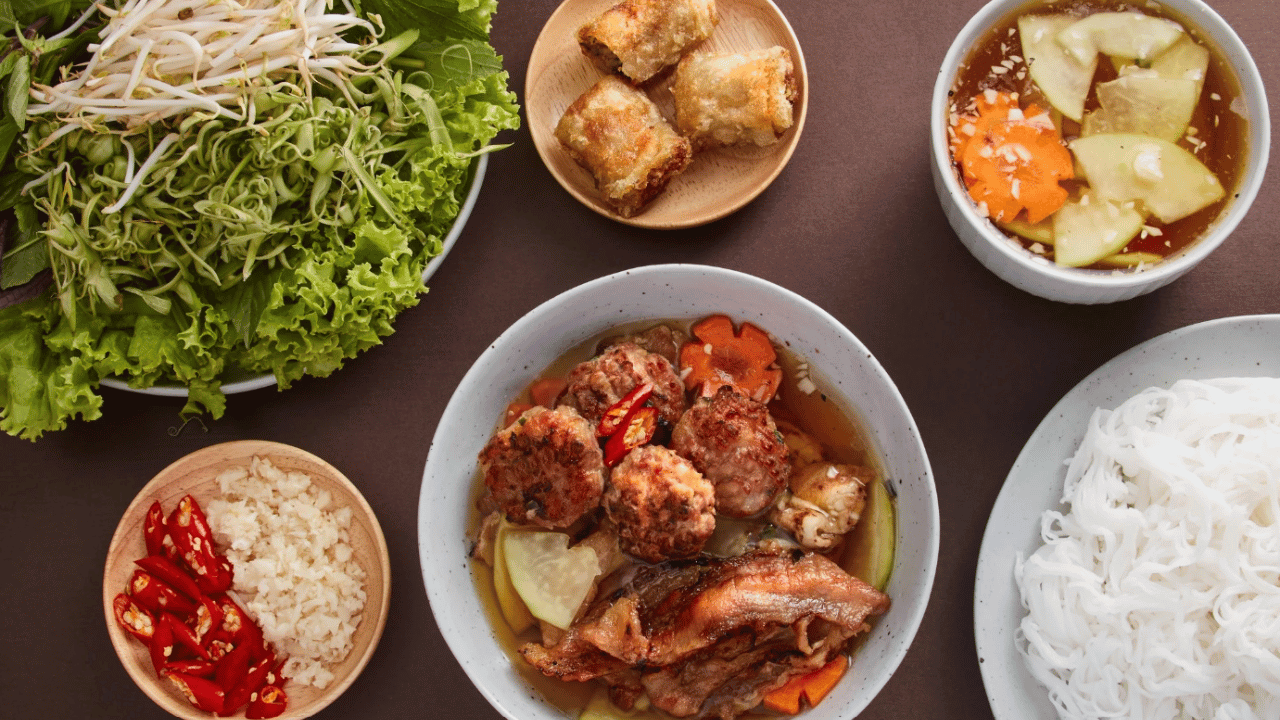
Authentic bún chả relies on precise ingredient choices that create its distinctive balance of sweet, salty, and smoky flavors.
Fish Sauce (Nước Mắm): The Foundation
Fish sauce provides the essential umami backbone. This fermented anchovy liquid adds depth impossible to replicate with salt alone. Look for Vietnamese brands like Red Boat or Three Crabs, which offer cleaner profiles than cheaper alternatives.
The Role of Charcoal
Traditional charcoal grilling produces the distinctive charred edges and smoky aroma that defines authentic bún chả. High heat creates caramelization while wood smoke penetrates the meat.
Fresh Herbs: The Unsung Heroes
Vietnamese mint, cilantro, and Thai basil provide cooling contrast to rich grilled pork. Each herb contributes unique notes: mint offers menthol freshness, cilantro adds citrusy brightness, while Thai basil brings subtle licorice undertones.
Where to Find Authentic Bún Chả: Hanoi and Beyond
In Hanoi's Old Quarter, legendary spots like Bún Chả Tài and Bún Chả Hương Liên (where Obama famously dined) serve the gold standard. Look for vendors grilling over charcoal braziers on sidewalks, with smoke billowing and locals crowding plastic stools.
Outside Vietnam, seek Vietnamese restaurants run by northern Vietnamese families. Telltale signs include handmade pork patties, proper charcoal grilling, and balanced nước chấm with visible garlic and chili.
For those in Orange County seeking authentic northern Vietnamese flavors, restaurants like Saiga Vietnamese Eatery honor Hanoi traditions by grilling pork fresh to order and crafting dipping sauce from scratch.
FAQ
-
Bún chả consists of grilled pork patties and belly served with rice vermicelli noodles, fresh herbs, and a tangy dipping sauce called nước chấm. Unlike phở, which is a hot noodle soup, bún chả is served as separate components that you combine yourself, and the noodles are at room temperature.
-
Take some noodles with your chopsticks, dip them in the nước chấm sauce, then add pieces of grilled pork and fresh herbs. You can also dip the pork directly in the sauce before eating. Mix and match the components to your taste preference.
-
Yes, you can use a gas grill, grill pan, or even broil the pork in your oven. While charcoal gives the most authentic smoky flavor, these alternatives still produce delicious results.
-
Nước chấm is a sweet and sour dipping sauce made with fish sauce, lime juice, sugar, water, and chili. It provides the essential flavor balance that ties all the bún chả components together.
-
The grilled pork is served hot, while the rice noodles and herbs are at room temperature. The contrast in temperatures is part of the dish's appeal.
