
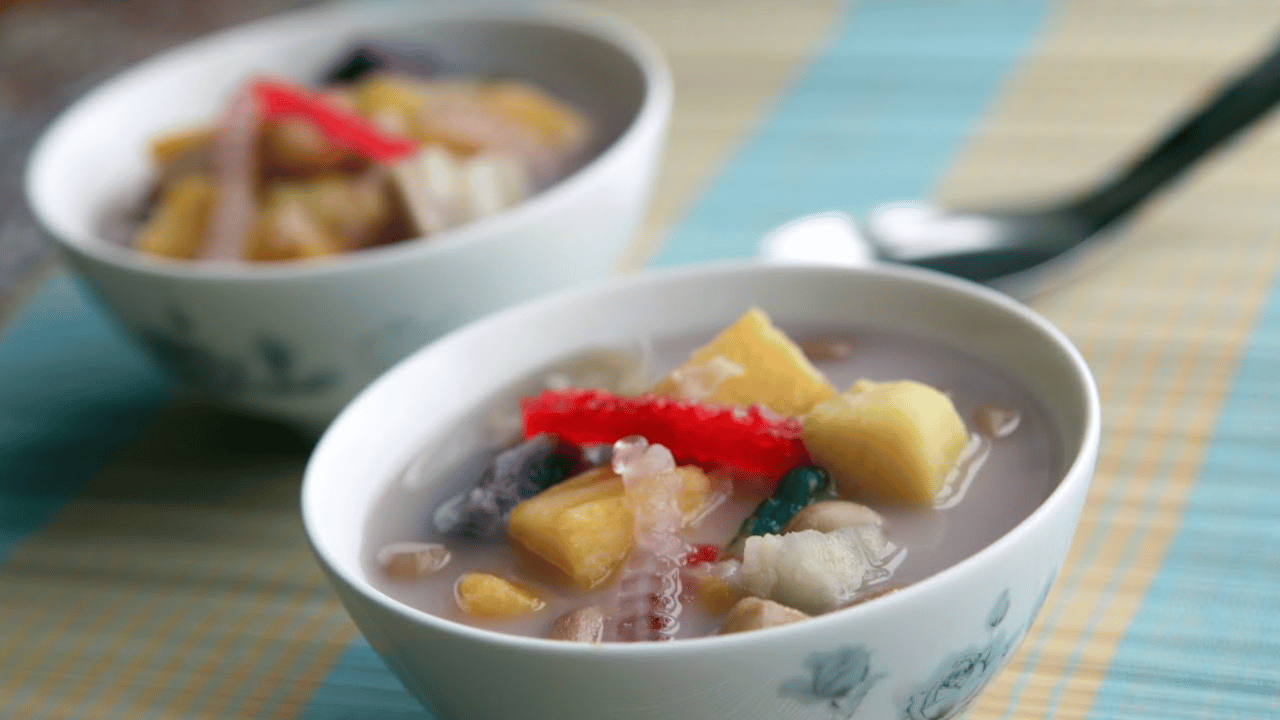
Vietnamese cuisine is celebrated worldwide for its balance, freshness, and vibrant flavors—but beyond its famous savory dishes lies an equally captivating world of desserts. At the heart of this sweet tradition is che dessert Vietnamese, commonly known as chè. These iconic sweet soups are more than just desserts; they are a reflection of Vietnam’s culture, climate, and culinary creativity.
Chè is not limited to one specific recipe. Instead, it represents a diverse category of desserts that can be creamy, refreshing, chewy, or even drinkable. Whether served hot or cold, simple or elaborate, chè offers a unique sensory experience that combines flavor, texture, and visual appeal in every spoonful.
Why Che Dessert Vietnamese Is So Popular
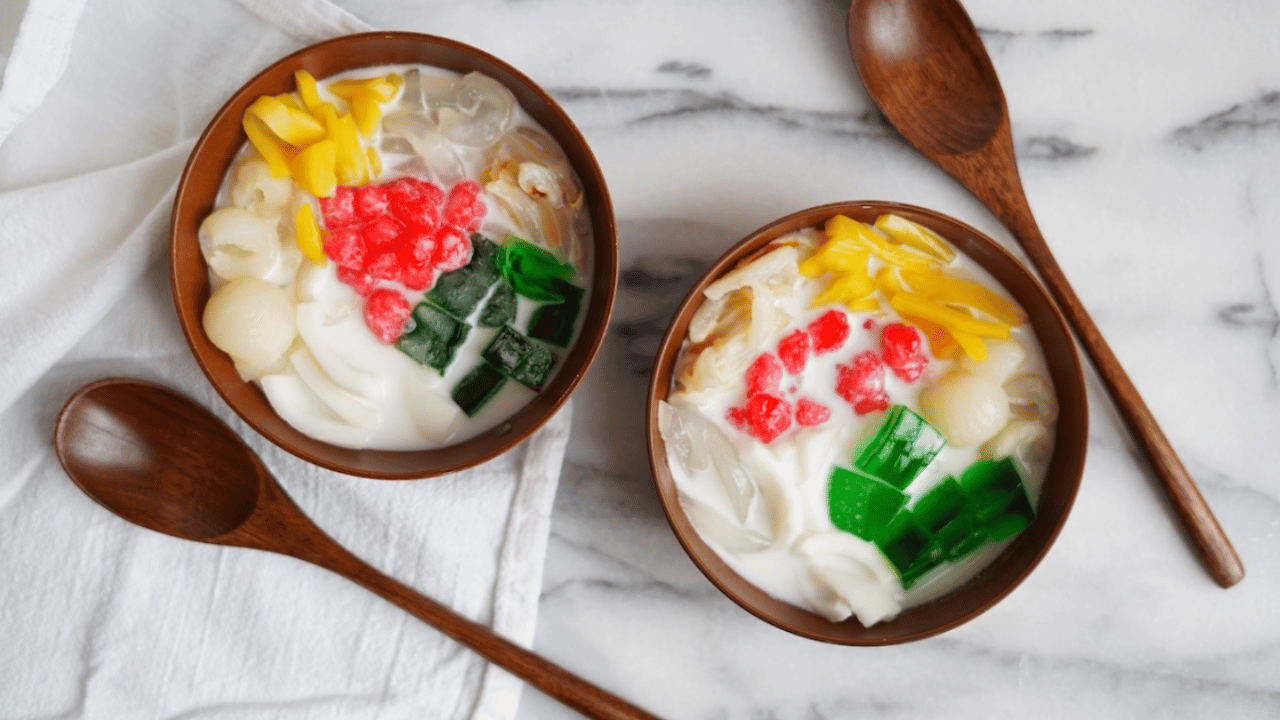
The widespread popularity of che dessert Vietnamese comes from its unique ability to combine tradition, flavor, and everyday enjoyment into one delightful experience. Loved by locals and travelers alike, chè stands out for its versatility, refreshing qualities, and cultural significance. From its wide variety of ingredients to its perfect fit for Vietnam’s climate, there are many reasons why this iconic dessert continues to capture hearts across generations.
Incredible Variety
One of the most remarkable aspects of che dessert Vietnamese is its incredible variety. There are dozens—if not hundreds—of chè variations, each showcasing different ingredients and preparation styles. Some are simple, consisting of just beans and syrup, while others are complex combinations of fruits, jellies, coconut milk, and chewy toppings.
This diversity means there is a chè for every preference. Whether you enjoy creamy desserts, fruity flavors, or something light and refreshing, there is always a version that suits your taste. This wide range also reflects the adaptability of Vietnamese cuisine, allowing chè to evolve with local ingredients and modern trends.
Perfect for Tropical Climates
Vietnam’s warm and humid climate plays a significant role in shaping its food culture, and chè is no exception. Many chè desserts are served cold with crushed ice, making them incredibly refreshing on hot days. The cooling effect of ice combined with sweet coconut milk and fresh fruits creates a dessert that not only satisfies sugar cravings but also helps beat the heat.
Even in cooler regions or seasons, warm chè varieties provide comfort, making this dessert versatile throughout the year.
Balance of Flavors and Textures
Unlike overly sweet desserts found in some cuisines, che dessert Vietnamese is known for its balance. Sweetness is often complemented by creamy coconut milk, mild beans, or fresh fruits, creating a harmonious flavor profile.
Texture is equally important. A single bowl of chè might include soft beans, chewy tapioca pearls, crunchy ice, and silky coconut cream. This contrast of textures makes every bite interesting and enjoyable, elevating chè beyond a simple dessert.
Affordable and Accessible
Another reason for chè’s popularity is its accessibility. In Vietnam, chè is widely available—from street vendors to local markets and modern dessert cafés. It is typically affordable, making it a daily treat rather than an occasional indulgence.
This accessibility has helped chè become deeply ingrained in everyday life, enjoyed by people of all ages and backgrounds.
Key Ingredients in Che Dessert Vietnamese
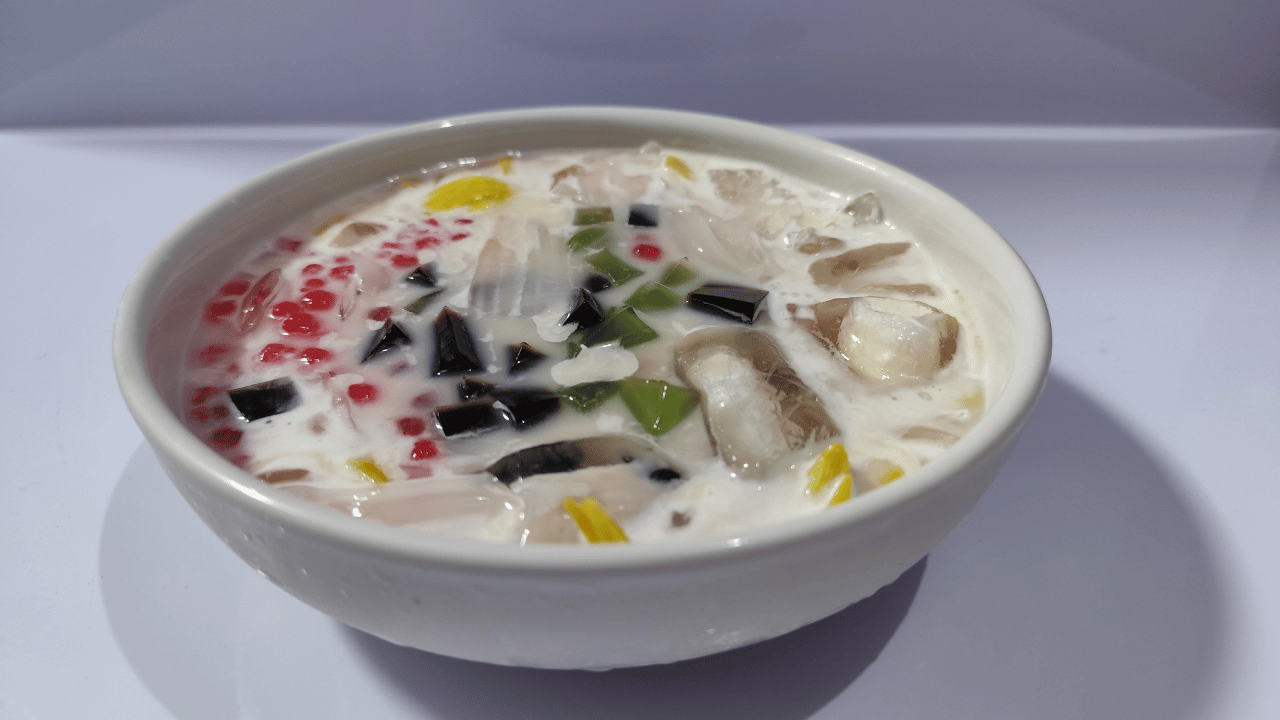
The magic of che dessert Vietnamese lies in its thoughtfully selected ingredients, each contributing to its signature balance of flavor, texture, and visual appeal. From creamy bases to chewy additions and refreshing fruits, every component plays an important role in creating the layered experience that makes chè so unique and enjoyable.
Coconut Milk
Coconut milk is one of the most essential ingredients in chè. It provides a rich, creamy base that enhances the overall flavor of the dessert. Its natural sweetness pairs beautifully with both beans and fruits, creating a smooth and satisfying finish.
Beans and Legumes
Beans are a defining component of many chè varieties. Mung beans, red beans, and black beans are commonly used, each offering a slightly different taste and texture. These ingredients not only add substance but also provide a subtle earthiness that balances the sweetness.
Tropical Fruits
Vietnam’s abundance of tropical fruits plays a key role in chè. Ingredients such as jackfruit, banana, lychee, and longan bring natural sweetness and freshness. These fruits also add vibrant colors, making chè visually appealing.
Tapioca and Starch-Based Additions
Chewy textures are a hallmark of chè, often achieved through tapioca pearls, glutinous rice balls, or water chestnuts coated in starch. These elements create a satisfying contrast to the softer components, adding depth to the overall experience.
Jellies
Jellies made from agar or flavored with pandan are frequently used in chè. They contribute both texture and visual appeal, often appearing in bright colors that enhance the dessert’s presentation.
6 Popular Types of Che Dessert Vietnamese

One of the best ways to understand the charm of che dessert Vietnamese is by exploring its most popular varieties. Each type of chè highlights different ingredients, textures, and regional influences, offering a unique experience in every bowl. From colorful layered desserts to warm, comforting sweet soups, these six varieties represent the diversity and creativity that define Vietnamese chè culture.
1. Che Ba Mau (Three-Color Dessert)
Chè ba màu is one of the most recognizable types of che dessert Vietnamese. It features three distinct layers—typically red beans, mung beans, and green pandan jelly—topped with coconut milk and crushed ice.
This dessert is not only delicious but also visually striking, with its vibrant layers symbolizing the creativity and artistry of Vietnamese cuisine.
2. Che Chuoi (Banana Sweet Soup)
Chè chuối is a comforting dessert made with ripe bananas cooked in coconut milk. Often enhanced with tapioca pearls or sago, it has a creamy and slightly thick consistency.
This dish can be served warm or cold, making it a versatile option that highlights the natural sweetness of bananas.
3. Che Thai (Vietnamese Fruit Cocktail)
Chè Thái is a modern favorite that combines a variety of tropical fruits with coconut milk, jellies, and crushed ice. Known for its colorful presentation and refreshing taste, it is often compared to a dessert drink.
This version of chè is particularly popular among younger generations and is widely available in dessert cafés.
4. Che Dau Den (Black Bean Dessert)
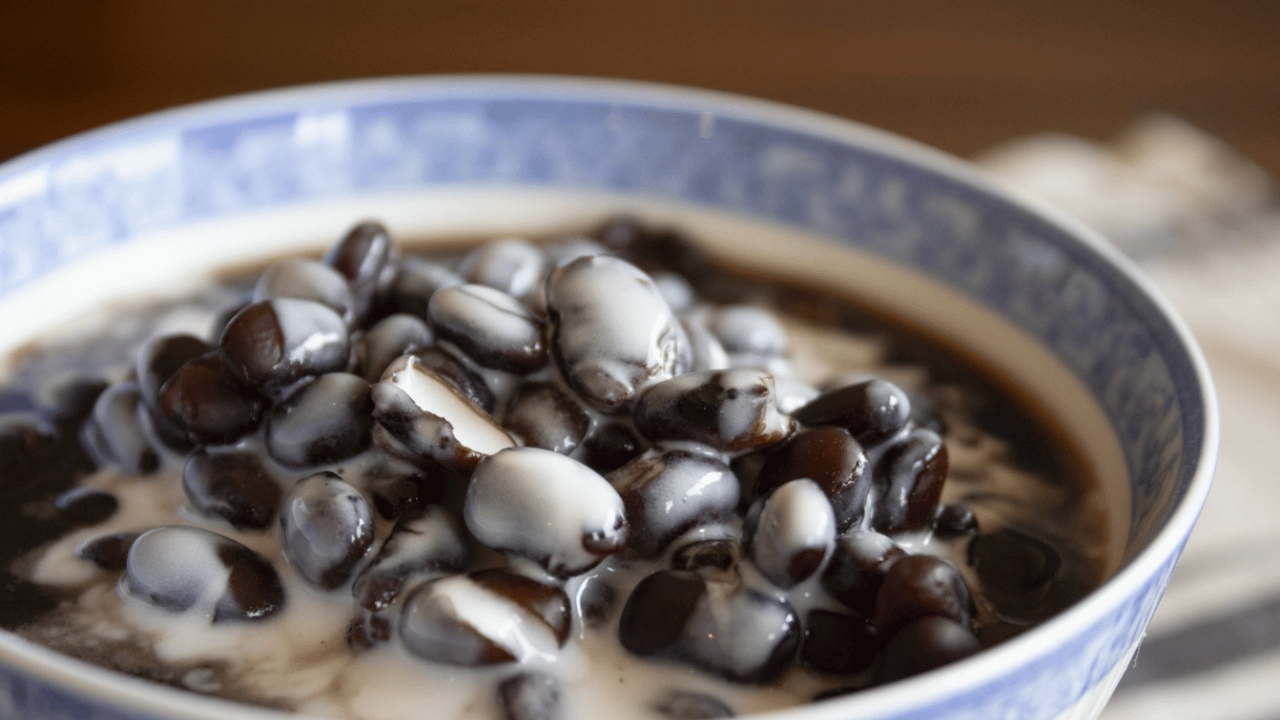
Chè đậu đen is a simpler yet satisfying dessert made from sweetened black beans. Served in a light syrup, it is often enjoyed cold and is appreciated for its subtle flavor and nutritional benefits.
5. Che Troi Nuoc (Glutinous Rice Balls)
This traditional dessert consists of glutinous rice balls filled with mung bean paste, served in a warm ginger syrup. It is commonly associated with special occasions and celebrations.
The chewy texture of the rice balls combined with the warmth of the ginger syrup creates a comforting and symbolic dish.
6. Che Bap (Sweet Corn Dessert)
Chè bắp is made from sweet corn and coconut milk, resulting in a creamy and naturally sweet dessert. Its smooth texture and mild flavor make it a popular choice for those who prefer less intense sweetness.
How Che Dessert Vietnamese Is Served
One of the unique aspects of che dessert Vietnamese is its versatility in serving styles. Whether enjoyed hot, cold, or as a drink, chè adapts effortlessly to different preferences, occasions, and even weather conditions. This flexibility is part of what makes chè such a beloved and widely enjoyed dessert across Vietnam.
Hot Serving Style
Some chè varieties are best enjoyed warm, especially those made with glutinous rice or ginger syrup. These versions are comforting and are often associated with traditional or festive occasions.
Cold with Ice
Cold chè is the most popular way to enjoy this dessert, particularly in southern Vietnam. Served with crushed ice, it provides a refreshing escape from the heat and enhances the overall flavor.
Drinkable Dessert Format
Certain types of chè are more liquid in consistency and can be consumed as drinks. These are often served in tall glasses with straws, blurring the line between dessert and beverage.
Regional Variations of Che in Vietnam
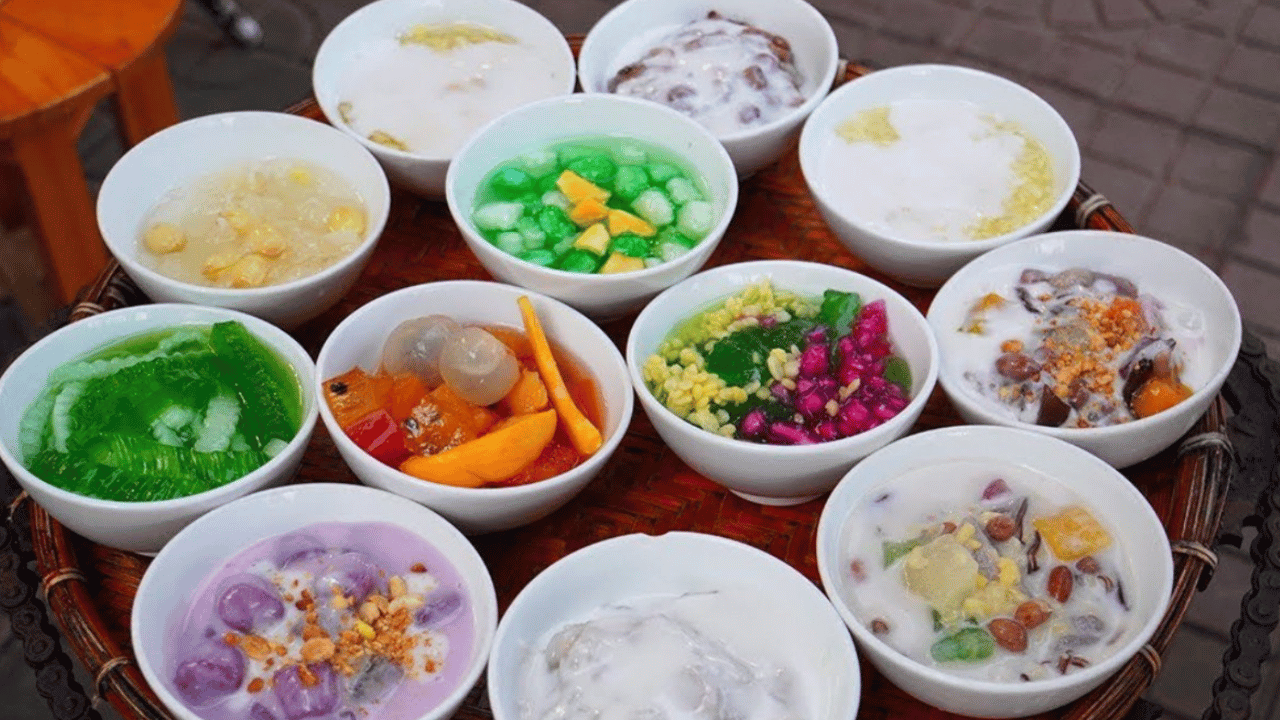
The diversity of che dessert Vietnamese is deeply influenced by regional culinary traditions across the country. Each region brings its own unique ingredients, flavor preferences, and preparation styles, resulting in distinct variations of chè that reflect local culture and taste.
Northern Vietnam Style
In northern Vietnam, chè tends to be simpler and less sweet. The focus is often on traditional ingredients like beans and rice, with minimal use of coconut milk. The flavors are subtle and balanced.
Central Vietnam Style
Central Vietnam is known for its diverse and elaborate chè varieties. Desserts from this region often feature bold flavors and unique ingredients, reflecting the area’s rich culinary heritage.
Southern Vietnam Style
Southern chè is typically sweeter and richer, with a strong emphasis on coconut milk. Bright colors, layered presentations, and the use of ice are common, making these desserts especially refreshing.
Modern Innovations in Che Dessert Vietnamese
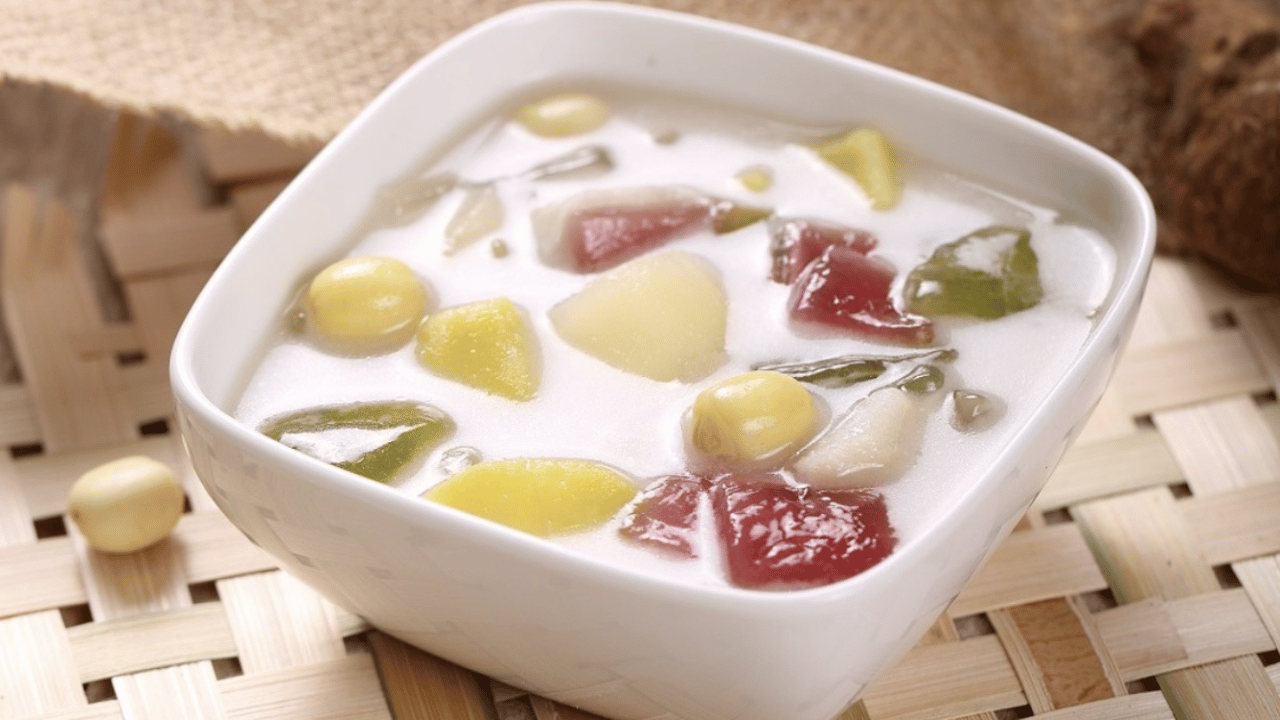
While deeply rooted in tradition, che dessert Vietnamese continues to evolve with modern culinary trends. Today, chefs and dessert enthusiasts are reimagining chè with creative twists, blending global influences, refined presentation, and healthier approaches—bringing this classic dessert into a new era without losing its cultural identity.
Fusion Che Creations
Modern chefs are experimenting with chè by incorporating international flavors such as matcha, chocolate, and even coffee. These fusion creations appeal to a global audience while maintaining the essence of traditional chè.
Café-Style Presentation
Chè has found its place in contemporary dessert cafés, where presentation is elevated to an art form. Glass jars, layered displays, and creative toppings make chè more visually appealing than ever.
Health-Conscious Variations
With increasing awareness of health and nutrition, some chè recipes now use less sugar or alternative sweeteners. Plant-based and vegan-friendly versions are also becoming more popular, making chè accessible to a wider audience.
Tips for Enjoying Che Dessert Vietnamese
To fully appreciate the experience of che dessert Vietnamese, it helps to enjoy it the way locals do. From how you mix the ingredients to exploring different varieties, a few simple tips can enhance both the flavor and overall enjoyment of this unique and versatile dessert.
Mixing for Best Flavor
Before eating, it is often recommended to mix the ingredients thoroughly. This ensures that the flavors and textures are evenly distributed, creating a more balanced experience.
Trying Different Variations
With so many types of chè available, trying multiple variations is the best way to appreciate its diversity. Each version offers a unique combination of ingredients and flavors.
Pairing with Meals
Chè is best enjoyed as a light dessert after a meal. Its refreshing qualities make it an ideal way to cleanse the palate without feeling overly heavy.
Why Che Dessert Vietnamese Is a Must-Try Culinary Experience
Che dessert Vietnamese is more than just a sweet treat—it is a culinary journey that reflects the heart and soul of Vietnam. Its diversity, balance, and creativity make it stand out among desserts from around the world.
From simple bean-based soups to vibrant fruit-filled creations like chè Thái, chè offers something for everyone. It combines tradition with innovation, comfort with refreshment, and simplicity with complexity.
Whether you are discovering Vietnamese cuisine for the first time or exploring it more deeply, chè is an essential experience. Each bowl tells a story—of culture, climate, and culinary artistry—making it one of the most unique and memorable desserts you can enjoy.
FAQ About Che Dessert Vietnamese
-
Che dessert Vietnamese is typically made from a combination of ingredients such as coconut milk, beans, tropical fruits, jellies, and tapioca pearls. These ingredients are mixed or layered to create a dessert that is rich in both flavor and texture.
-
Chè can be served both hot and cold, depending on the type. Many popular versions are served cold with crushed ice, while others, especially those with glutinous rice or ginger syrup, are enjoyed warm.
-
Chè is generally moderately sweet compared to Western desserts. Its sweetness is balanced with creamy coconut milk, fresh fruits, and mild ingredients like beans to create a harmonious flavor.
-
Many chè varieties include natural ingredients like beans and fruits, which provide nutrients and fiber. However, some versions contain added sugar and coconut milk, so it can be enjoyed as part of a balanced diet.
-
One of the most popular types is chè ba màu (three-color dessert), known for its vibrant layers of beans, jelly, and coconut milk. Chè Thái is also widely loved for its refreshing mix of fruits and creamy texture.
