
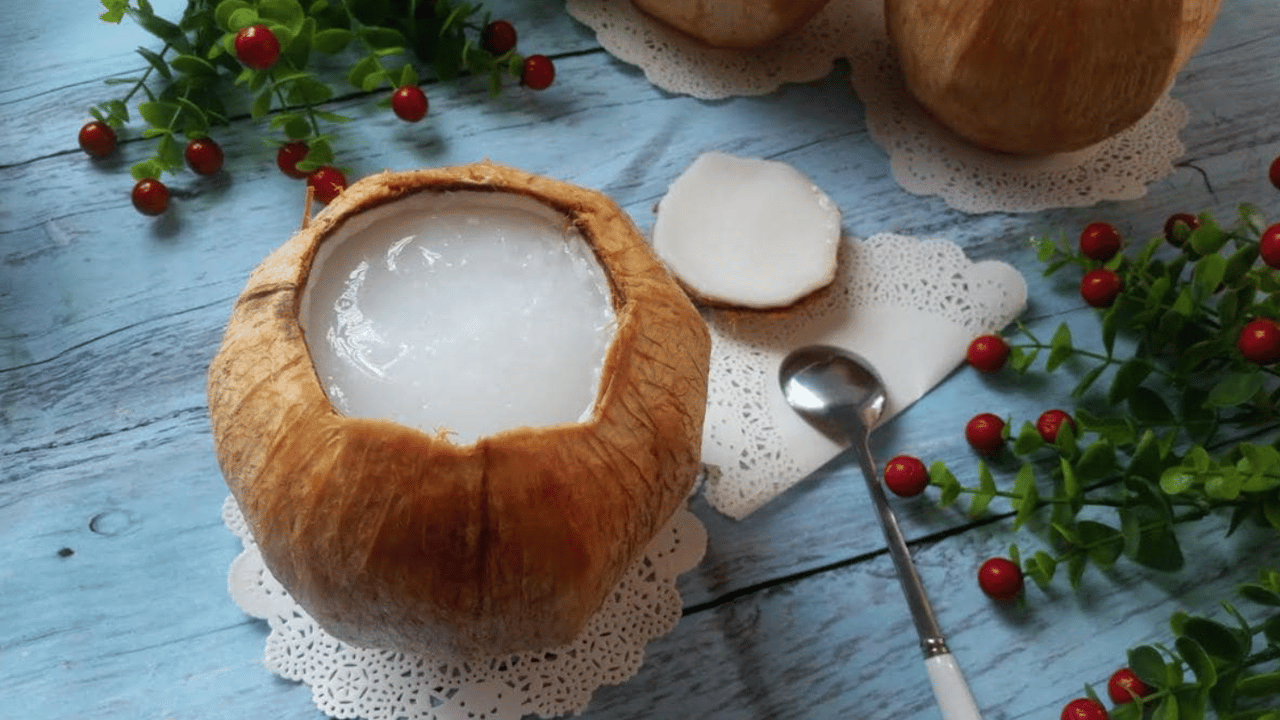
Coconut jelly Vietnamese, often known locally as thạch dừa or rau câu dừa, is one of Vietnam’s most refreshing and visually appealing desserts. Made primarily from coconut water, coconut milk, and a gelling agent like agar-agar, this Vietnamese dessert captures the essence of tropical indulgence—light, subtly sweet, and incredibly cooling. Whether served in its original coconut shell or cut into delicate cubes, coconut jelly has become a staple in both traditional and modern Vietnamese cuisine.
In this comprehensive guide, we will explore the origins, ingredients, cultural significance, and evolving role of coconut jelly Vietnamese in today’s food scene. From bustling street vendors to trendy cafés, this dessert continues to win hearts across generations and borders.
The Origins of Coconut Jelly Vietnamese
Coconut jelly Vietnamese has its roots deeply embedded in the southern regions of Vietnam, particularly in areas abundant with coconut plantations such as Ben Tre Province. Known as the “coconut capital” of Vietnam, this region produces some of the freshest and most flavorful coconuts, making it the perfect birthplace for this dessert.
Historically, coconut-based desserts have always been an essential part of Vietnamese cuisine. With the country’s tropical climate, locals have long sought cooling and hydrating foods. Coconut water, naturally sweet and rich in minerals, became a key ingredient in many traditional treats. Over time, combining coconut water with agar-agar—a plant-based gelatin substitute—led to the creation of coconut jelly.
Originally, coconut jelly was a simple, homemade dessert enjoyed during family gatherings or special occasions. It was often prepared in whole coconuts, allowing the jelly to set inside the shell, which added both flavor and aesthetic appeal. As Vietnamese cuisine evolved, so did coconut jelly, incorporating new flavors and techniques while maintaining its traditional essence.
Coconut Jelly Vietnamese in Modern Cuisine
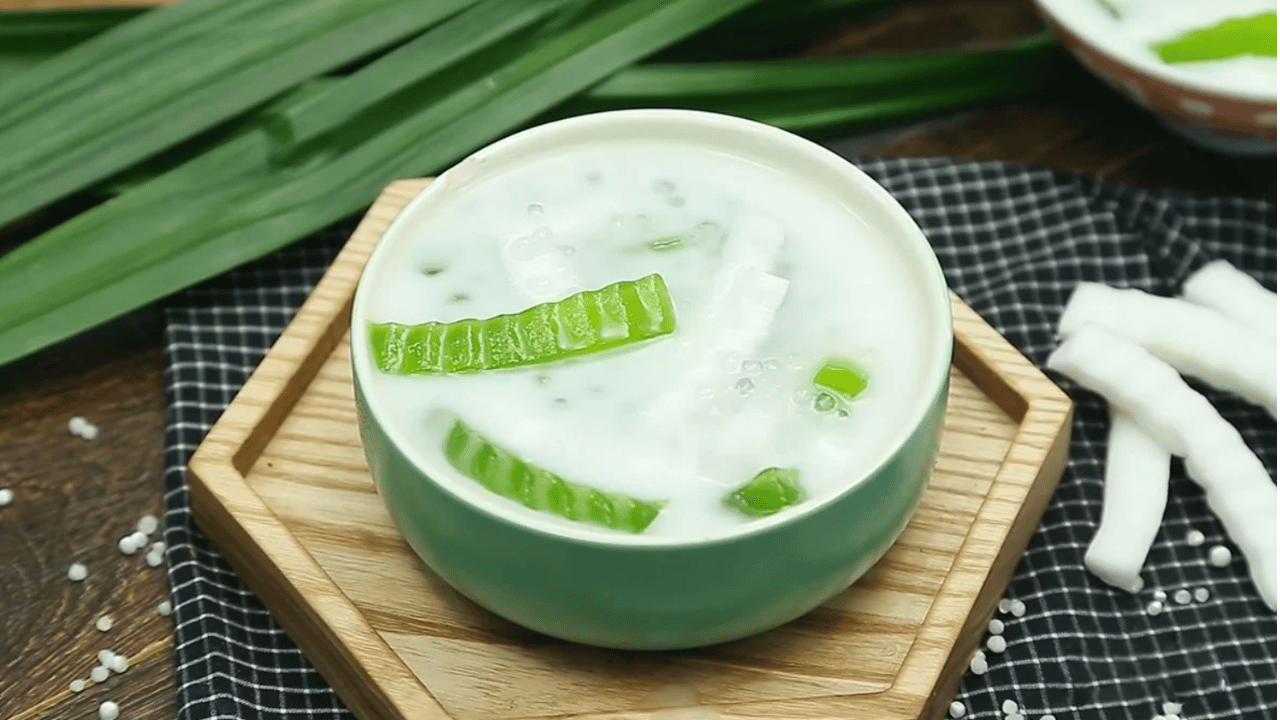
Today, coconut jelly Vietnamese has transcended its humble beginnings and become a versatile dessert featured in modern culinary innovations. It is no longer limited to traditional preparation methods but has found its way into contemporary food trends.
Fusion Desserts and Café Trends
In modern Vietnamese cafés, coconut jelly is often reimagined as part of fusion desserts. Chefs experiment with layering techniques, combining coconut jelly with ingredients like matcha, chocolate, or tropical fruits. These visually stunning creations are designed to appeal to younger audiences and social media enthusiasts.
Layered coconut jelly desserts, especially those infused with pandan or coffee, are popular for their contrasting colors and flavors. Some cafés even serve coconut jelly parfaits, combining jelly cubes with whipped cream, fresh fruit, and syrups to create a multi-textured experience.
Use in Bubble Tea and Milk Tea
Another exciting development is the use of coconut jelly in beverages such as bubble tea and milk tea. Instead of traditional tapioca pearls, many drinks now feature coconut jelly cubes as a topping. These cubes add a refreshing bite and a subtle coconut flavor that complements the sweetness of the drink.
Coconut jelly is particularly popular in fruit teas and tropical-flavored milk teas, where its light texture enhances the overall drinking experience. Its plant-based nature also makes it an appealing alternative for those seeking vegan-friendly options.
Main Ingredients Used in Coconut Jelly Vietnamese
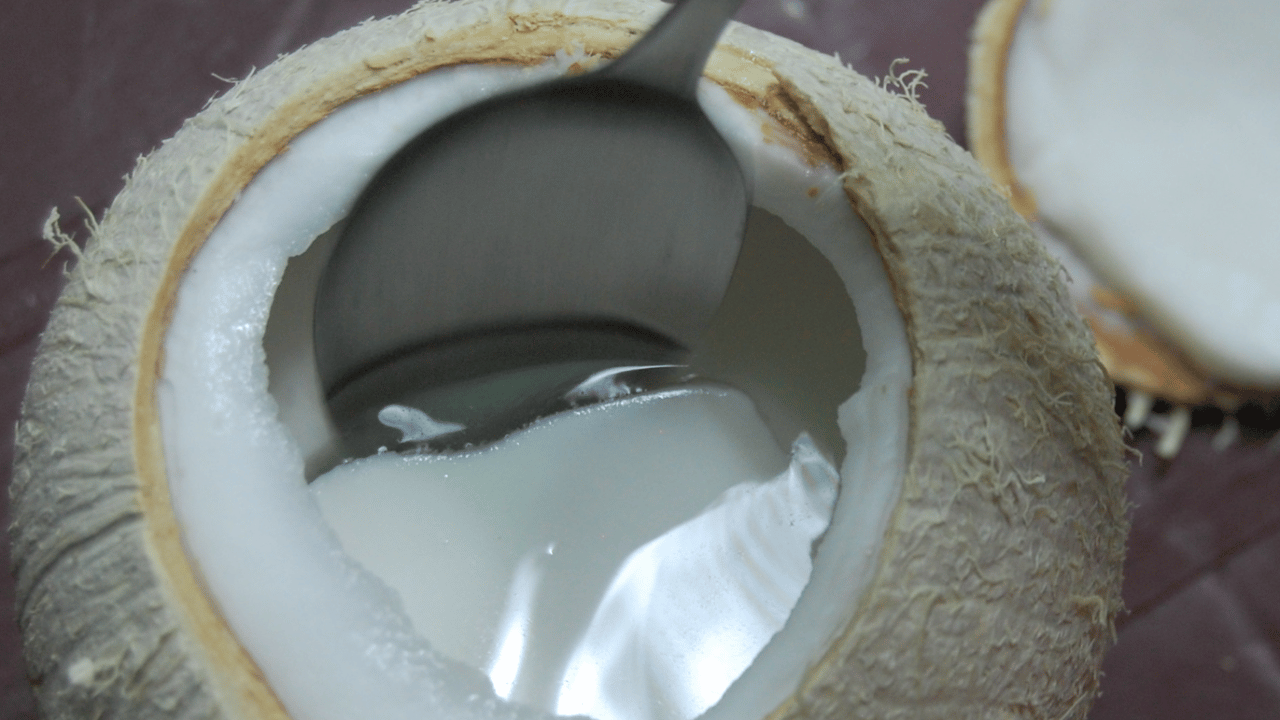
The beauty of coconut jelly Vietnamese lies in its simplicity. With just a few natural ingredients, it achieves a delicate balance of flavor and texture.
Fresh Coconut Water and Coconut Milk
Fresh coconut water is the foundation of this dessert. It provides a natural sweetness and a subtle, refreshing taste that defines coconut jelly. Coconut milk, on the other hand, adds richness and creaminess, especially in layered versions where it forms a contrasting opaque layer.
Using fresh, high-quality coconut water is crucial, as it directly affects the flavor. In traditional recipes, the jelly is often set inside the coconut itself, allowing the natural aroma to infuse the dessert.
Agar-Agar or Jelly Powder
Agar-agar is a plant-based gelling agent derived from seaweed. It is widely used in Asian desserts and is responsible for the firm yet slightly bouncy texture of coconut jelly. Unlike gelatin, agar sets at room temperature and creates a cleaner, more structured finish.
The ratio of agar to liquid is essential. Too much agar results in a hard, brittle texture, while too little may prevent the jelly from setting properly.
Sugar and Natural Flavorings
Sugar is added to enhance the natural sweetness of coconut water. However, coconut jelly Vietnamese is typically less sweet than many Western desserts, making it a lighter option.
Natural flavorings such as pandan leaves, coffee, or fruit extracts are often incorporated to create variations. Pandan, in particular, is a popular choice, adding a fragrant, slightly grassy aroma that pairs beautifully with coconut.
Why Coconut Jelly Vietnamese Is So Loved
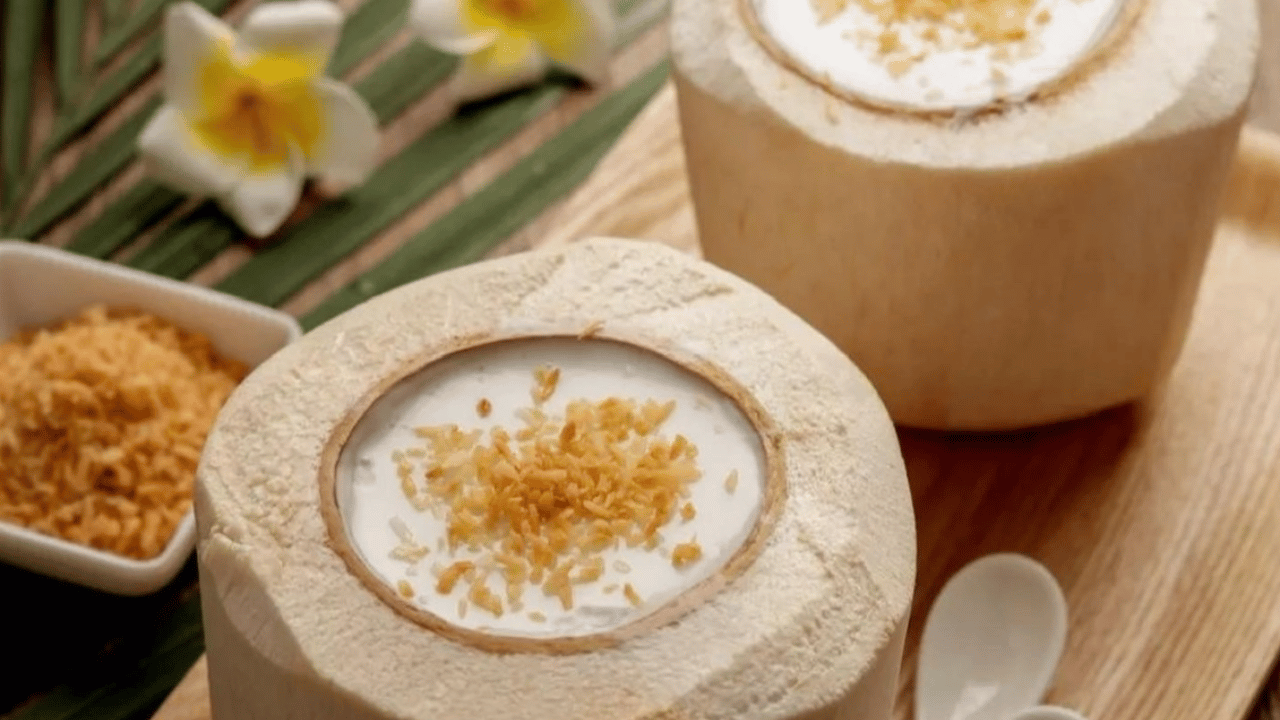
Coconut jelly Vietnamese has gained widespread popularity not just in Vietnam but also internationally. Its appeal lies in its ability to deliver flavor, texture, and refreshment in a single dish.
Refreshing Dessert for Tropical Climates
Vietnam’s hot and humid climate makes refreshing desserts a necessity rather than a luxury. Coconut jelly provides a cooling effect, especially when served chilled. Its high water content helps hydrate the body, making it a perfect treat on a hot day.
Natural Ingredients and Light Sweetness
Unlike heavily processed desserts, coconut jelly is made from natural ingredients. This simplicity appeals to health-conscious consumers who prefer minimally processed foods. Its light sweetness ensures that it does not feel overly indulgent, making it suitable for regular consumption.
Unique Jelly Texture from Coconut Water
One of the defining features of coconut jelly Vietnamese is its texture. Thanks to agar-agar, the jelly has a firm yet tender consistency that is distinct from gelatin-based desserts. It holds its shape well but melts gently in the mouth, creating a satisfying eating experience.
Differences Between Coconut Jelly and Other Asian Jellies
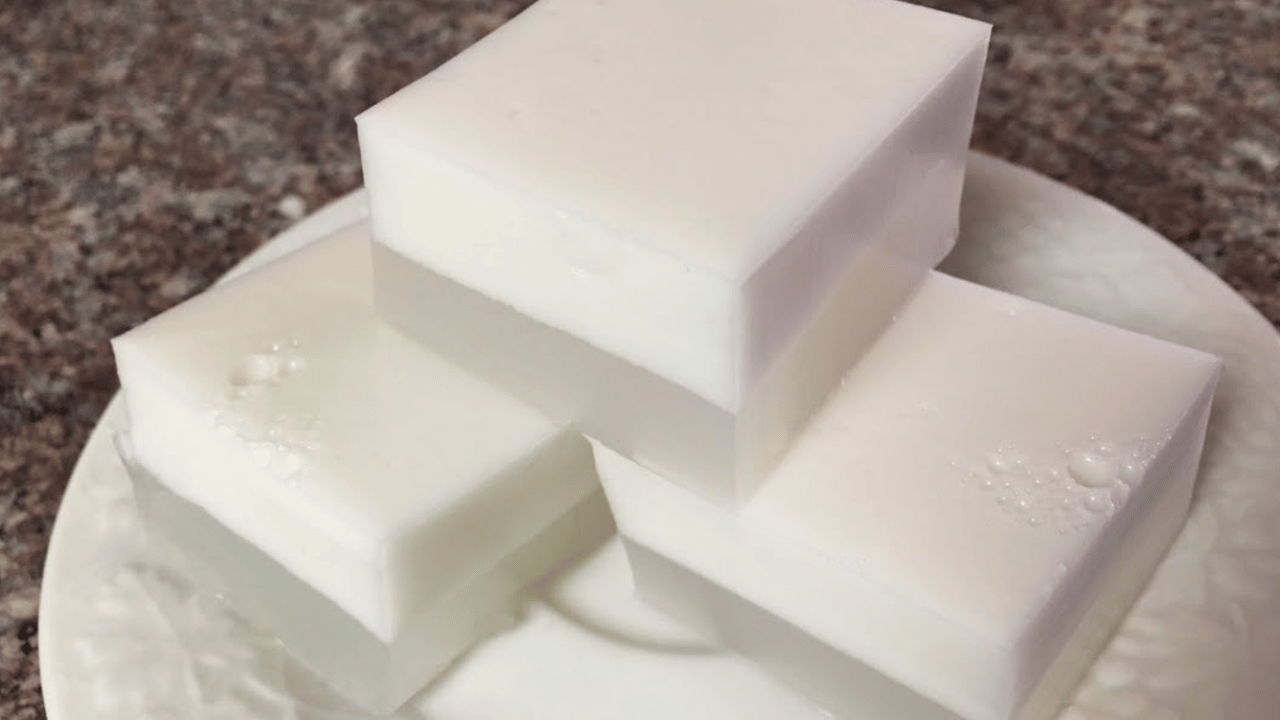
While coconut jelly shares similarities with other Asian desserts, it stands out in several key ways.
Comparison with Grass Jelly and Agar Jelly
Grass jelly, another popular Asian dessert, is made from a plant called Mesona chinensis and has a slightly bitter taste. It is usually served with sweet syrup or condensed milk. In contrast, coconut jelly is naturally sweet and does not require heavy toppings.
Agar jelly, on the other hand, is a broader category that includes various flavors and colors. Coconut jelly is a specific type of agar jelly that uses coconut water as its base, giving it a unique tropical identity.
Texture Differences vs Gelatin Desserts
Gelatin-based desserts, commonly found in Western cuisine, tend to have a softer and more elastic texture. Coconut jelly, made with agar, is firmer and more structured. This difference in texture makes coconut jelly easier to cut into shapes and use in layered desserts.
Additionally, agar-based jelly does not melt as easily at room temperature, making it more suitable for warm climates.
Flavor Profile Compared to Western Desserts
Western desserts often emphasize richness and sweetness, using ingredients like cream, butter, and sugar. Coconut jelly Vietnamese, in contrast, focuses on lightness and natural flavors. Its subtle sweetness and refreshing taste make it a healthier and more balanced option.
Coconut Jelly Vietnamese as a Street Food Favorite
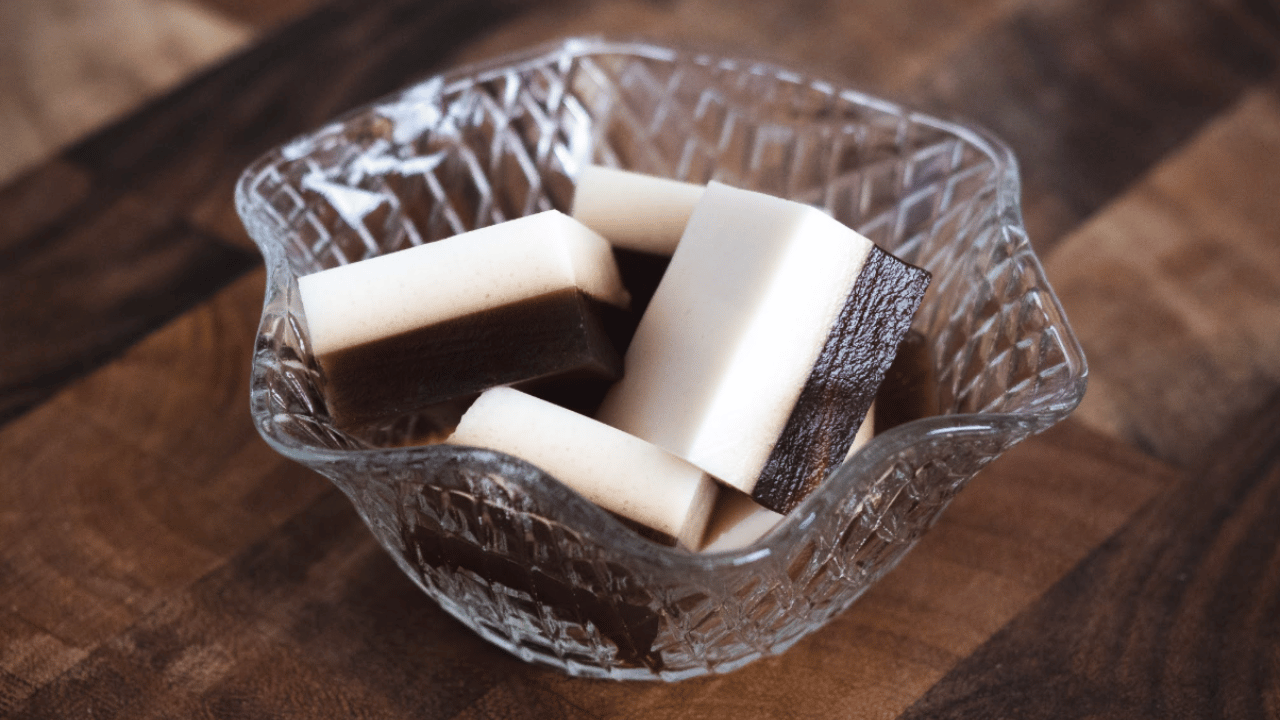
Coconut jelly Vietnamese is a common sight in street markets and local food stalls across Vietnam. Vendors often sell it in its most traditional form—served directly inside a young coconut. This presentation not only enhances the flavor but also creates an authentic and memorable experience for customers.
Street vendors typically prepare coconut jelly early in the day, allowing it to set naturally. Once ready, the coconuts are chilled and served to customers looking for a quick, refreshing treat. Some vendors also cut the jelly into cubes and serve it in plastic cups with crushed ice or syrup.
The affordability and accessibility of coconut jelly make it a favorite among locals and tourists alike. It is a perfect example of how simple ingredients can be transformed into a delightful culinary experience.
When to Enjoy Coconut Jelly Vietnamese
Coconut jelly Vietnamese is a versatile dessert that can be enjoyed at various times and occasions.
It is most commonly consumed during the hot summer months when its cooling properties are most appreciated. Whether as an afternoon snack or a dessert after a meal, coconut jelly provides a refreshing break from the heat.
In Vietnamese culture, coconut jelly is also popular during family gatherings and celebrations. Its light and clean taste makes it an ideal dessert to serve after a hearty meal, as it helps cleanse the palate without feeling heavy.
For travelers, trying coconut jelly is an essential part of exploring Vietnamese cuisine. It offers a taste of the country’s tropical flavors and culinary traditions in a simple yet satisfying form.
Coconut jelly Vietnamese is more than just a dessert—it is a reflection of Vietnam’s climate, culture, and culinary creativity. From its origins in coconut-rich regions to its modern adaptations in cafés and beverages, this humble treat continues to evolve while staying true to its roots.
With its natural ingredients, refreshing taste, and unique texture, coconut jelly Vietnamese stands out as a must-try dessert for anyone seeking a light and authentic culinary experience.
FAQs About Coconut Jelly Vietnamese
-
Coconut jelly Vietnamese is typically made from fresh coconut water, coconut milk, agar-agar (or jelly powder), sugar, and sometimes natural flavorings like pandan or coffee. These simple ingredients create a light, refreshing dessert with a smooth texture.
-
Yes, it is considered a relatively healthy dessert. It uses natural ingredients, is low in fat, and often contains less sugar compared to many Western desserts. Additionally, coconut water provides hydration and essential minerals.
-
It has a mild, slightly sweet coconut flavor with a refreshing and clean taste. The texture is firm yet tender, making it light and enjoyable, especially when served chilled.
-
Coconut jelly Vietnamese is usually made with agar-agar and has a smooth, soft texture, while nata de coco is a fermented product with a firmer, chewy, and slightly fibrous consistency.
-
Yes, it is easy to make at home using basic ingredients. The process involves heating coconut water with agar-agar and sugar, then allowing it to set into a jelly. You can also create layered versions using coconut milk.
