
Is Vietnamese Food Healthy? The Complete Nutritional Guide
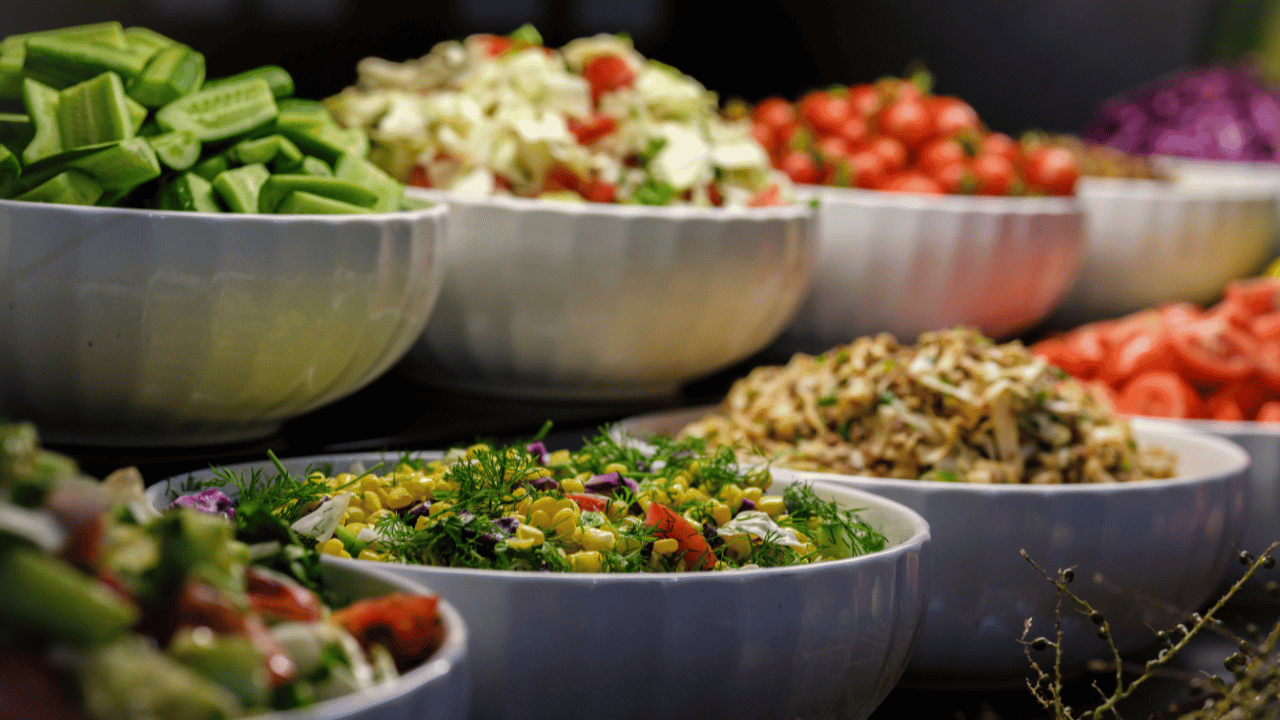
Vietnamese cuisine ranks among the world's healthiest culinary traditions, and there's solid nutritional science behind this reputation. The foundation of Vietnamese cooking relies on fresh herbs and vegetables, lean proteins like fish and chicken, and minimal use of oil compared to many other Asian cuisines. Rice noodles replace heavy starches, while aromatic herbs such as cilantro, mint, and Thai basil pack dishes with antioxidants and flavor without added calories.
However, not every Vietnamese dish delivers the same nutritional benefits. Restaurant preparations often contain higher sodium levels than home-cooked versions, and certain popular items like crispy spring rolls or sweet-glazed meats can tip the scales toward less healthy territory. The key lies in understanding which elements make Vietnamese food genuinely nutritious and learning to navigate menus with intention.
Traditional Vietnamese cooking emphasizes balance: the interplay of fresh, pickled, and cooked vegetables creates meals rich in fiber and vitamins, while cooking methods like steaming, grilling, and quick stir-frying preserve nutrients better than deep-frying.
Why Vietnamese Food Is Considered Healthy: The Core Principles

Vietnamese cuisine builds its reputation for healthiness on three fundamental cooking philosophies that distinguish it from many other culinary traditions.
Low Oil and Fat Content
Vietnamese cooking methods prioritize steaming, grilling, and boiling over heavy frying techniques. Where other Asian cuisines might use half a cup of coconut milk in curries, Vietnamese stir-fries typically require only 2–3 tablespoons of oil. Pho exemplifies this philosophy: the clear, aromatic broth develops its depth through slow simmering bones and spices, not added fats.
Fresh Herbs and Vegetables as Centerpieces
Fresh herbs like mint, cilantro, Thai basil, and lemongrass aren't mere garnishes but essential components that provide antioxidants and anti-inflammatory compounds. Raw vegetable accompaniments such as lettuce cups, cucumber slices, and bean sprouts add fiber and nutrients while creating textural contrast.
Balanced Macronutrient Approach
Vietnamese meals naturally combine lean proteins, complex carbohydrates from rice or noodles, and healthy fats from nuts or minimal cooking oil. This balance occurs organically through traditional recipes rather than calculated nutritional planning.
Nutritional Benefits of Eating Vietnamese Food Regularly
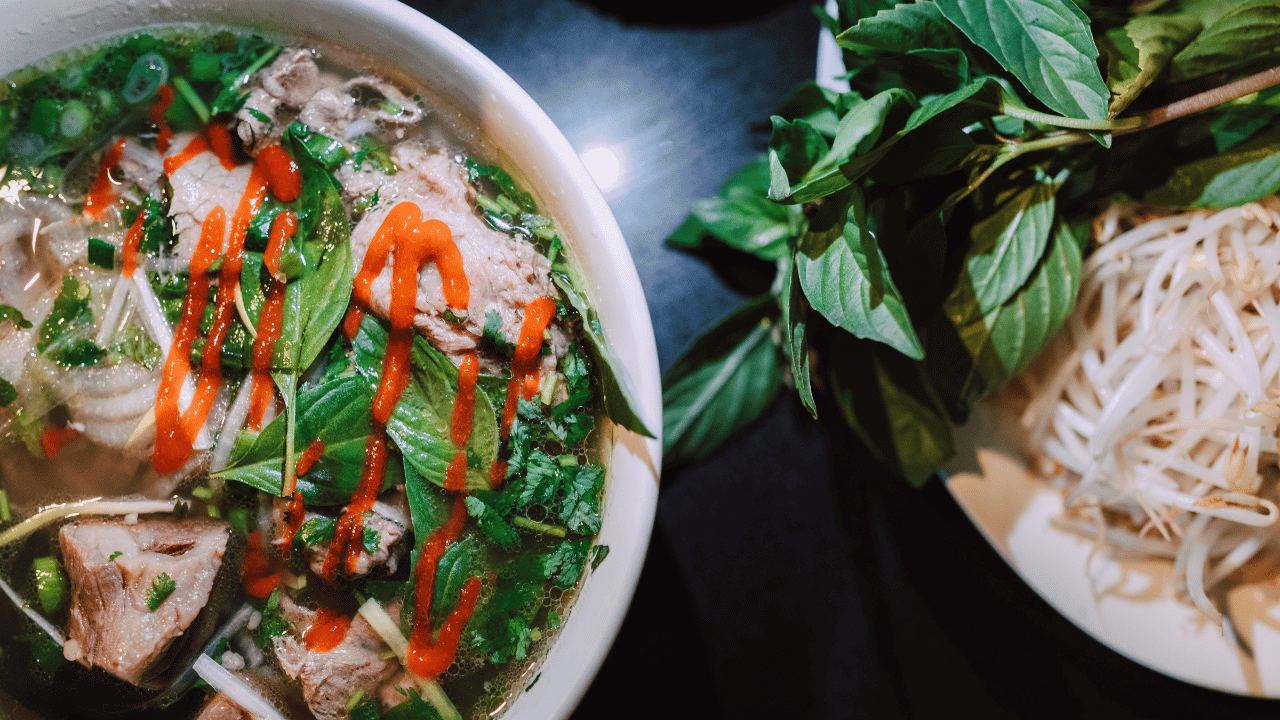
Vietnamese cuisine delivers measurable health advantages through its unique combination of nutrient-dense ingredients and cooking methods.
Heart Health and Cholesterol Management
Vietnamese dishes excel at cardiovascular support through lean proteins like fish, chicken, and tofu paired with minimal saturated fat. The abundant use of fish in dishes like pho ca provides omega-3 fatty acids that help reduce inflammation and support healthy cholesterol levels.
Digestive Support and Gut Health
The high vegetable content and rice noodles in Vietnamese dishes provide substantial fiber that promotes healthy digestion. Fresh herbs like mint, cilantro, and Thai basil contain natural compounds that aid digestion and reduce bloating. Rice noodles offer gentler fiber than wheat products, making Vietnamese food accessible for those with sensitive digestive systems.
Weight Management and Satiety
Vietnamese meals create lasting fullness through balanced protein and fiber without excess calories. Dishes like pho deliver satisfying portions while maintaining reasonable caloric density, helping prevent overeating while supporting sustained energy levels.
The 10 Healthiest Vietnamese Dishes
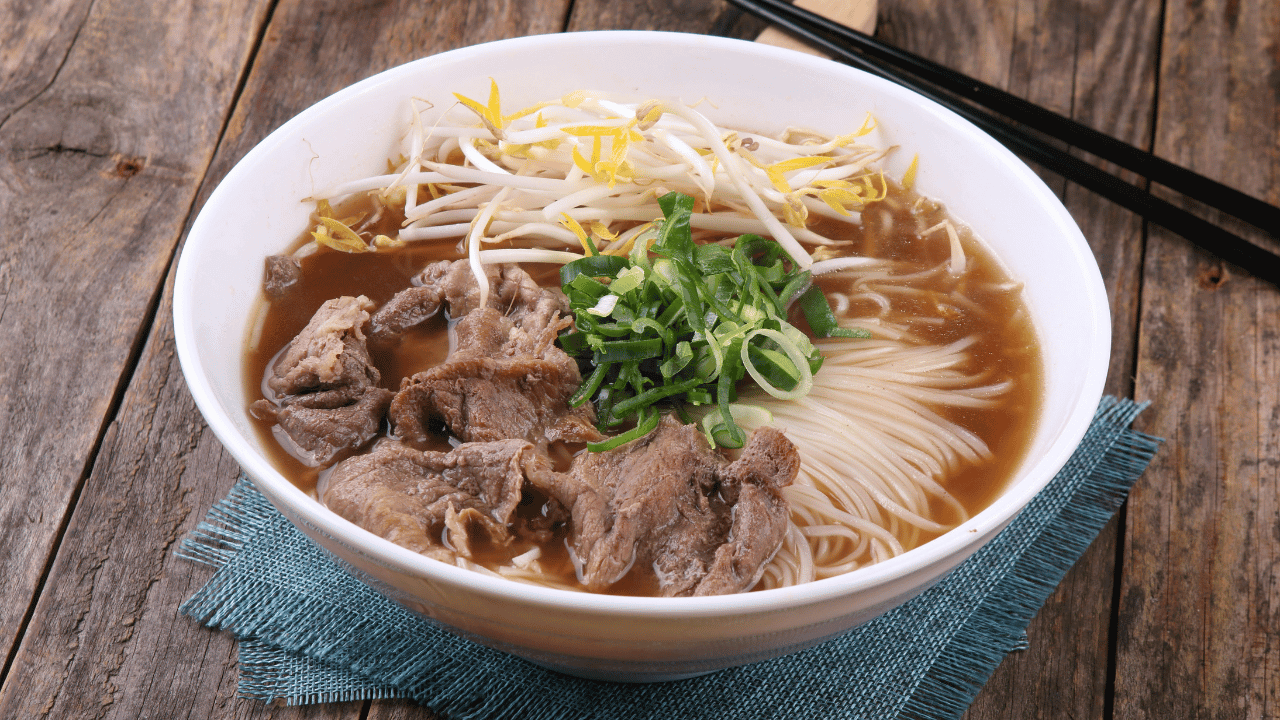
Vietnamese cuisine offers numerous nutrient-dense options, but some dishes stand out for their exceptional health benefits. Here are the top choices, ranked by calorie density, protein content, fiber, and overall nutritional value.
1. Pho (Beef or Chicken Broth)
Clear broth pho earns the top spot with 300–400 calories per bowl, delivering 25g protein and warming spices with anti-inflammatory properties. The bone broth provides collagen and minerals, while rice noodles offer sustained energy.
2. Fresh Spring Rolls (Goi Cuon)
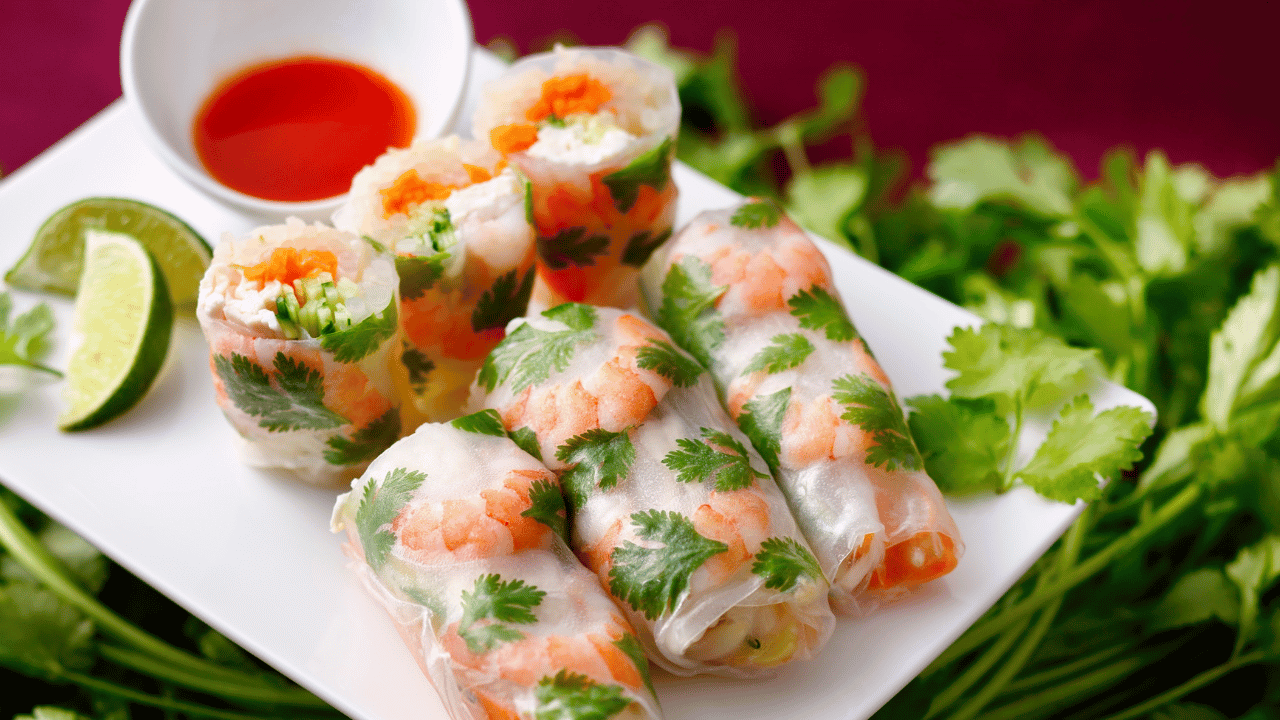
Fresh spring rolls contain just 150–200 calories compared to 300+ for fried versions. Packed with crisp vegetables, herbs, and lean protein, they provide 12g protein and 4g fiber per two-roll serving.
3. Grilled Chicken or Fish with Herbs
These protein-forward dishes deliver 30g lean protein with minimal added fat (only 250 calories per serving). Fresh herbs like cilantro, mint, and basil provide antioxidants while keeping sodium naturally low.
4. Canh (Clear Vegetable Soup)
This underrated option contains just 80–120 calories while providing 6g fiber from vegetables like bok choy, tomatoes, and herbs. The clear broth base makes it an excellent starter or light meal option.
5. Bun Bowls (Vermicelli with Grilled Protein)
Rice vermicelli bowls topped with grilled meats and fresh vegetables offer 350–450 calories, 28g protein, and 5g fiber. The combination of lean protein, herbs, and pickled vegetables creates excellent nutritional balance.
6. Vietnamese Chicken Salad (Goi Ga)
Shredded chicken mixed with cabbage, herbs, and light dressing provides 200–250 calories, 22g protein, and substantial vitamin C from fresh vegetables.
7. Steamed Fish with Ginger and Scallions
This simple preparation delivers 220 calories, 35g protein, and heart-healthy omega-3 fatty acids. Steaming preserves nutrients while ginger adds anti-inflammatory compounds.
8. Vietnamese Beef Stew (Bo Kho)
A hearty option at 400–500 calories per bowl, providing 30g protein and 8g fiber from vegetables like carrots and onions.
9. Grilled Pork Banh Mi (Modified)
When ordered with extra vegetables and light mayo, banh mi provides 350–400 calories, 20g protein, and 4g fiber. Choose whole grain bread when available for additional nutrients.
10. Vietnamese Chicken Curry (Ca Ri Ga)
The lightest curry option at 300–350 calories per serving, featuring 25g protein from chicken and vegetables. Contains coconut milk but in smaller quantities than Thai curries.
Vietnamese Food for Specific Dietary Needs
Vietnamese cuisine naturally accommodates diverse dietary requirements without sacrificing flavor or authenticity.
Vegetarian and Vegan Options
Plant-based diners have abundant choices. Vegetable pho features rich broths made from mushrooms, onions, and spices, topped with tofu, bok choy, and bean sprouts. Fresh spring rolls showcase crisp vegetables, herbs, and marinated tofu. Always verify that broths use vegetable stock rather than chicken or beef base.
Gluten-Free Vietnamese Meals
Rice noodles form the foundation of many Vietnamese dishes, making them naturally gluten-free. Pho, bun bowls, and fresh spring rolls use rice vermicelli instead of wheat noodles. However, check condiment labels carefully, as some fish sauces may contain gluten.
Low-Sodium and Heart-Healthy Choices
Focus on broth-based soups where you control added condiments, fresh spring rolls without dipping sauces, and grilled proteins with herb accompaniments. Request minimal fish sauce and choose fresh lime juice over processed sauces for seasoning.
The Vietnamese Food Philosophy: Balance Over Restriction
Vietnamese cuisine operates on a fundamentally different principle than Western diet culture. Rather than eliminating entire food groups, Vietnamese food philosophy centers on harmony and moderation across all aspects of a meal.
Traditional Vietnamese dining features multiple small dishes shared among family and friends, creating natural portion control while maximizing nutritional variety. A typical meal might include protein-rich soup like pho, fresh spring rolls packed with herbs, grilled lean meats, and steamed vegetables.
The cultural emphasis on eating as a social, mindful practice also promotes better digestion and satisfaction. Meals are meant to be savored slowly, allowing your body time to register fullness signals.
Potential Health Concerns and How to Navigate Them
While Vietnamese cuisine offers numerous health benefits, some dishes and preparation methods warrant attention for health-conscious diners.
Sodium content represents the primary concern, particularly in restaurant pho containing 1,500mg of sodium per bowl. Request less broth, ask for low-sodium options when available, or balance high-sodium meals with fresh vegetables and plenty of water.
Added sugars appear in certain dipping sauces and sweet preparations. Fish sauce-based dips often contain palm sugar, while hoisin sauce packs significant sweetness. Ask servers about sauce ingredients and request lighter portions or alternatives like fresh lime juice with chili.
Fried preparations like fried spring rolls increase calorie density and unhealthy fats. These dishes work perfectly as occasional treats rather than regular choices. Focus on grilled, steamed, or fresh preparations for everyday eating.
Key Takeaways: Is Vietnamese Food Healthy?
The evidence speaks clearly: Vietnamese cuisine ranks among the world's healthiest food traditions. Three core factors drive this nutritional advantage:
• Minimal processing and fresh ingredients – Vietnamese dishes rely on herbs, vegetables, and lean proteins prepared simply
• Balanced cooking methods – Steaming, grilling, and broth-based preparations dominate over heavy frying
• Natural portion control – Rice paper wraps, pho bowls, and shared plates encourage mindful eating
However, your health outcomes depend significantly on how you navigate Vietnamese menus. Smart ordering means choosing grilled proteins over fried options, requesting dressings on the side, and loading up on fresh herbs and vegetables.
Ready to experience these benefits firsthand? Challenge yourself to try one new healthy Vietnamese dish this week, or use our ordering strategies during your next restaurant visit.
