
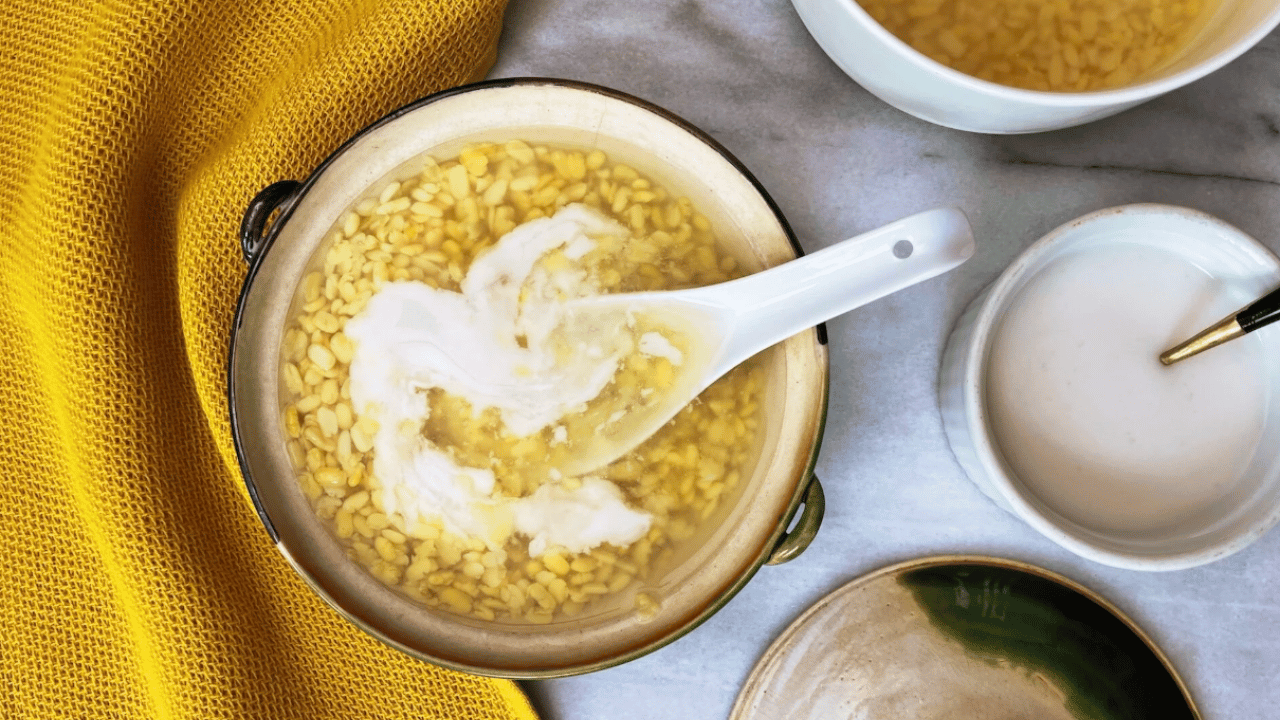
Vietnamese desserts are widely celebrated for their delicate balance of flavor, texture, and use of natural ingredients. Among the most beloved categories is mung bean dessert Vietnamese, commonly known as chè đậu xanh. These desserts highlight the simplicity of mung beans, transforming them into a variety of comforting treats that are both satisfying and easy to enjoy. Unlike heavier desserts, they focus on gentle sweetness and soft textures, making them approachable for a wide range of palates.
What makes these desserts truly special is their versatility. They can take many forms, from smooth and silky puddings to light, refreshing drinks served over crushed ice. Whether enjoyed warm on a rainy day or chilled under the tropical heat, mung bean desserts provide a sense of comfort while reflecting Vietnam’s rich culinary heritage. Each variation offers a unique experience, yet all share the same essence of balance, tradition, and understated sweetness.
Mung Bean Dessert Vietnamese is a light and comforting traditional sweet
Mung bean dessert Vietnamese is a perfect representation of how simple ingredients can be transformed into something deeply comforting and meaningful. Known for its light texture and gentle sweetness, this traditional treat has become a beloved part of everyday life in Vietnam. More than just a dessert, it reflects a sense of warmth, tradition, and balance that defines Vietnamese cuisine. From humble home kitchens to bustling street stalls, these desserts continue to bring a sense of familiarity and comfort to those who enjoy them.
A Comforting Dessert Loved Across Generations
Mung bean desserts have been a staple in Vietnamese households for generations. From street vendors to family kitchens, these sweet treats are deeply rooted in daily life. Many people in Vietnam grow up enjoying a warm bowl of mung bean soup prepared by parents or grandparents, making it more than just a dessert—it’s a nostalgic experience.
The simplicity of ingredients combined with thoughtful preparation techniques has allowed these desserts to remain timeless. Even today, they continue to be passed down through generations, preserving both flavor and tradition.
Light, Naturally Sweet, and Surprisingly Refreshing
Unlike many Western desserts that rely heavily on cream, butter, or refined sugars, mung bean dessert Vietnamese stands out for its lightness. The natural earthiness of mung beans pairs beautifully with gentle sweetness, often enhanced by coconut milk or palm sugar.
What makes these desserts particularly unique is their refreshing quality. When served cold with ice, they become a cooling treat perfect for hot climates. When served warm, they transform into a soothing, comforting dish ideal for relaxation.
Why These Desserts Stand Out in Vietnamese Cuisine
Vietnamese cuisine is known for balance—sweet, salty, sour, and bitter elements often coexist harmoniously. Mung bean desserts reflect this philosophy through their subtle sweetness and layered textures.
They also stand out because of their versatility. You can find them as soups, puddings, drinks, or even layered desserts with vibrant colors. This diversity allows mung bean desserts to appeal to a wide range of tastes and preferences.
Popular Types of Mung Bean Dessert Vietnamese
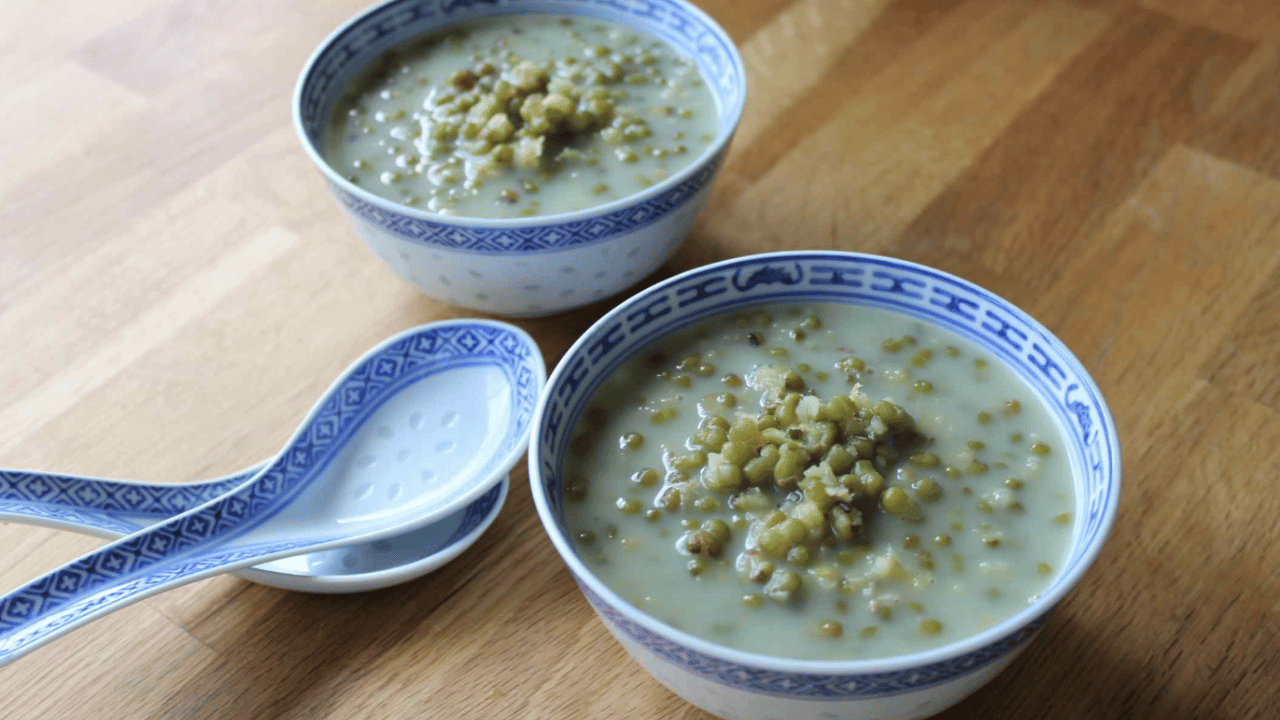
Vietnamese cuisine offers a rich variety of mung bean-based desserts, each with its own distinct texture, flavor, and presentation style. These popular variations highlight how a single ingredient—mung beans—can be transformed into comforting soups, silky puddings, and vibrant layered treats. Exploring these classic types of mung bean dessert Vietnamese not only showcases their versatility but also reveals the creativity and cultural depth behind each delicious creation.
Chè Đậu Xanh (Mung Bean Sweet Soup)
Chè đậu xanh is perhaps the most classic version of mung bean dessert Vietnamese. It is typically made by simmering mung beans until soft, then sweetened with sugar and enriched with coconut milk.
This dessert can be served in multiple ways—either warm for a comforting experience or chilled with ice for a refreshing treat. Its smooth, slightly thick texture makes it easy to enjoy at any time of the day.
Chè Hoa Cau (Mung Bean Pudding with Tapioca)
Chè hoa cau is known for its glossy, thick consistency and delicate appearance. The mung beans are cooked until soft but still slightly intact, then combined with a tapioca-based mixture that creates a smooth, almost translucent pudding.
The addition of coconut milk on top enhances both flavor and visual appeal. This dessert is often admired for its elegant texture and balanced sweetness.
Chè Ba Màu (Vietnamese Three-Color Dessert)
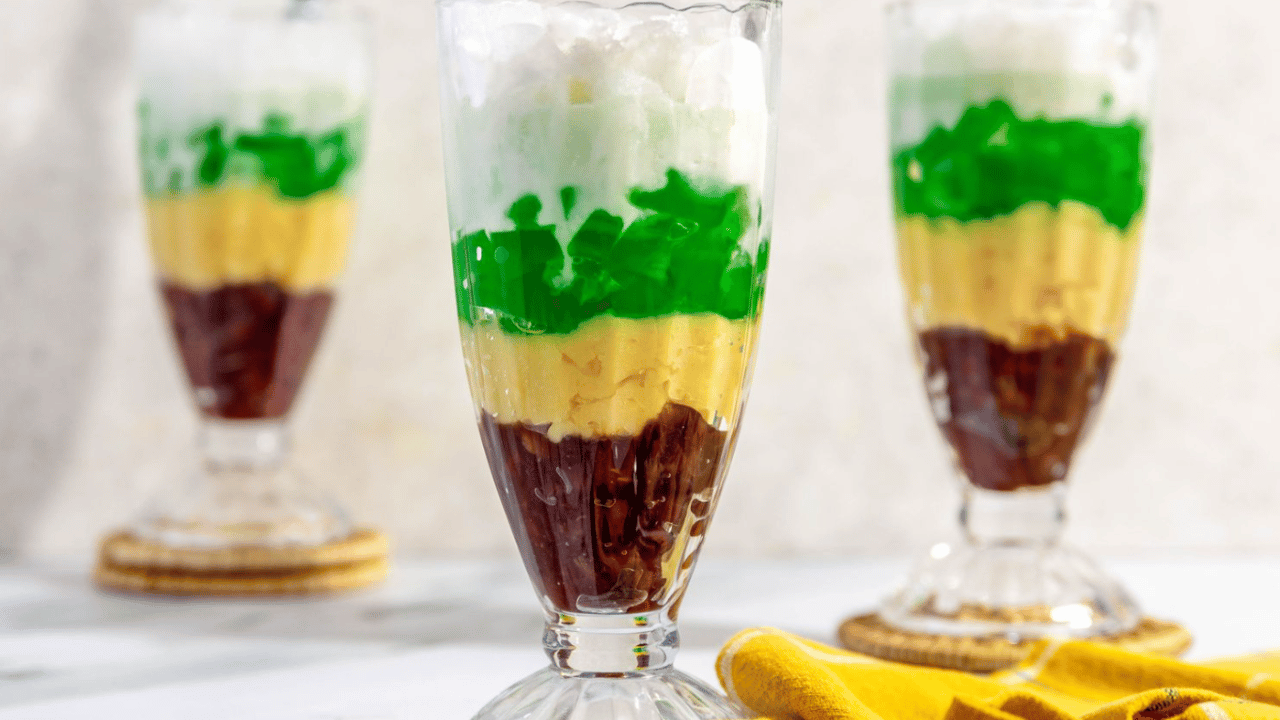
Chè ba màu, or “three-color dessert,” is a vibrant and visually striking dish. It typically consists of layers of mung beans, red beans, and green jelly, topped with coconut milk and crushed ice.
In this dessert, mung beans play an important role by adding a creamy, slightly dense layer that contrasts with the other textures. The combination of colors, flavors, and temperatures makes it one of the most exciting Vietnamese desserts to try.
What Makes These Desserts So Special
Vietnamese cuisine offers a wide variety of mung bean-based sweets, each with its own unique texture, flavor, and presentation. These desserts showcase the versatility of mung beans, transforming them into everything from warm, comforting soups to beautifully layered and refreshing treats. Among the many variations, a few classic types stand out as favorites, representing the rich diversity and creativity found in mung bean dessert Vietnamese.
The Role of Coconut Milk in Flavor and Texture
Coconut milk is a key ingredient in many mung bean desserts. It adds richness and a creamy texture that complements the soft beans perfectly.
Beyond taste, coconut milk also enhances the overall mouthfeel of the dessert. It creates a smooth, luxurious finish without making the dish too heavy, maintaining the lightness that defines Vietnamese sweets.
Natural Sweetness from Sugar and Palm Sugar
Sweetness in mung bean dessert Vietnamese is typically mild and well-balanced. White sugar is commonly used, but palm sugar is also popular for its deeper, caramel-like flavor.
This natural approach to sweetness ensures that the flavor of the mung beans remains the star of the dish, rather than being overpowered by sugar.
Unique Additions Like Pandan, Tapioca, and Jelly
Many mung bean desserts incorporate additional ingredients to create layers of flavor and texture. Pandan leaves, for example, add a subtle floral aroma and a natural green hue.
Tapioca pearls or starch are often used to create a chewy or thickened consistency, while jelly elements provide contrast and visual appeal. These additions transform simple ingredients into complex and satisfying desserts.
A Naturally Nourishing Dessert Choice
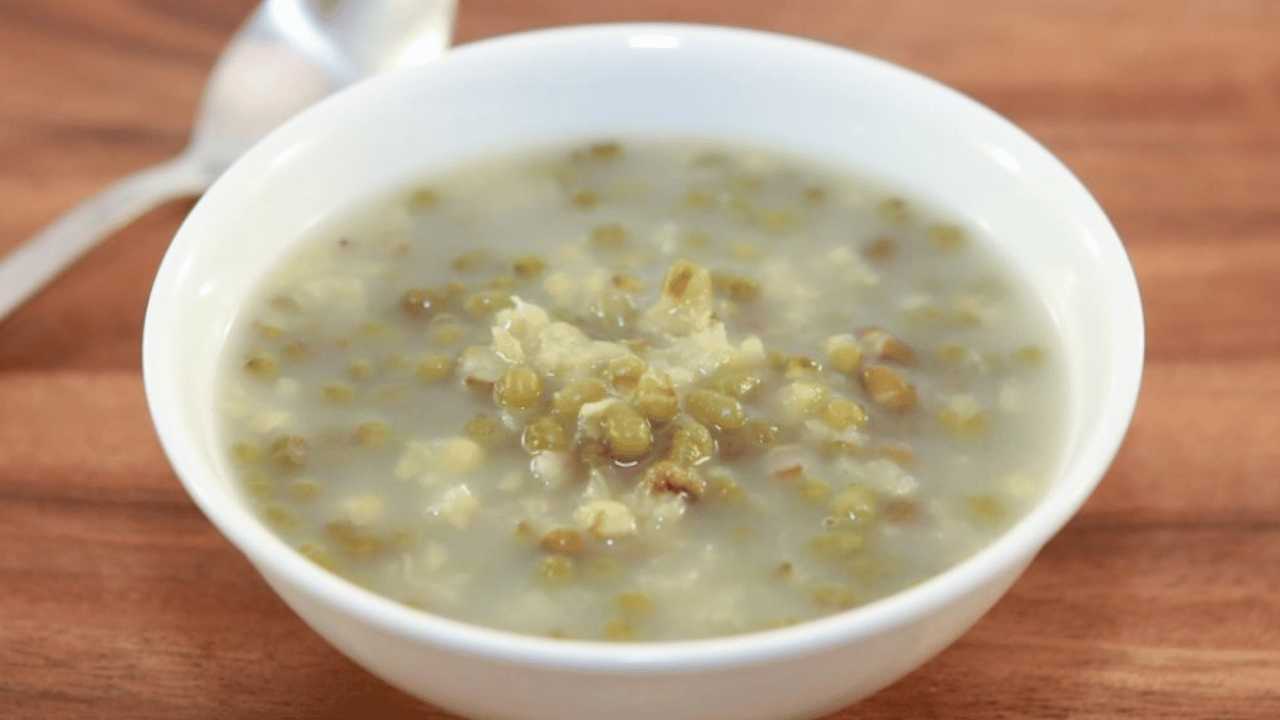
Mung bean dessert Vietnamese is not only appreciated for its taste and texture, but also for its nourishing qualities. Made from simple, natural ingredients, these desserts offer a balance between indulgence and nutrition, making them a popular choice for those seeking something sweet yet relatively light. Beyond their flavor, mung bean-based treats are often associated with wellness and comfort, adding another layer of appeal to their already versatile nature.
Nutritional Benefits of Mung Beans
Mung beans are not only delicious but also highly nutritious. They are a great source of plant-based protein, fiber, vitamins, and minerals.
Because of their nutritional profile, mung bean desserts can feel more wholesome compared to many other sweet treats. They provide energy while still being relatively light and easy to digest.
Known for Its Cooling Properties
In traditional beliefs, mung beans are considered to have cooling properties. This makes them especially popular in warm climates, where they are believed to help regulate body heat.
As a result, mung bean dessert Vietnamese is often enjoyed during hot weather as a refreshing and revitalizing treat.
Perfect Occasions to Enjoy Mung Bean Desserts
These desserts are incredibly versatile and can be enjoyed at any time. They are commonly served as a midday snack, a light dessert after meals, or even a quick breakfast option.
Their adaptability—whether served hot or cold—makes them suitable for different moods and seasons.
From Tradition to Modern Creations
Mung bean dessert Vietnamese has gracefully evolved over time, bridging the gap between traditional recipes and modern culinary creativity. While these desserts remain rooted in heritage, they have also adapted to contemporary lifestyles and global food trends. This ability to evolve without losing their essence is what keeps mung bean desserts relevant, appealing to both older generations and new audiences discovering them for the first time.
Vegan and Dairy-Free Friendly Options
One of the biggest advantages of mung bean dessert Vietnamese is that it is naturally vegan-friendly. Coconut milk replaces dairy, making it suitable for those with dietary restrictions.
This has contributed to its growing popularity worldwide, especially among people seeking plant-based dessert options.
Creative Fusion Dessert Ideas
Modern chefs and home cooks have begun experimenting with mung bean desserts by incorporating them into fusion creations. Examples include mung bean ice cream, cakes, and even smoothies.
These innovations retain the core flavors while introducing new formats that appeal to contemporary tastes.
Modern, Restaurant-Style Presentations
In restaurants, mung bean desserts are often elevated with elegant presentations. Layers are carefully arranged, toppings are artfully placed, and textures are refined for a more sophisticated dining experience.
Understanding the Basics Behind Mung Bean Desserts
To truly appreciate mung bean dessert Vietnamese, it helps to understand the basic concepts behind these traditional treats. From the meaning of chè đậu xanh to the differences in texture and presentation, each element plays a role in shaping the overall experience. By exploring these fundamentals, you can better recognize how simple ingredients are transformed into a wide variety of desserts that are both visually appealing and satisfying to eat.
What “Chè Đậu Xanh” Really Means
The term “chè” refers to a broad category of Vietnamese sweet dishes, while “đậu xanh” means mung beans. Together, they describe a variety of desserts centered around mung beans.
This category includes soups, puddings, and layered desserts, all sharing the same core ingredient but differing in preparation and presentation.
Key Characteristics of Texture and Taste
Mung bean desserts are known for their soft, creamy textures and mild sweetness. The beans are usually cooked until tender, creating a smooth consistency that is easy to enjoy.
The flavor is subtle yet satisfying, often enhanced by coconut milk or aromatic ingredients like pandan.
Differences Between Soup, Pudding, and Layered Desserts
The main difference lies in consistency and presentation. Soups like chè đậu xanh are more liquid and can be sipped or eaten with a spoon.
Puddings such as chè hoa cau are thicker and more structured, while layered desserts like chè ba màu combine multiple components for a visually appealing and texturally diverse experience.
Ingredients Behind Mung Bean Dessert Vietnamese
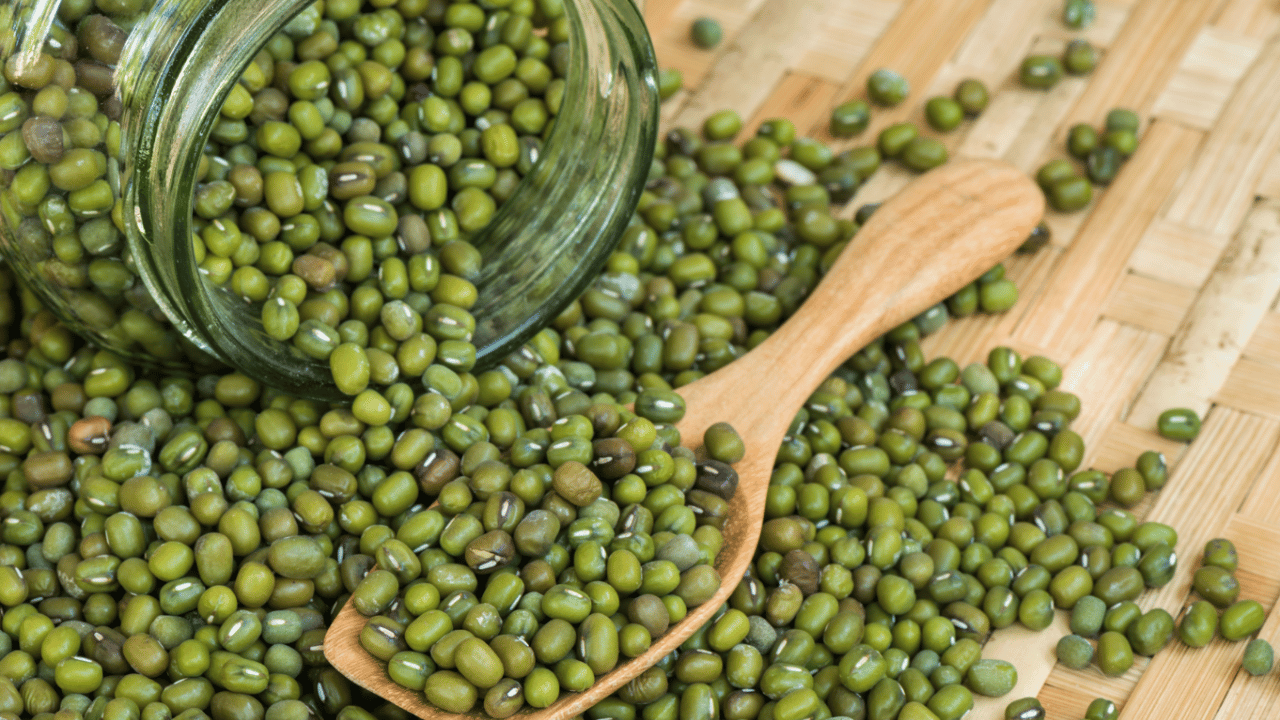
The beauty of mung bean dessert Vietnamese lies in its use of simple yet thoughtfully combined ingredients. Each component plays an important role in shaping the flavor, texture, and overall experience of the dessert. From the type of mung beans used to the addition of coconut milk and aromatic elements, these ingredients work together harmoniously to create desserts that are both comforting and distinctive.
Types of Mung Beans (Split vs Whole)
Mung beans come in different forms, including whole beans with skin and split beans without skin. Split mung beans are more commonly used in desserts because they cook faster and produce a smoother texture.
Whole beans, on the other hand, are sometimes used when a slightly firmer texture is desired.
Coconut Milk and Its Role in Flavor
Coconut milk is essential for adding richness and depth to mung bean desserts. It balances the earthiness of the beans and creates a creamy finish that enhances the overall experience.
In many recipes, coconut milk is used both during cooking and as a topping.
Sweeteners: Sugar, Palm Sugar, and Alternatives
Different sweeteners can be used depending on preference. White sugar provides a clean sweetness, while palm sugar adds complexity with its caramel notes.
Some modern variations also use alternative sweeteners, but the goal remains the same—achieving a gentle, balanced sweetness.
Additional Ingredients (Pandan, Tapioca, Jelly, Beans)
Additional ingredients play a crucial role in enhancing both flavor and texture. Pandan leaves add fragrance, tapioca creates chewiness or thickness, and jelly introduces a playful element.
Other beans, such as red beans, may also be included in layered desserts to create contrast and variety.
Why Mung Bean Dessert Vietnamese is Worth Trying
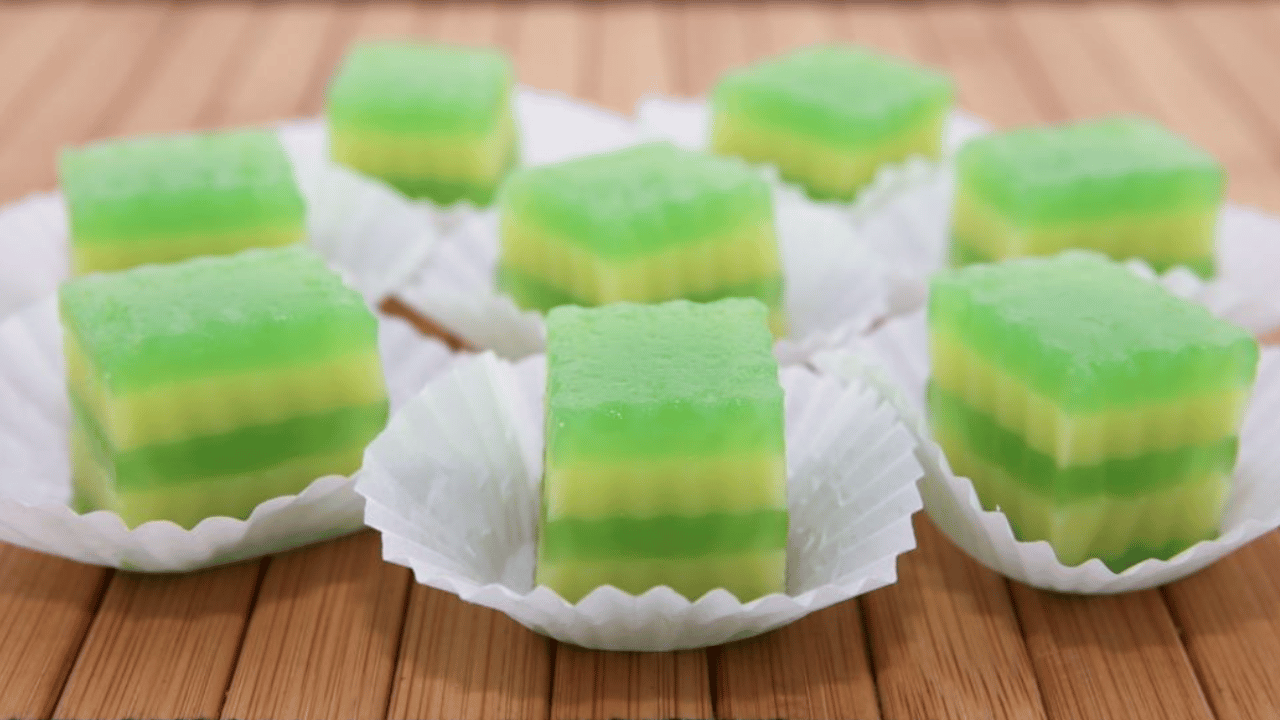
Mung bean dessert Vietnamese offers a unique combination of simplicity, nutrition, and versatility that is hard to find in many other desserts. Its ability to be both comforting and refreshing at the same time makes it suitable for a wide range of occasions, whether you are looking for a light snack, a satisfying dessert after a meal, or something soothing to enjoy on a quiet day. The use of natural ingredients and balanced sweetness allows these desserts to feel indulgent without being overly heavy, making them appealing to many different tastes and preferences.
Whether you are exploring Vietnamese cuisine for the first time or looking to expand your dessert repertoire, these dishes provide a perfect harmony between tradition and innovation. They reflect generations of culinary knowledge while still leaving room for creativity and modern interpretations. From the creamy richness of coconut milk to the gentle, earthy sweetness of mung beans, every spoonful carries a sense of culture and heritage, offering not just flavor but also a deeper appreciation for the artistry behind Vietnamese desserts.
FAQ
-
Mung bean dessert Vietnamese, often called chè đậu xanh, is a traditional sweet dish made from mung beans, sugar, and coconut milk. It can be served as a soup, pudding, or layered dessert depending on the preparation.
-
It can be enjoyed both ways. Many versions are served warm for a comforting experience, while others are chilled with ice for a refreshing treat, especially in hot weather.
-
It has a mild, slightly nutty flavor with gentle sweetness. The addition of coconut milk gives it a creamy and rich taste without being too heavy.
-
Compared to many other desserts, it is relatively nutritious. Mung beans provide protein, fiber, and essential nutrients, making it a lighter and more wholesome dessert option.
-
Chè đậu xanh is a simple mung bean-based dessert, usually served as a soup or pudding. Chè ba màu, on the other hand, is a layered dessert that includes mung beans along with red beans, jelly, and coconut milk.
