
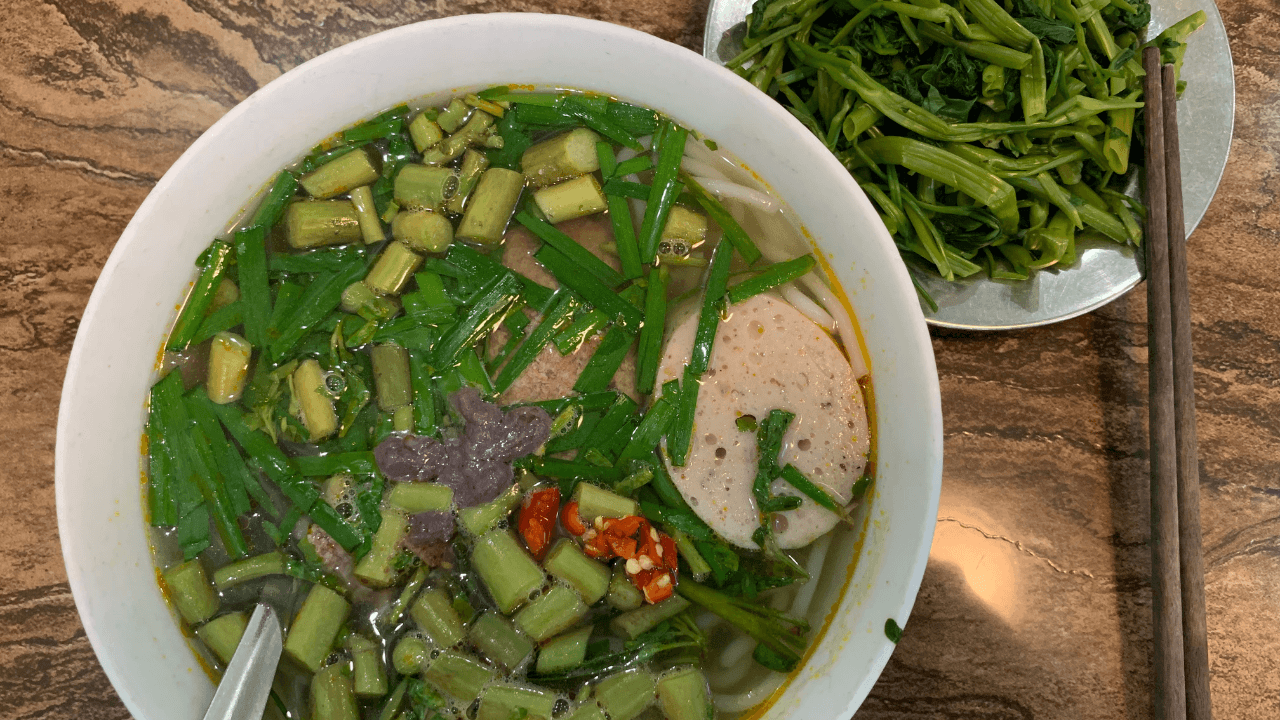
You're scanning the menu at your favorite Vietnamese restaurant, torn between ordering pho and something called "canh cua" that sounds intriguing but unfamiliar. While pho dominates menus across America, canh is the everyday comfort soup that Vietnamese families have relied on for generations, and they're more different than you might think.
Both soups represent the heart of Vietnamese cuisine, but they serve entirely different purposes. Pho, with its complex, hours-long simmered broth and delicate rice noodles, is often considered the national dish. Canh, on the other hand, is the quick, nourishing soup that appears at nearly every Vietnamese family meal, designed to balance flavors and provide comfort without elaborate preparation.
Understanding these distinctions will help you order with confidence and give you insight into the diverse world of Vietnamese soup culture beyond the familiar bowl of pho.
What Is Pho? The Iconic Vietnamese Noodle Soup
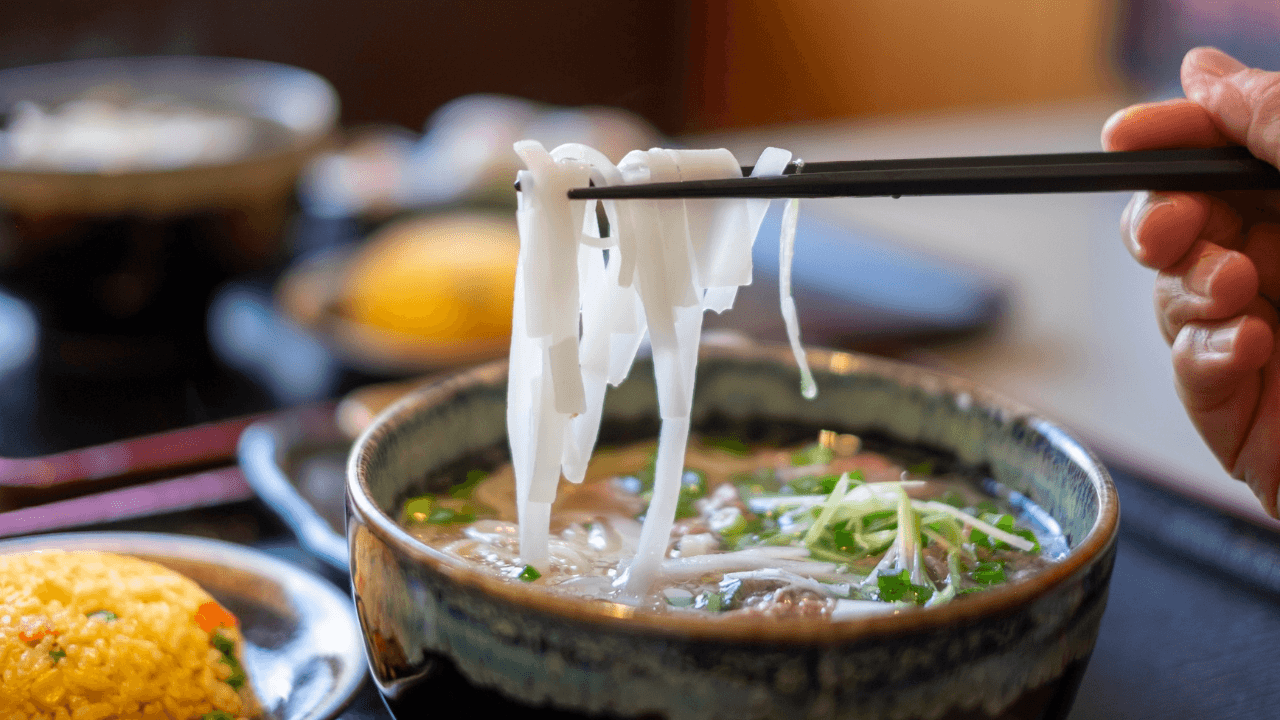
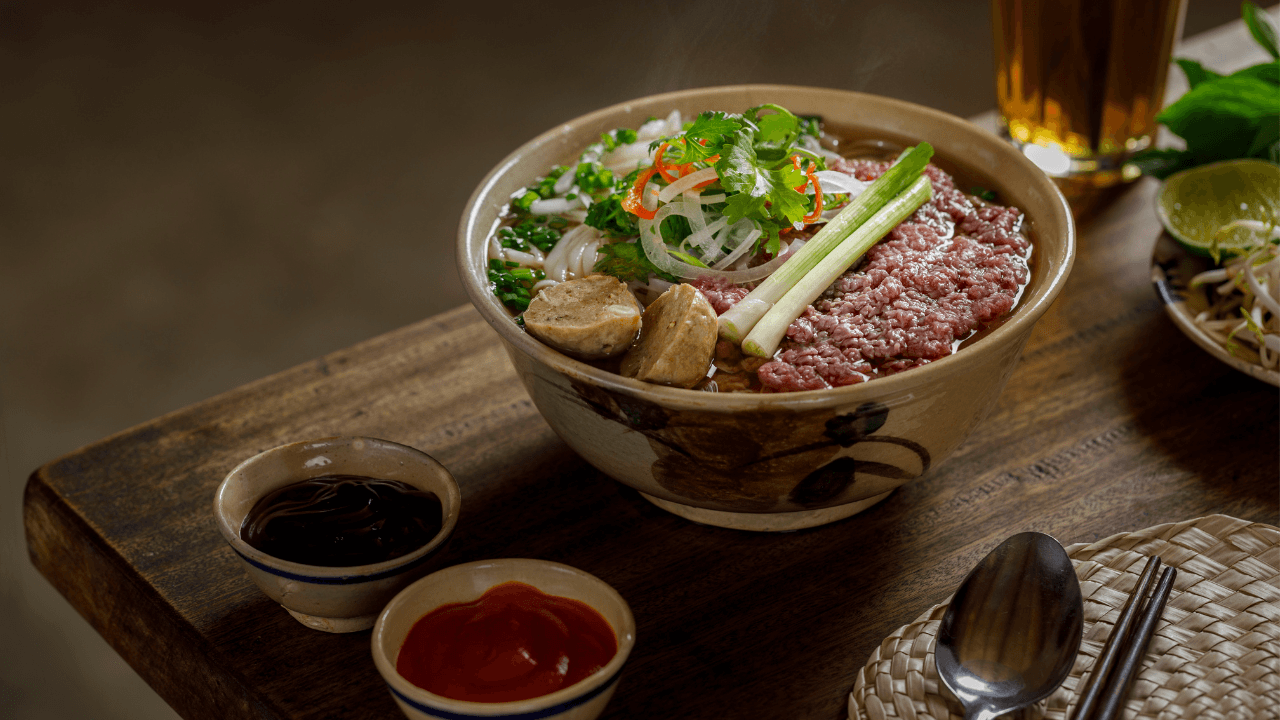
Pho stands as Vietnam's most recognized culinary export, a harmonious bowl that balances rich broth, silky noodles, and fresh aromatics. This beloved vietnamese noodle soup consists of a deeply flavored broth poured over flat rice noodles and topped with thinly sliced meat, creating a complete meal that satisfies both hunger and soul.
What sets pho apart from other vietnamese soup varieties lies in its meticulous construction and the interplay between hot broth and cool, crisp garnishes.
Pho Broth: The Foundation
The heart of authentic pho lies in its broth, which requires patience and skill to perfect. Traditional pho broth simmers for 12+ hours, extracting every ounce of flavor from beef or chicken bones. Master cooks add whole spices like star anise, cinnamon, and clove during the cooking process, creating the signature aromatic profile that makes pho instantly recognizable.
Fish sauce provides essential umami depth, while charred onions and ginger contribute subtle sweetness and complexity. The result is a clear, fragrant liquid that forms the backbone of this iconic dish.
Pho Noodles and Toppings
Flat bánh phở rice noodles provide the perfect texture contrast to the liquid broth. Fresh accompaniments include Thai basil, cilantro, bean sprouts, and lime wedges, allowing diners to customize each spoonful. Protein options typically feature rare beef, well-done brisket, or tender chicken, though variations abound across different regions.
What Is Canh? The Everyday Vietnamese Vegetable Soup
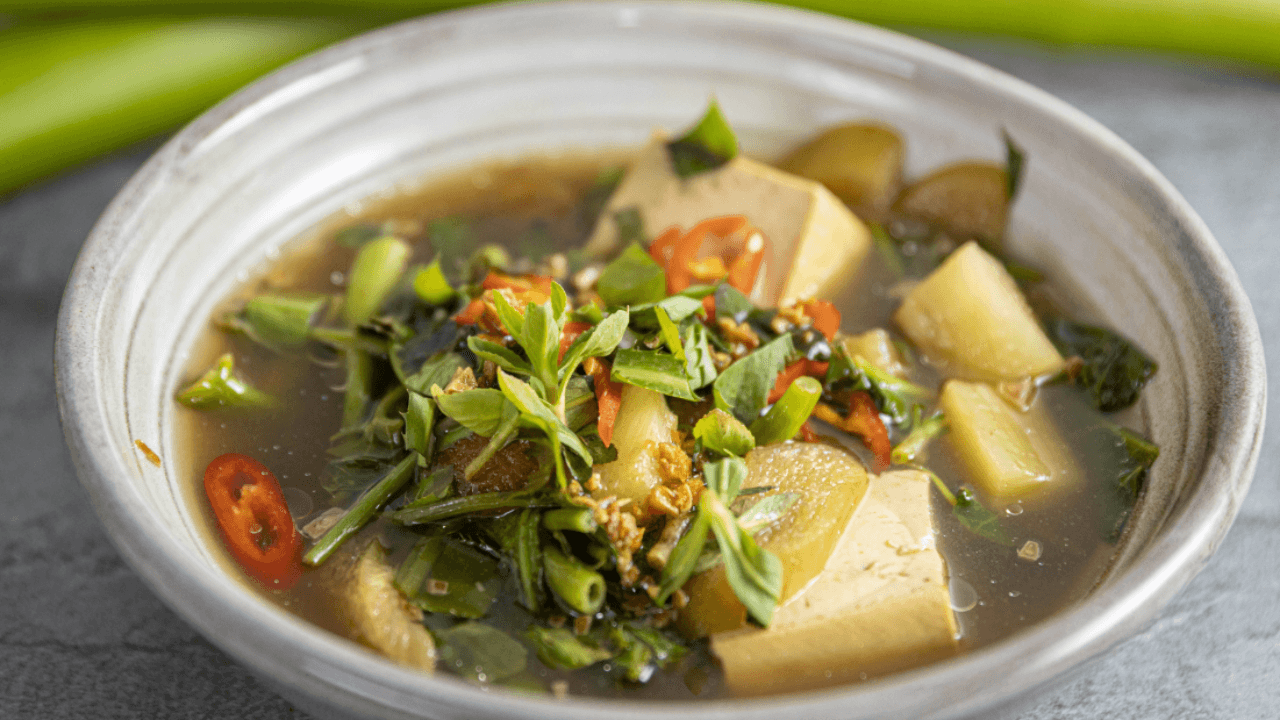
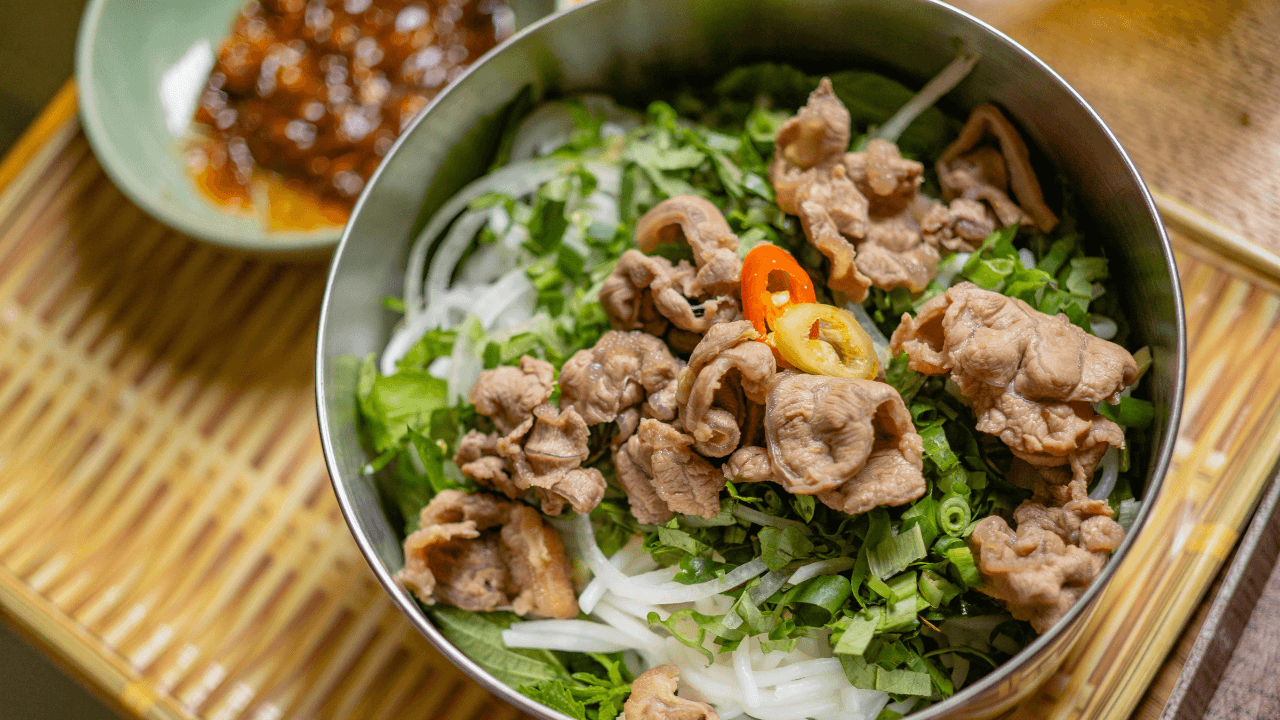
While pho commands international attention, canh represents the heart of Vietnamese home cooking. This lighter, broth-based vegetable soup appears on family tables across Vietnam daily, serving as a comforting complement to steamed rice rather than a standalone meal.
Unlike the complex, hours-long preparation of pho, canh embraces simplicity and speed. Vietnamese families prepare countless variations using whatever fresh vegetables and proteins are available.
Canh Broth: Light and Simple
Canh broth takes a completely different approach from pho's rich, spice-laden base. Typically made with pork or seafood stock, the broth simmers for just 30-45 minutes. This shorter preparation creates a cleaner, more delicate flavor that allows the fresh vegetables to shine. The seasoning remains minimal, usually just fish sauce, salt, and sometimes a touch of sugar.
Canh Vegetables and Proteins
Fresh vegetables form the backbone of any canh soup. Morning glory, asparagus, cabbage, tomatoes, and leafy greens appear frequently, often cut into generous chunks that maintain their texture and color. Proteins like sliced pork, fresh crab, or flaky fish add substance without overwhelming the vegetable-forward profile.
Pho vs. Canh: Head-to-Head Comparison
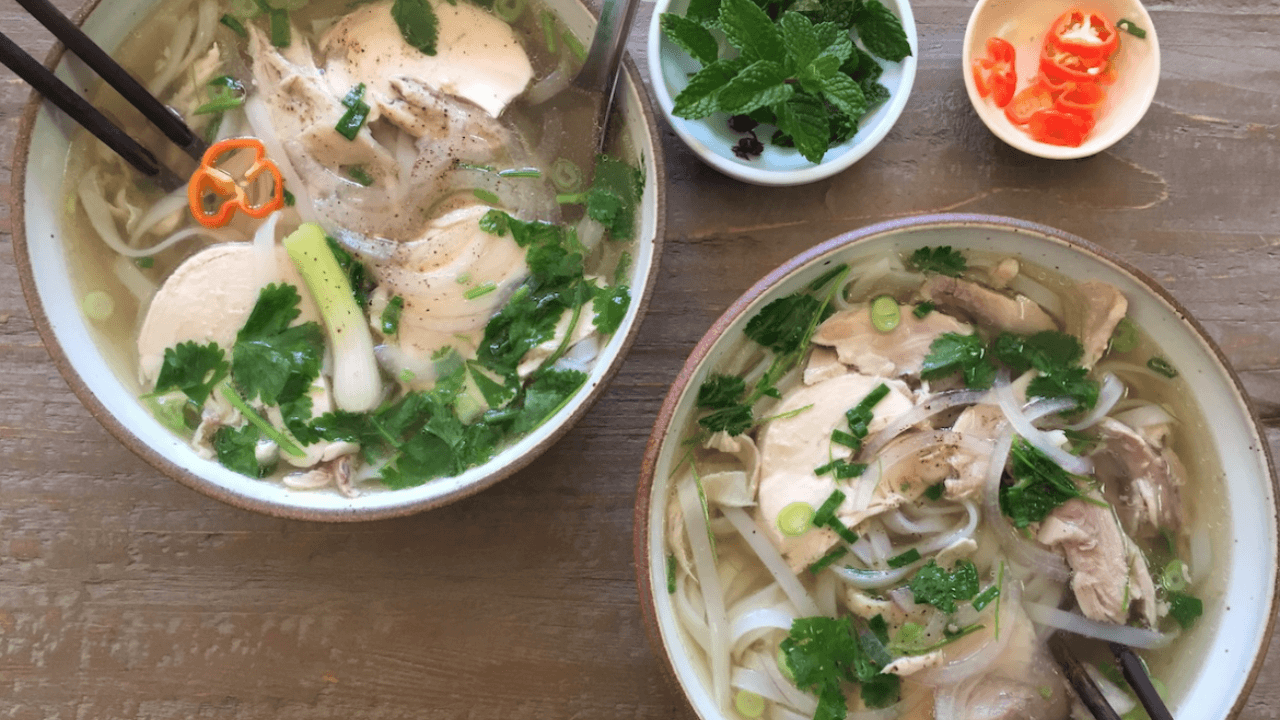
Understanding these two vietnamese noodle soup styles becomes clearer when you examine their fundamental differences side by side.
Broth and Flavor Profile
Pho broth delivers complexity through star anise, cinnamon, and charred aromatics that develop over hours of simmering. Canh takes the opposite approach with delicate, vegetable-forward broths that highlight fresh ingredients rather than mask them.
Noodles and Texture
Pho centers on flat rice noodles that provide satisfying chew and absorb the aromatic broth. Most canh varieties skip noodles entirely, though banh canh features thick, chewy tapioca noodles for a heartier variation.
Serving and Eating Style
Pho arrives as a complete meal, eaten with chopsticks and spoon in focused enjoyment. Canh functions as part of a larger spread, complementing steamed rice and other dishes in traditional Vietnamese family dining.
Regional Variations: Northern vs. Southern Styles
Vietnam's geography shapes its soup traditions in distinct ways. While both pho and canh appear throughout the country, regional preferences create notable differences in preparation and flavor profiles.
Northern Pho: Hanoi Style
Hanoi's pho reflects the capital's more conservative culinary approach. The broth runs darker and more concentrated, built from longer bone simmering. Star anise dominates the spice blend, creating an intense, almost medicinal aroma. The rice noodles are wider and chewier, while toppings remain minimal: thinly sliced beef, white onions, and cilantro.
Southern Pho: Saigon Style
Southern pho embraces a lighter, sweeter profile. The pho broth incorporates rock sugar and fish sauce more liberally, balancing the beef bones with a gentler touch. Thinner rice noodles provide delicate texture, while an elaborate herb plate accompanies each bowl featuring Thai basil, cilantro, bean sprouts, jalapeños, and lime.
Canh Across Vietnam
Unlike pho's standardized regional styles, canh varies dramatically by province and household. Coastal areas favor seafood-based canh featuring fish, crab, or shrimp. Inland regions prefer pork and vegetable combinations, often incorporating local greens that reflect seasonal availability.
Nutritional and Dietary Considerations
Both pho and canh offer distinct nutritional profiles that cater to different dietary needs and meal preferences.
Pho Nutrition: Heartier and More Filling
Pho delivers a substantial meal with approximately 300–400 calories per bowl, primarily from rice noodles and protein-rich broth. The generous portion of rice noodles provides complex carbohydrates, while the long-simmered bone broth contributes collagen, minerals, and amino acids. Beef or chicken adds complete proteins, typically ranging from 20–30 grams per serving.
Canh Nutrition: Lighter and Vegetable-Rich
Canh offers a lighter alternative at roughly 150–250 calories per bowl, making it ideal for portion control or as a nutritious side dish. The vegetable-forward composition provides fiber, vitamins, and minerals while keeping calories low. With minimal or no rice noodles, canh relies on vegetables like tomatoes, mustard greens, or watercress for bulk and nutrition.
How to Choose: Pho or Canh?
The decision between these two Vietnamese soup styles depends on your appetite, mood, and dining context.
Choose Pho When...
Reach for pho when you're craving a substantial, satisfying meal. This vietnamese noodle soup works perfectly as a standalone lunch or dinner, thanks to its rich, aromatic broth and generous rice noodles. The complex spice blend creates layers of flavor that develop with each spoonful.
Choose Canh When...
Opt for canh when you want something lighter and more refreshing. This vietnamese soup pairs beautifully with steamed rice and other dishes in a traditional Vietnamese meal setup. Choose canh if you prefer vegetable-forward flavors and subtle, clean tastes over bold spices.
Try Both: Banh Canh
Consider banh canh as your middle ground. This hearty soup features thick tapioca noodles in a more substantial broth than typical canh, bridging the gap between both soup styles.
Where to Find Pho and Canh in America
Vietnamese cuisine has flourished across American cities, making these beloved soups more accessible than ever.
Pho Availability and Ordering
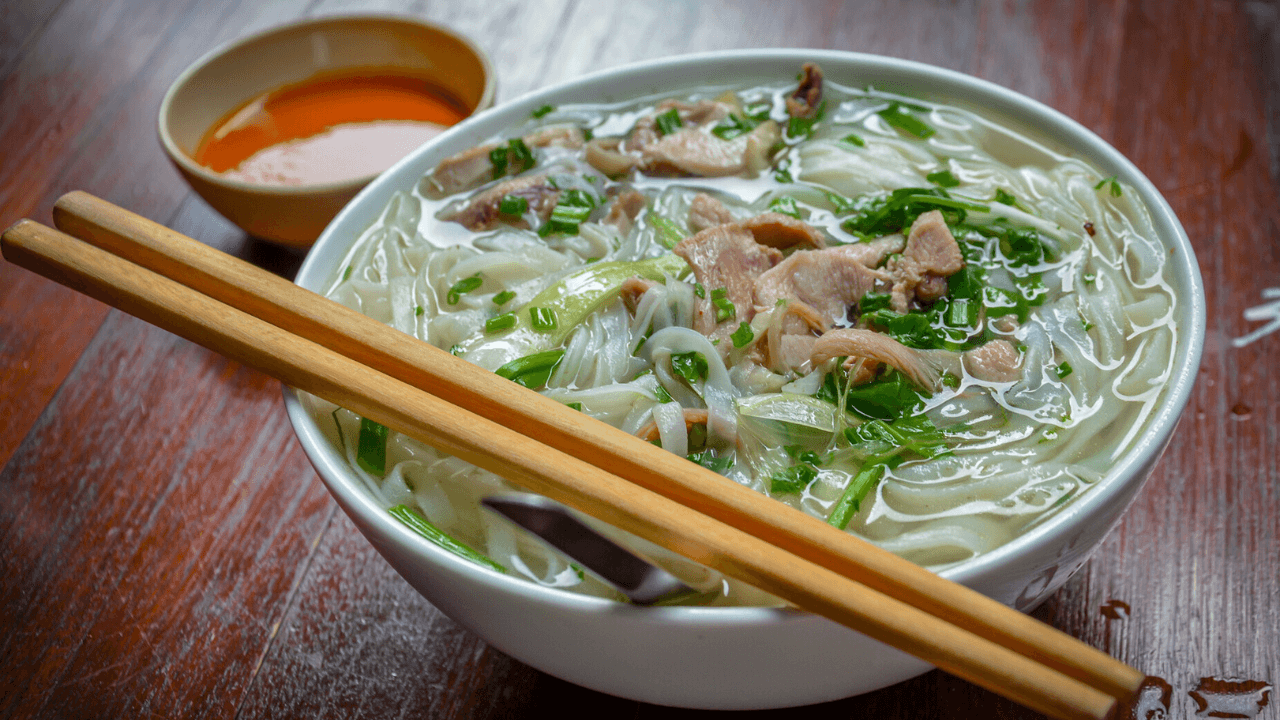
Pho appears on virtually every Vietnamese restaurant menu in America. Most restaurants offer multiple protein options including rare beef (tái), well-done brisket (chín), chicken (gà), and vegetarian versions. When ordering, expect your pho to arrive with fresh herbs, bean sprouts, lime wedges, jalapeños, and sauces like hoisin and sriracha for customization.
Canh Availability and Ordering
Canh proves more elusive on American Vietnamese menus, though its presence is growing. Family-run restaurants and establishments in areas with strong Vietnamese communities are your best bet. Many restaurants serve canh as a daily special rather than a permanent menu item. When available, canh typically comes with steamed jasmine rice on the side.
Key Takeaways: Pho and Canh at a Glance
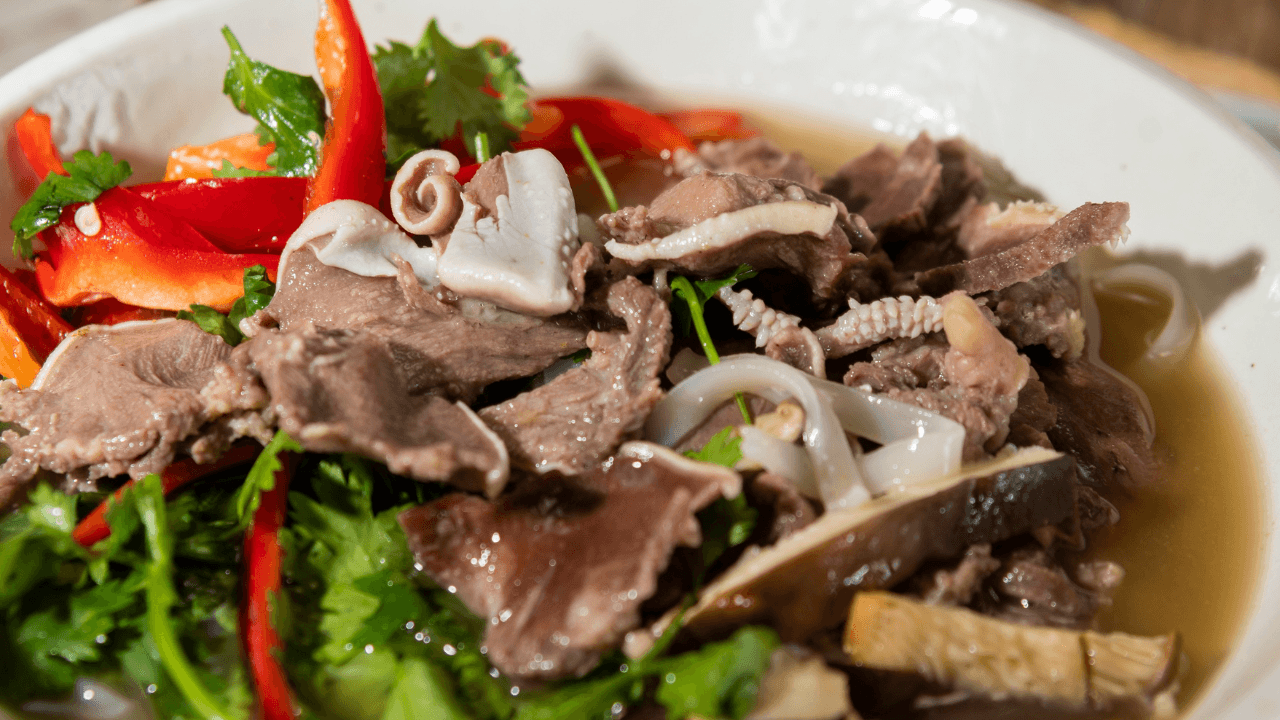
These two Vietnamese soups occupy distinct but equally important places in Vietnam's culinary landscape. Pho stands as the country's most celebrated noodle soup, built on hours of simmering bones and spices to create a deeply aromatic, complex broth. With its flat rice noodles and generous protein portions, pho delivers a complete, satisfying meal.
Canh takes a different approach entirely. This light, vegetable-rich soup serves as Vietnam's everyday comfort food, designed to accompany rice rather than stand alone. Its clear, delicate broth highlights fresh vegetables and herbs, offering balance and nutrition to round out family meals.
The beauty lies in their complementary roles. Pho provides the dramatic, aromatic experience that defines special occasions and restaurant visits. Canh delivers the gentle, nourishing comfort that Vietnamese families rely on daily. Both represent essential aspects of Vietnamese cuisine: the spectacular and the sustaining.
Frequently Asked Questions
-
The main difference lies in the broth and preparation method. Pho features a rich, complex broth made by simmering bones for 12-24 hours, creating a deeply concentrated flavor that's served with rice noodles. Canh is a lighter, clearer soup made with simple broths that cook in 30 minutes or less, often containing vegetables, herbs, and sometimes meat or seafood.
-
Traditional canh doesn't contain noodles and is typically served as a side soup alongside rice and other dishes. However, some variations like canh bun (with vermicelli noodles) do exist, but these are less common than the standard vegetable-based canh soups.
-
Canh is generally lighter and lower in calories due to its vegetable-forward ingredients and clear broth. Pho tends to be more calorie-dense because of the rich bone broth and rice noodles, though both can be healthy depending on ingredients and portion sizes.
-
Most Vietnamese restaurants offer canh, though the selection may be limited compared to pho options. Look for dishes labeled as "canh chua" (sour soup) or ask your server about available soup options beyond pho.
-
Banh canh is a separate noodle soup featuring thick, chewy tapioca or rice noodles in a clear or light broth. Unlike pho's thin rice noodles and complex broth or canh's typically noodle-free, vegetable-focused format, banh canh focuses on substantial, udon-like noodles with seafood or pork in a simpler broth than pho but heartier than traditional canh.
