
10 Popular Viet Desserts: Traditional Vietnamese Sweets You Must Try
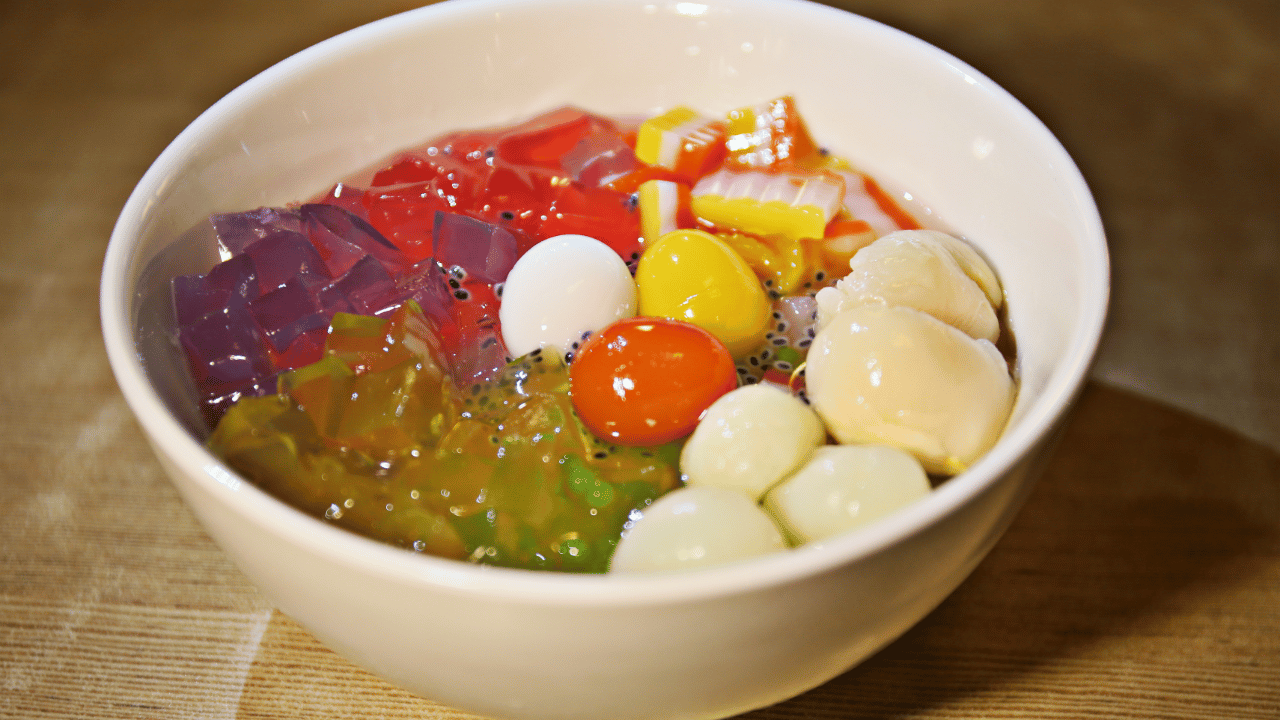
Viet Desserts offer a beautiful mix of colors, textures, and tropical flavors. These traditional sweets are known for combining ingredients like coconut milk, sticky rice, beans, pandan, and tropical fruits into comforting dishes. Many Vietnamese desserts balance creamy, chewy, soft, and refreshing textures in a single serving. This unique combination makes Vietnamese sweets feel enjoyable without becoming too rich or overly heavy.
Vietnamese dessert culture also reflects everyday life, family traditions, and local street food experiences. Some desserts are served warm with fragrant ginger syrup, while others are enjoyed cold with crushed ice during hot afternoons. Many recipes have been shared across generations and remain popular in homes, markets, and restaurants throughout Vietnam. Today, Viet Desserts continue attracting international food lovers who want lighter and more refreshing alternatives to common Western sweets.
Introduction to Viet Desserts
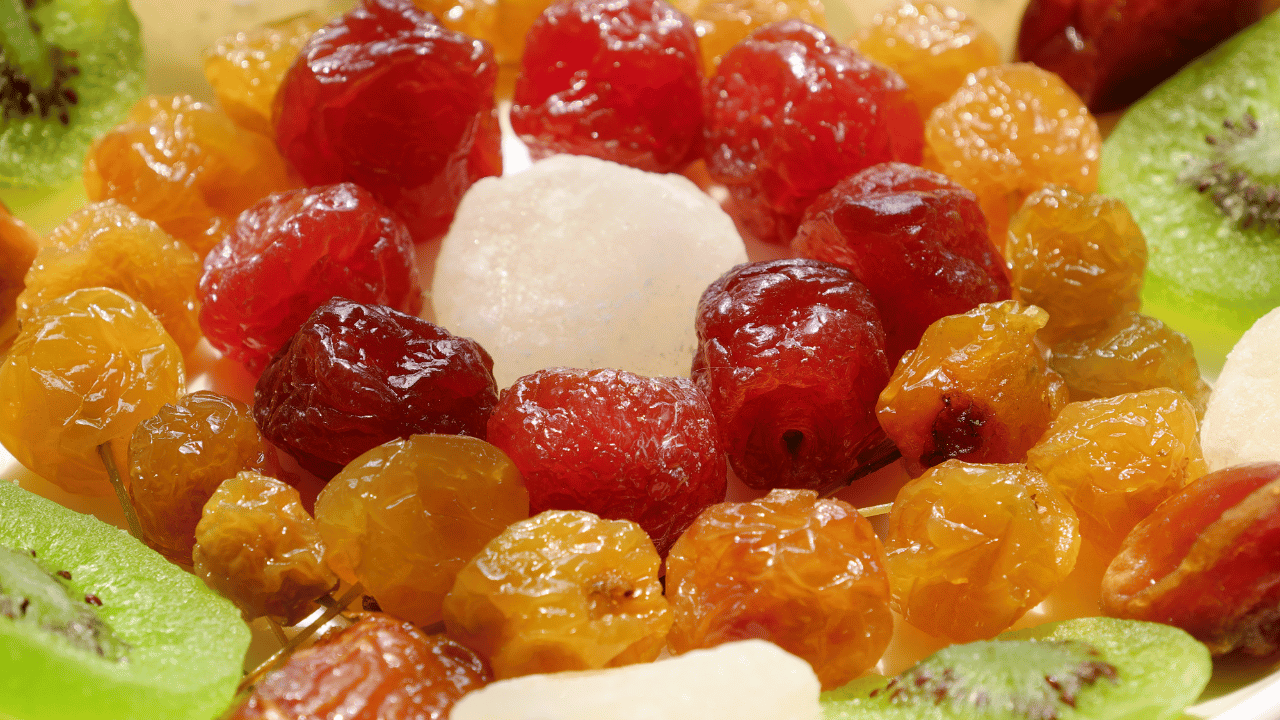
Viet Desserts are known for balance, freshness, and gentle sweetness. They often feel lighter than many rich Western desserts.
Why Vietnamese Desserts Are Loved for Their Unique Flavors and Textures
Vietnamese desserts are loved because they combine many textures in one simple serving. A single bowl may include soft beans, chewy tapioca, creamy coconut milk, and crushed ice.
Many desserts also use tropical ingredients that feel fresh and fragrant. Pandan, banana, mung beans, coconut, and sticky rice appear in many traditional recipes.
The sweetness is usually gentle, not overpowering or too heavy. This makes Vietnamese sweets enjoyable after meals, during hot afternoons, or as casual snacks.
Common Ingredients in Vietnamese Sweet Desserts
Many Viet Desserts use coconut milk as a creamy base. It gives desserts a smooth texture and rich tropical flavor.
Sticky rice is another important ingredient in Vietnamese sweets. It creates a chewy texture that works well with bananas, beans, sesame, and coconut sauce.
Other common ingredients include tapioca pearls, mung beans, red beans, corn, lychee, and pandan. These ingredients create desserts that are colorful, fragrant, and naturally satisfying.
How Traditional Viet Desserts Are Enjoyed in Everyday Life
Traditional Vietnamese desserts are often enjoyed as street snacks or afternoon treats. Many people buy them from small vendors, dessert shops, markets, or family stalls.
Some desserts are served warm, especially during cooler weather or family gatherings. Others are served cold with ice, making them perfect for Vietnam’s tropical climate.
Desserts are also part of celebrations, festivals, and childhood memories. They connect food, family, tradition, and everyday comfort in a very natural way.
Top 10 Viet Desserts You Must Try
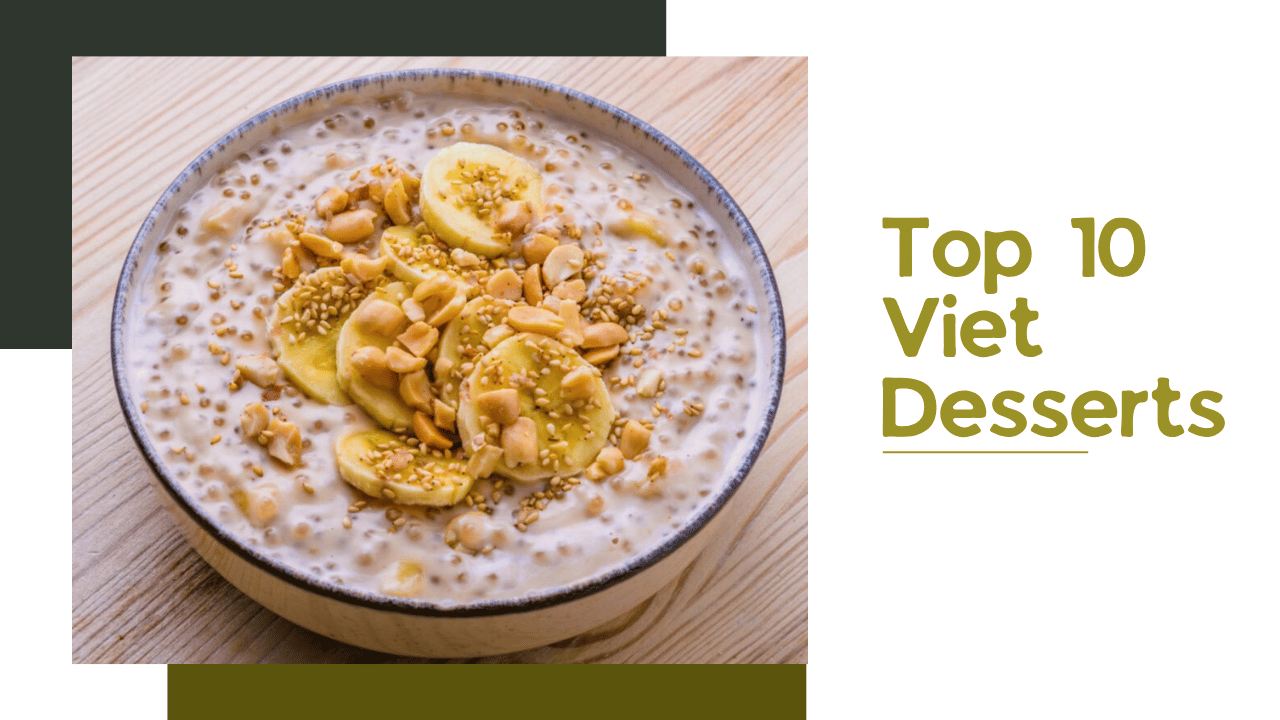
These ten Viet Desserts represent different styles of Vietnamese sweets. They include sweet soups, cakes, fried snacks, sticky rice treats, and refreshing iced desserts.
1. Chè Ba Màu: Vietnamese Three-Color Dessert
Chè Ba Màu is one of the most colorful Viet Desserts. Its name means three-color dessert, and the layers make it instantly recognizable.
This dessert usually includes red beans, mung beans, pandan jelly, coconut milk, and crushed ice. Each spoonful gives a mix of creamy, chewy, soft, and refreshing textures.
Chè Ba Màu is especially popular during warm weather. It feels cooling, fun, and satisfying without becoming too rich or heavy.
2. Chè Chuối: Banana, Tapioca, and Coconut Cream Pudding
Chè Chuối is a comforting Vietnamese banana dessert made with coconut milk. It often includes ripe bananas, tapioca pearls, sugar, and roasted peanuts.
The banana becomes soft and sweet when cooked in coconut cream. Tapioca pearls add a chewy texture that makes every spoonful more enjoyable.
This dessert can be served warm or slightly chilled. It is simple, fragrant, and perfect for anyone who loves banana-based sweets.
3. Chè Trôi Nước: Glutinous Rice Balls in Ginger Syrup
Chè Trôi Nước is a traditional dessert made with glutinous rice balls. The rice balls are usually filled with sweet mung bean paste.
They are served in warm ginger syrup, which gives the dessert a deep aroma. The ginger balances the sweetness and creates a soothing finish.
This dessert is often connected with family occasions and traditional celebrations. Its soft texture and warm syrup make it meaningful and comforting.
4. Chè Bắp: Vietnamese Sweet Corn Pudding
Chè Bắp is a sweet corn pudding with a creamy coconut flavor. It is especially loved for its simple ingredients and gentle sweetness.
Fresh corn gives the dessert a natural sweetness and slightly crisp texture. Tapioca starch or pearls help create a thick and smooth consistency.
Coconut milk is often added on top before serving. The result is fragrant, creamy, and lighter than many common puddings.
5. Chè Khúc Bạch: Almond Jelly Dessert With Lychee and Ice
Chè Khúc Bạch is a refreshing dessert with soft almond jelly. It is commonly served with lychee, syrup, crushed ice, and sliced almonds.
This dessert feels elegant because its flavors are light and delicate. The almond jelly is smooth, while the lychee adds a juicy sweetness.
Chè Khúc Bạch is a great choice for hot weather. It refreshes the palate and feels less heavy than creamy cakes or pastries.
6. Bánh Chuối Chiên: Crispy Vietnamese Fried Banana
Bánh Chuối Chiên is a popular Vietnamese street dessert made with banana. The banana is coated in batter, then fried until golden and crispy.
The outside becomes crunchy, while the inside stays soft and sweet. This contrast makes it one of the most satisfying fried Viet Desserts.
Street vendors often serve it fresh and warm. It is simple, affordable, and loved by both children and adults.
7. Bánh Flan: Vietnamese Caramel Custard
Bánh Flan shows the French influence in Vietnamese dessert culture. It is a silky caramel custard with a smooth and creamy texture.
Vietnamese versions are often served with crushed ice or coffee syrup. This gives the dessert a refreshing twist and stronger flavor.
Bánh Flan is popular because it feels familiar yet unique. It is rich enough to feel indulgent, but still light when served cold.
8. Chuối Nếp Nướng: Grilled Banana Wrapped in Sticky Rice
Chuối Nếp Nướng is made with banana wrapped in sticky rice. It is grilled until the outside becomes slightly crisp and fragrant.
The dessert is usually served with coconut sauce and roasted peanuts. These toppings add creaminess, nuttiness, and deeper flavor.
This dessert is warm, chewy, sweet, and smoky at the same time. It is one of the most memorable Viet Desserts from street food culture.
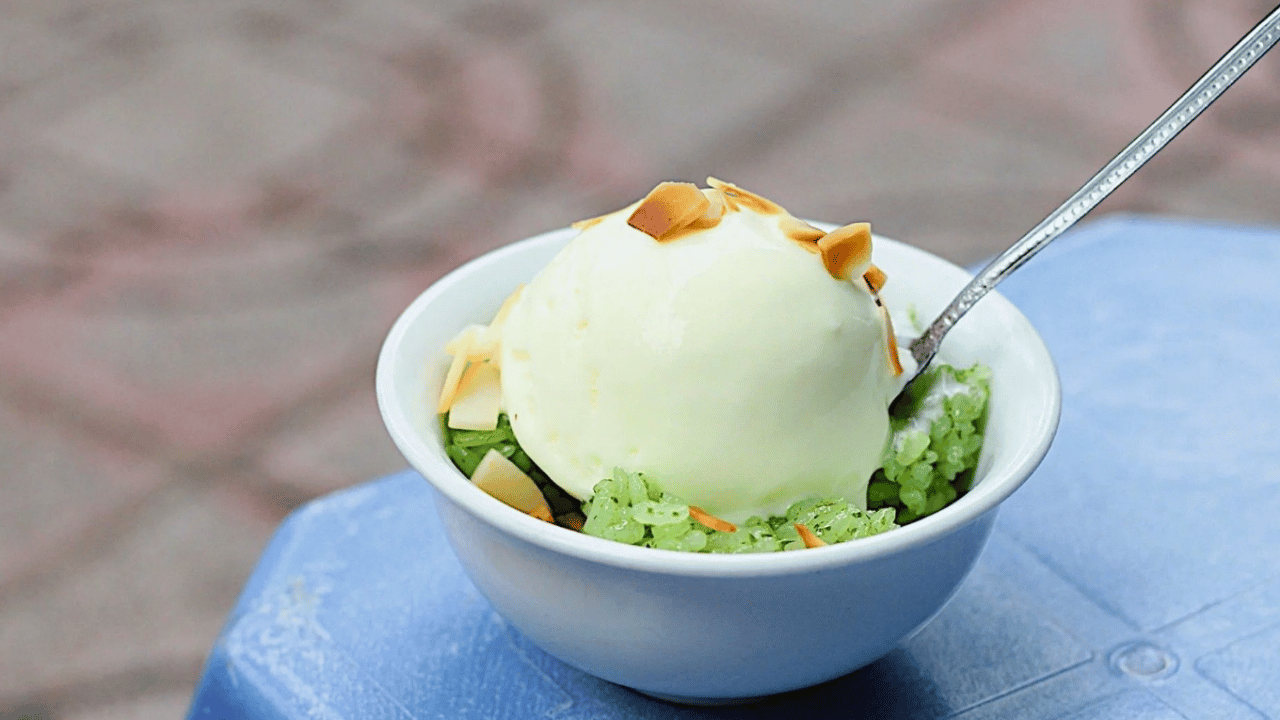
9. Kem Xôi: Coconut Ice Cream With Pandan Sticky Rice
Kem Xôi combines coconut ice cream with fragrant pandan sticky rice. The dessert balances cold creaminess with warm or chewy rice texture.
The sticky rice is often green because of pandan flavoring. It gives the dessert a beautiful color and gentle herbal aroma.
This dessert is popular among people who enjoy creative texture combinations. It feels refreshing, playful, and very different from ordinary ice cream.
10. Bò Bía Ngọt: Sweet Vietnamese Rice Paper Rolls
Bò Bía Ngọt is a sweet rice paper roll filled with simple ingredients. It often includes shredded coconut, sesame seeds, and crispy sugar candy.
The roll is light, chewy, crunchy, and pleasantly sweet. It is usually sold by street vendors as a quick snack.
This dessert proves that Vietnamese sweets do not need complicated preparation. Simple ingredients can still create something unique and memorable.
Healthier and Lighter Than Many Western Desserts
Many Viet Desserts feel lighter because they use fresh and simple ingredients. They often rely on fruit, beans, rice, coconut, and natural textures.
Fresh Ingredients and Natural Sweetness
Vietnamese desserts often use ripe bananas, corn, beans, and tropical fruits. These ingredients bring natural sweetness without depending only on refined sugar.
Coconut milk adds richness, but it also gives a fresh tropical taste. Pandan, ginger, sesame, and roasted peanuts create flavor without excessive sweetness.
Many desserts also include ice, jelly, or fruit. These elements make the dessert feel refreshing rather than dense or overwhelming.
Why Vietnamese Desserts Feel Less Heavy
Many Western desserts depend on butter, cream, frosting, and heavy flour bases. Vietnamese sweets often use rice, beans, fruit, and coconut instead.
This creates desserts with lighter textures and more refreshing finishes. Even creamy options usually feel balanced because of ice, fruit, or herbal flavors.
That does not mean every Vietnamese dessert is low in sugar. However, many Viet Desserts feel gentler and easier to enjoy after meals.
Experience Authentic Vietnamese Desserts at Saiga Vietnamese Eatery
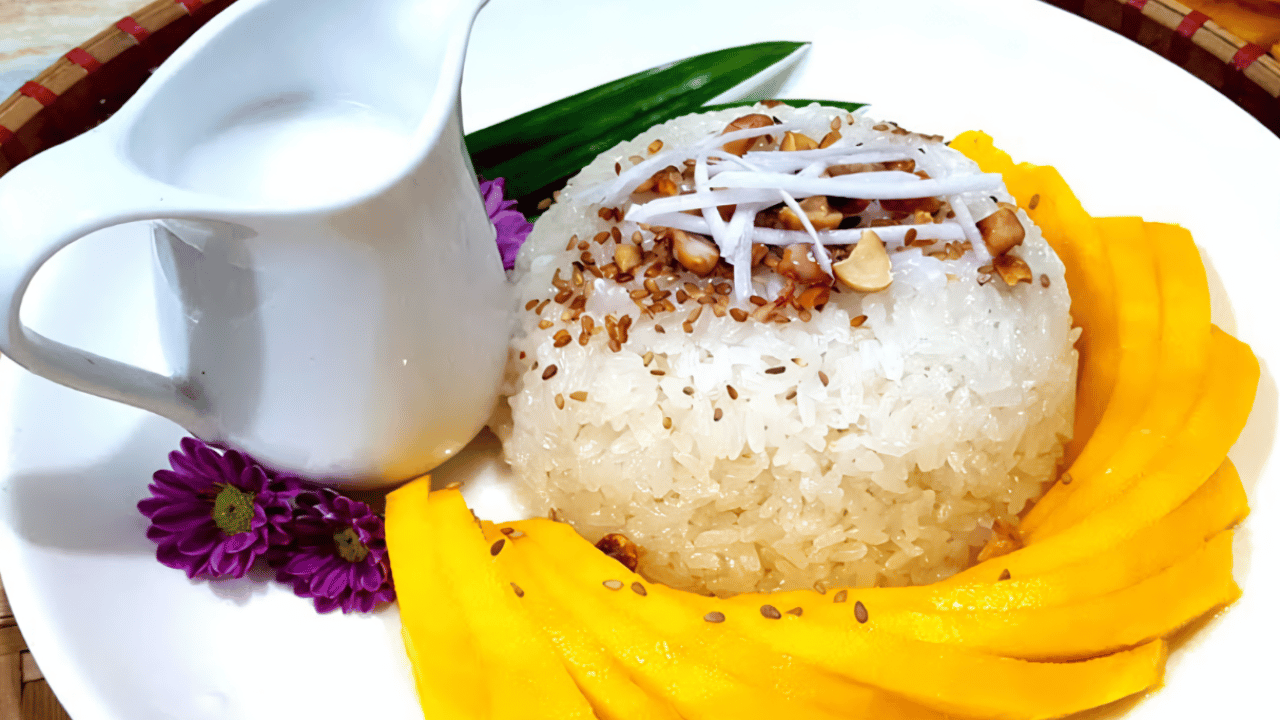
Saiga Vietnamese Eatery introduces Vietnamese flavors in a modern and approachable way. It is a helpful place to explore authentic tastes in California.
Vietnamese Drinks and Desserts to Try
Vietnamese drinks can complete the dessert experience beautifully. Vietnamese iced coffee, avocado smoothies, and sweet coconut drinks pair well with many dishes.
Cà phê sữa đá is especially popular because of its bold coffee flavor. Condensed milk gives it sweetness, creaminess, and a strong dessert-like quality.
Dessert-inspired drinks are great for guests who prefer something light. They offer sweetness and refreshment without needing a full dessert plate.
Authentic Vietnamese Flavors in California
Saiga Vietnamese Eatery brings Vietnamese flavors to customers looking for fresh meals. Its menu helps introduce people to Vietnamese ingredients, textures, and food culture.
Guests can enjoy savory dishes before exploring sweet Vietnamese flavor inspirations. This makes the dining experience feel complete, balanced, and memorable.
For many customers, Vietnamese desserts are a gateway into deeper cultural appreciation. They show how Vietnamese cuisine values freshness, comfort, and creativity.
Final Thoughts on Traditional Viet Desserts
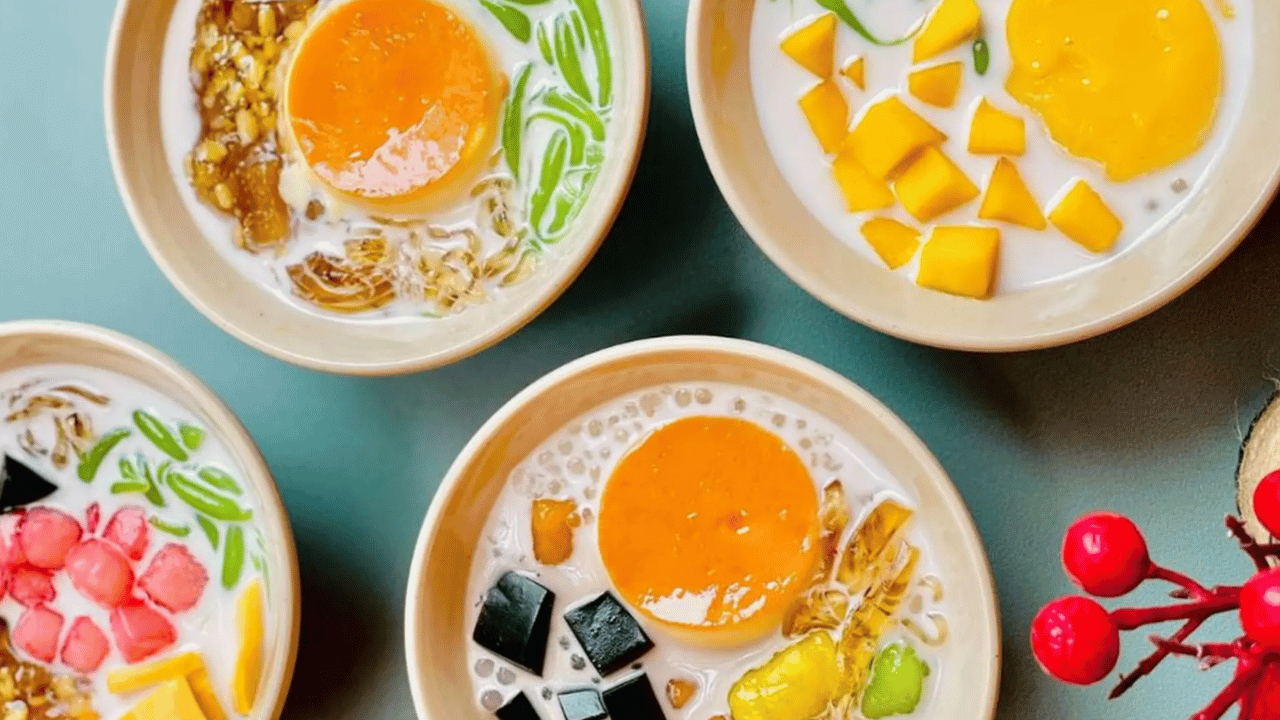
Traditional Viet Desserts are colorful, comforting, and full of cultural meaning. They offer many choices for people who enjoy fresh and balanced sweets.
From Chè Ba Màu to Bánh Flan, every dessert has its own personality. Some are creamy, some are chewy, some are crispy, and others are refreshing.
These desserts also show the beauty of Vietnamese food traditions. Simple ingredients become special through texture, balance, and thoughtful preparation.
FAQ
-
Some of the most popular Viet Desserts include Chè Ba Màu, Chè Chuối, Bánh Flan, Kem Xôi, and Chuối Nếp Nướng. These desserts are loved for their tropical flavors, soft textures, and refreshing sweetness.
-
Most Vietnamese desserts are lighter and less sweet than many Western desserts. They often use coconut milk, fruit, beans, and natural ingredients instead of heavy cream or excessive sugar.
-
Common ingredients in Viet Desserts include sticky rice, coconut milk, tapioca pearls, mung beans, pandan, bananas, sesame seeds, and tropical fruits like lychee or jackfruit.
-
Vietnamese desserts can be served both hot and cold depending on the recipe. Desserts like Chè Trôi Nước are usually warm, while Chè Ba Màu and Chè Khúc Bạch are commonly served with ice.
-
You can explore authentic Vietnamese flavors and dessert-inspired drinks at restaurants like Saiga Vietnamese Eatery, which offers traditional Vietnamese food and refreshing beverages inspired by Vietnamese cuisine.
