
Viet Foods: 5 Popular Dishes You Must Try
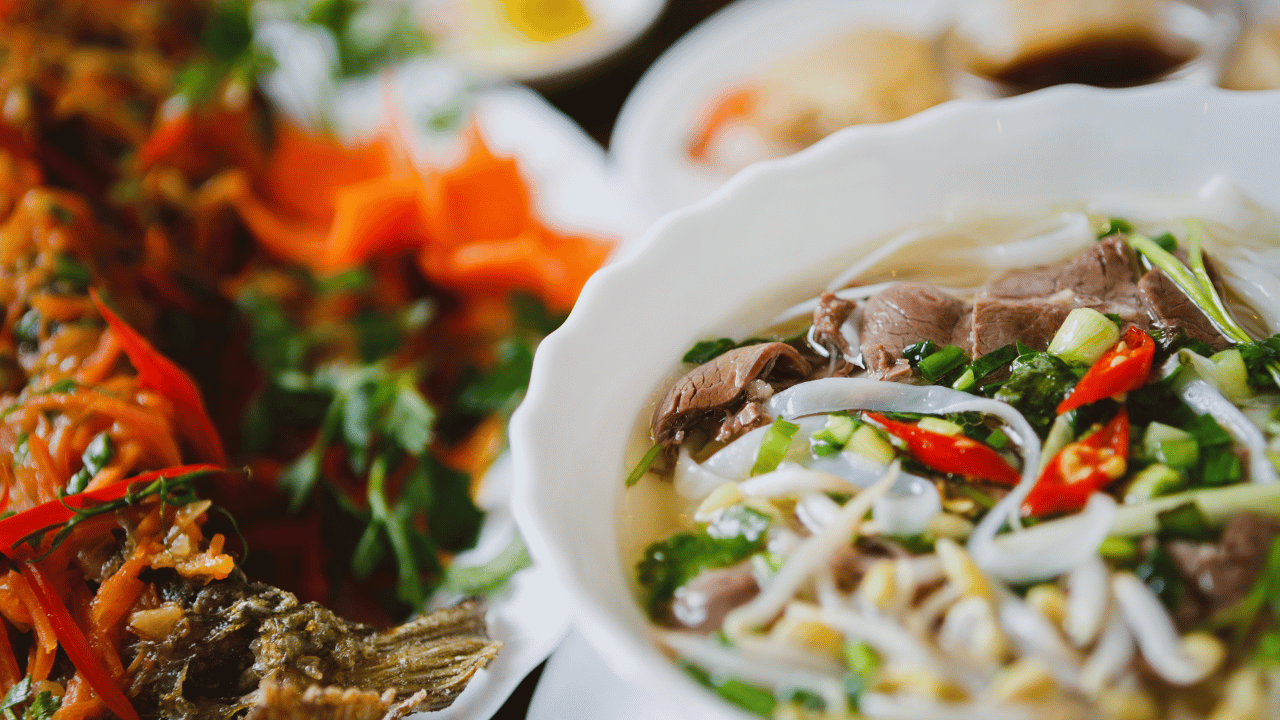
Vietnam has built a global reputation for food that feels fresh, balanced, and deeply satisfying. Viet foods combine bold flavors, nutritious ingredients, and cultural traditions that continue attracting food lovers worldwide. From steaming noodle soups to crispy pancakes and flavorful street snacks, Vietnamese cuisine offers remarkable variety. Many dishes are simple in preparation, yet layered in taste and texture. This makes Vietnamese food approachable for beginners and exciting for experienced food enthusiasts.
What makes Viet foods especially appealing is their balance between comfort and freshness. Herbs, vegetables, broths, grilled meats, and rice-based staples create meals that feel light but filling. Across cities, villages, and global food scenes, these dishes continue gaining popularity. If you want to explore the best of Vietnamese cuisine, these five dishes offer a perfect starting point.
5 Most Popular Viet Foods You Should Know
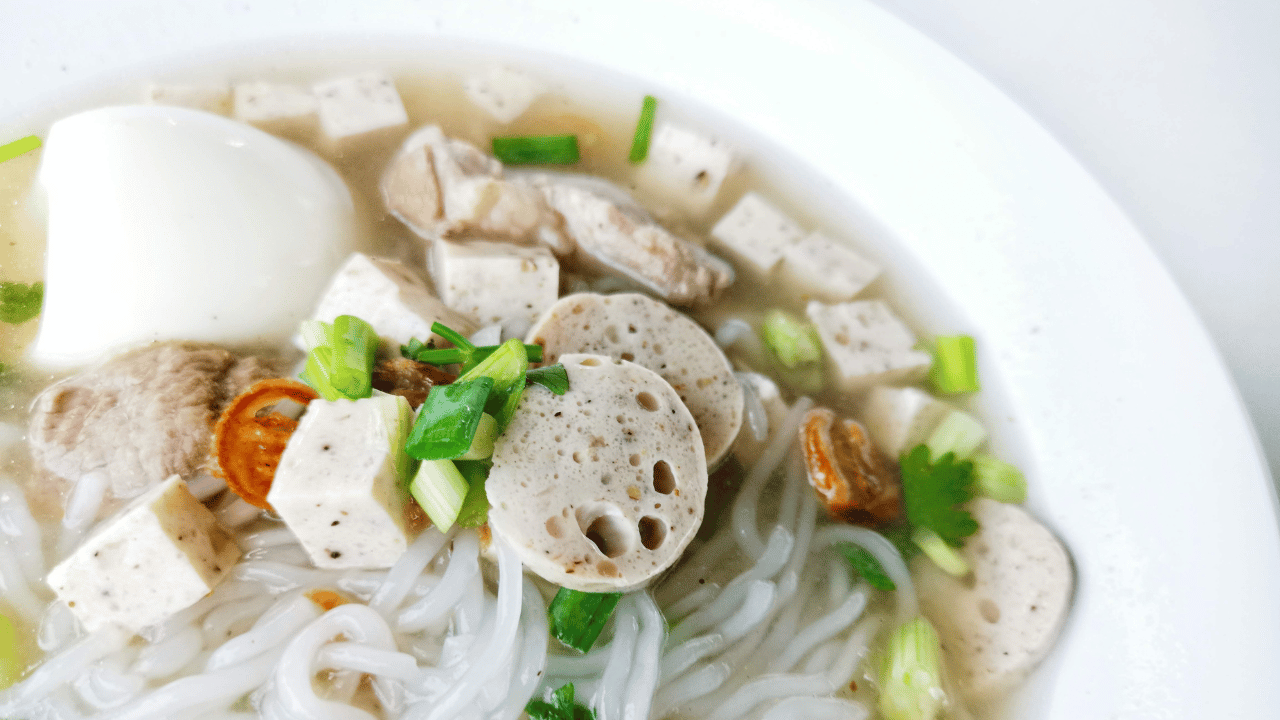
These signature dishes represent the heart of Vietnamese culinary culture. Each dish highlights different flavors, cooking techniques, and regional traditions.
1. Pho – Vietnam’s Iconic Noodle Soup
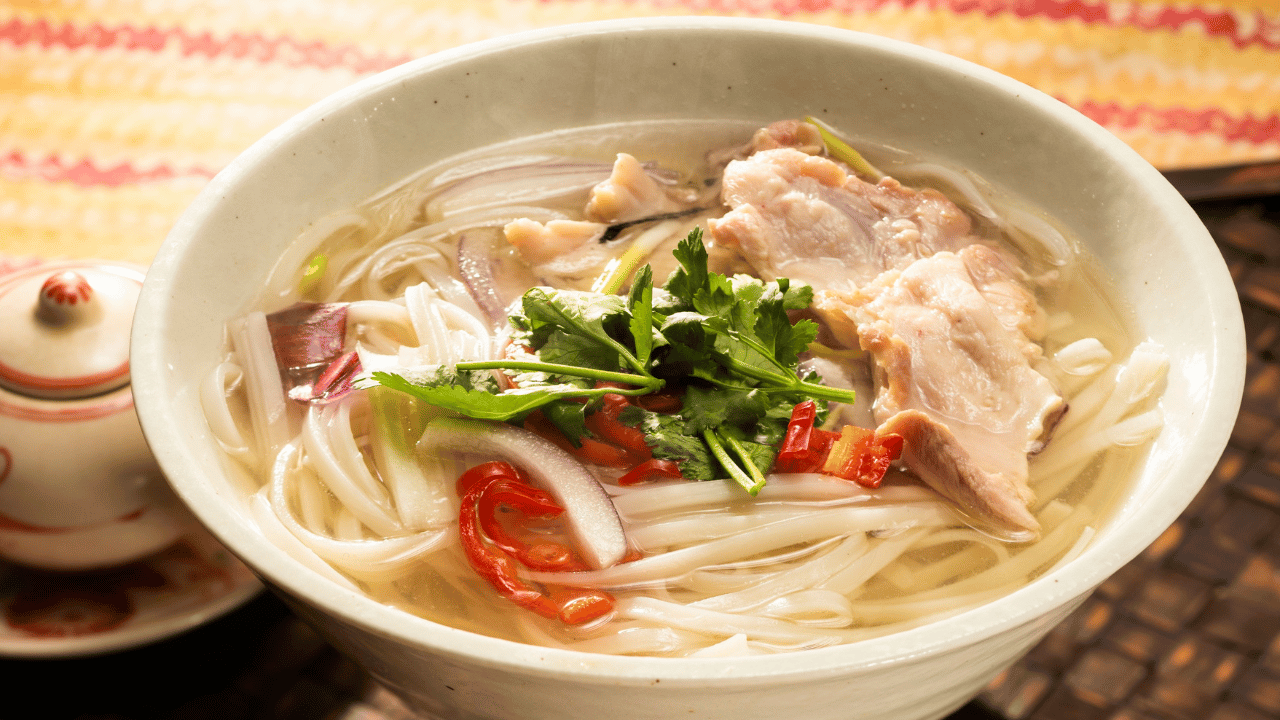
Among all Viet foods, pho may be the most recognized around the world. This famous noodle soup combines aromatic broth, rice noodles, herbs, and sliced meat. Beef pho and chicken pho remain the most popular variations. Slow-simmered broth creates deep flavor through spices like star anise and cinnamon.
Pho is often enjoyed as breakfast in Vietnam, though it suits any time of day. Fresh basil, bean sprouts, lime, and chili allow each bowl to be customized. Every ingredient adds another layer of texture and brightness. This balance makes pho comforting without feeling heavy.
Regional differences make pho even more interesting. Northern pho often has cleaner broth with simpler toppings. Southern versions usually include sweeter notes and larger herb platters. Both styles show why pho remains one of the defining Viet foods.
Its popularity also comes from versatility. It can be hearty enough for a full meal or light enough for casual dining. For many travelers, pho becomes their introduction to Vietnamese cuisine. It often inspires deeper exploration into other traditional dishes.
2. Banh Mi – The Famous Vietnamese Sandwich
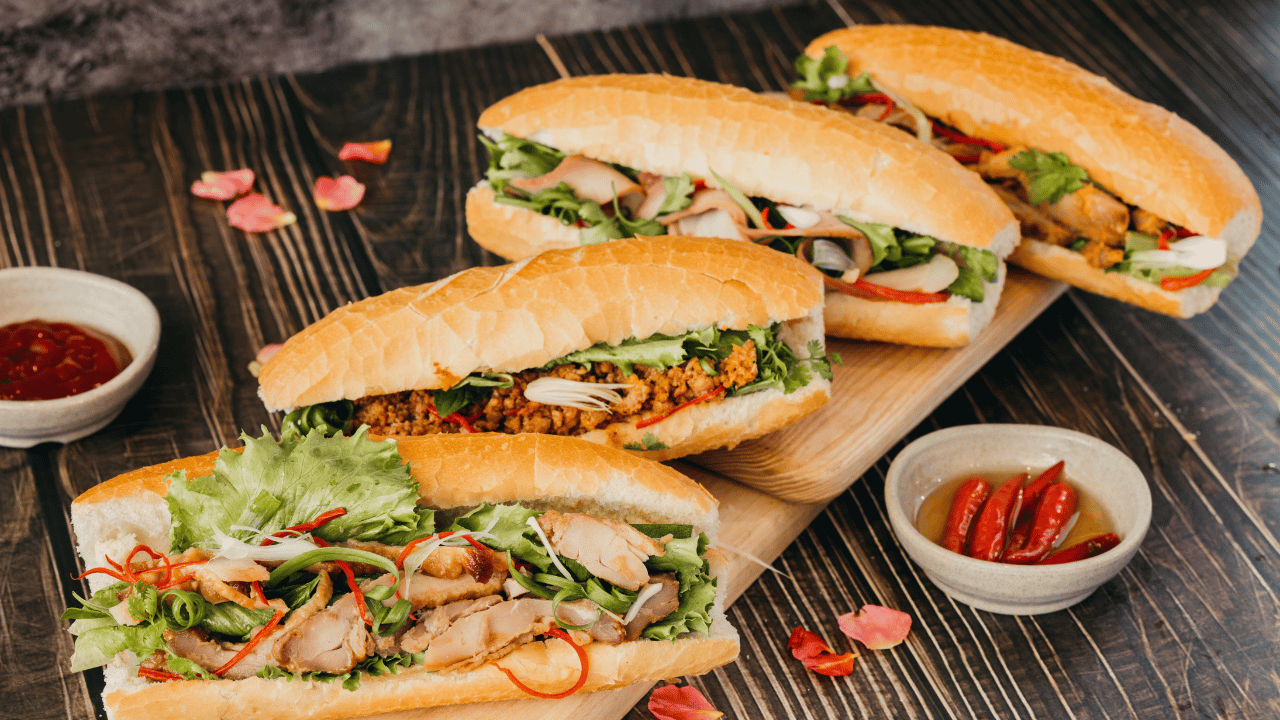
Banh mi reflects the fusion influences found throughout Viet foods. It combines a crisp baguette with savory fillings, herbs, vegetables, and sauces. Popular fillings include grilled pork, pate, chicken, and pork belly. Pickled carrots and daikon add refreshing crunch.
Every bite balances softness, crisp texture, richness, and acidity. This layered contrast makes banh mi far more than an ordinary sandwich. It works equally well as breakfast, lunch, or a quick street food meal. That flexibility helped it gain worldwide popularity.
Regional styles create many versions worth trying. Some feature cold cuts and pate, while others focus on grilled meats. Vegetarian banh mi options have also become increasingly popular. These variations keep the dish exciting across generations.
Banh mi represents accessibility within Viet foods. It delivers strong flavor without complexity for first-time diners. Street vendors often serve excellent versions at affordable prices. That combination of convenience and taste keeps it beloved globally.
3. Bun Cha – Hanoi’s Grilled Pork Specialty
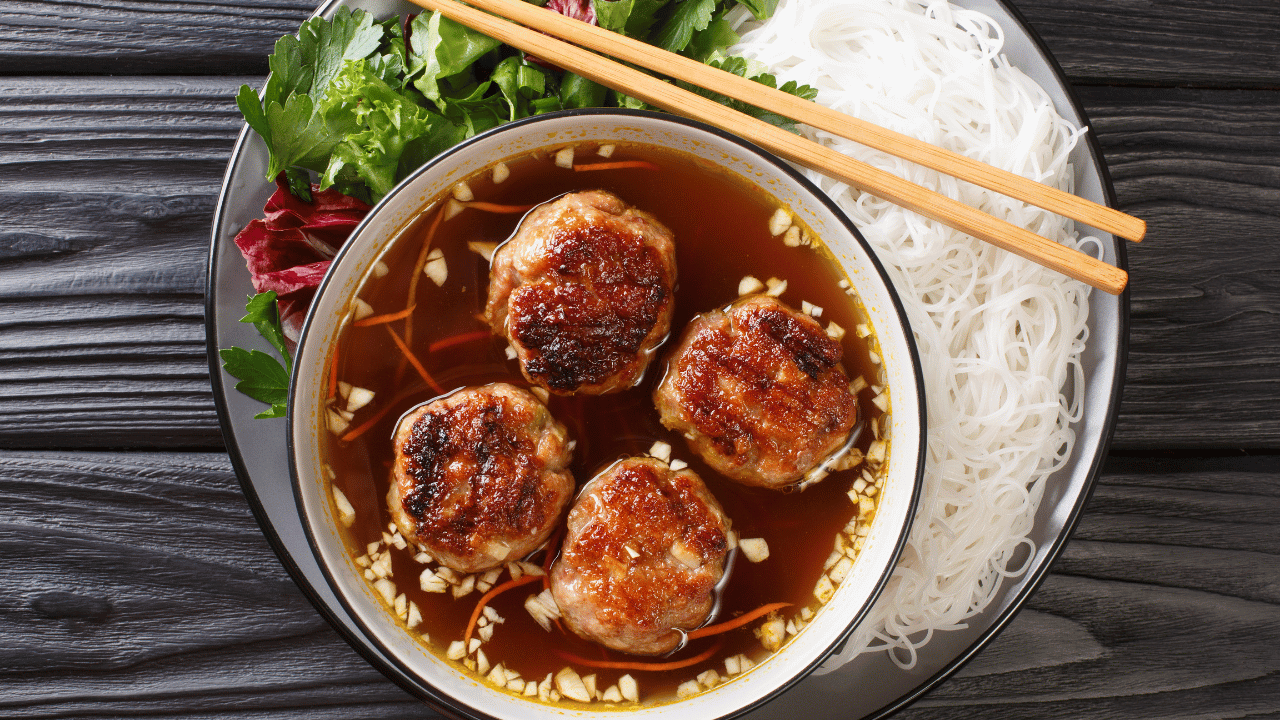
Bun cha offers a completely different experience from pho while remaining essential among Viet foods. This Hanoi classic features grilled pork served with rice noodles and dipping broth. Fresh herbs and vegetables complete the meal. Each component contributes something unique.
The smoky pork is often the dish’s biggest attraction. Grilled patties and marinated pork slices add rich savory flavor. The dipping sauce balances sweetness, acidity, and umami. Together, they create remarkable harmony.
Eating bun cha feels interactive and enjoyable. Diners combine noodles, herbs, pork, and sauce in each bite. That hands-on style makes the meal memorable and satisfying. It also reflects communal aspects common in Vietnamese dining.
Many consider bun cha one of Hanoi’s signature culinary experiences. Travelers often seek authentic versions in local street stalls. Though simple in appearance, its flavor depth is impressive. This dish proves Viet foods can be both humble and extraordinary.
4. Goi Cuon – Fresh Vietnamese Spring Rolls
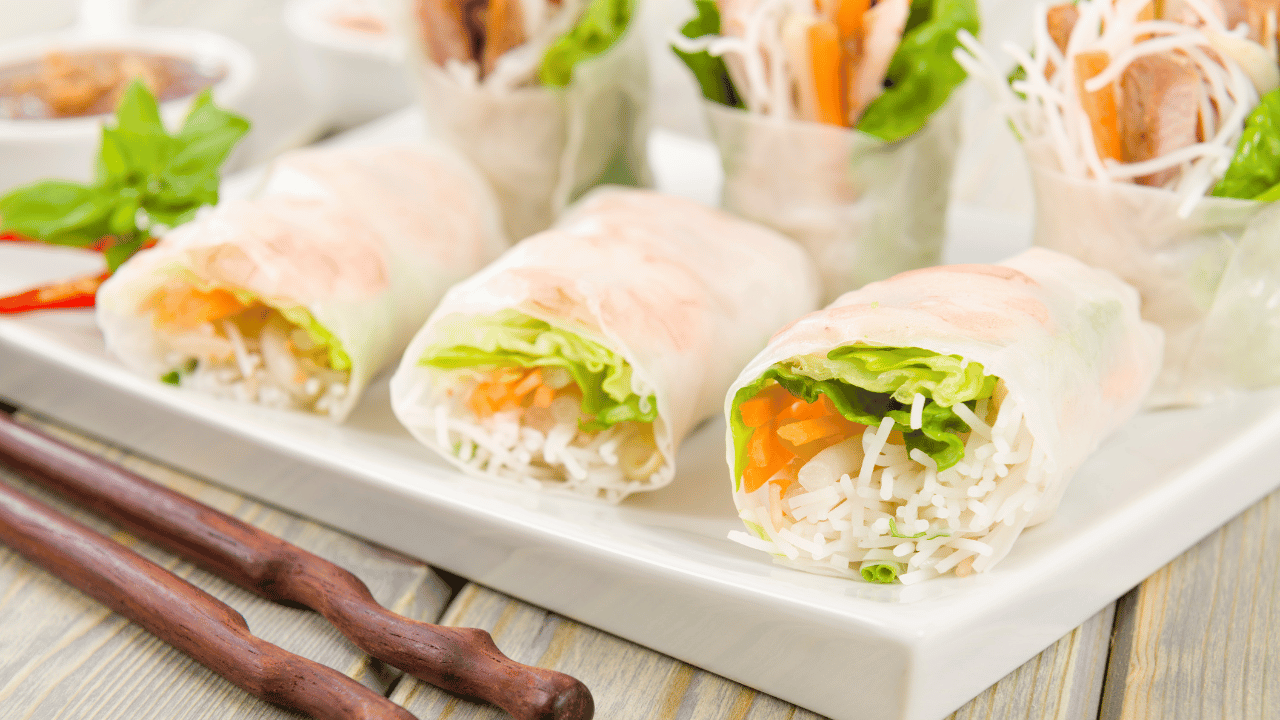
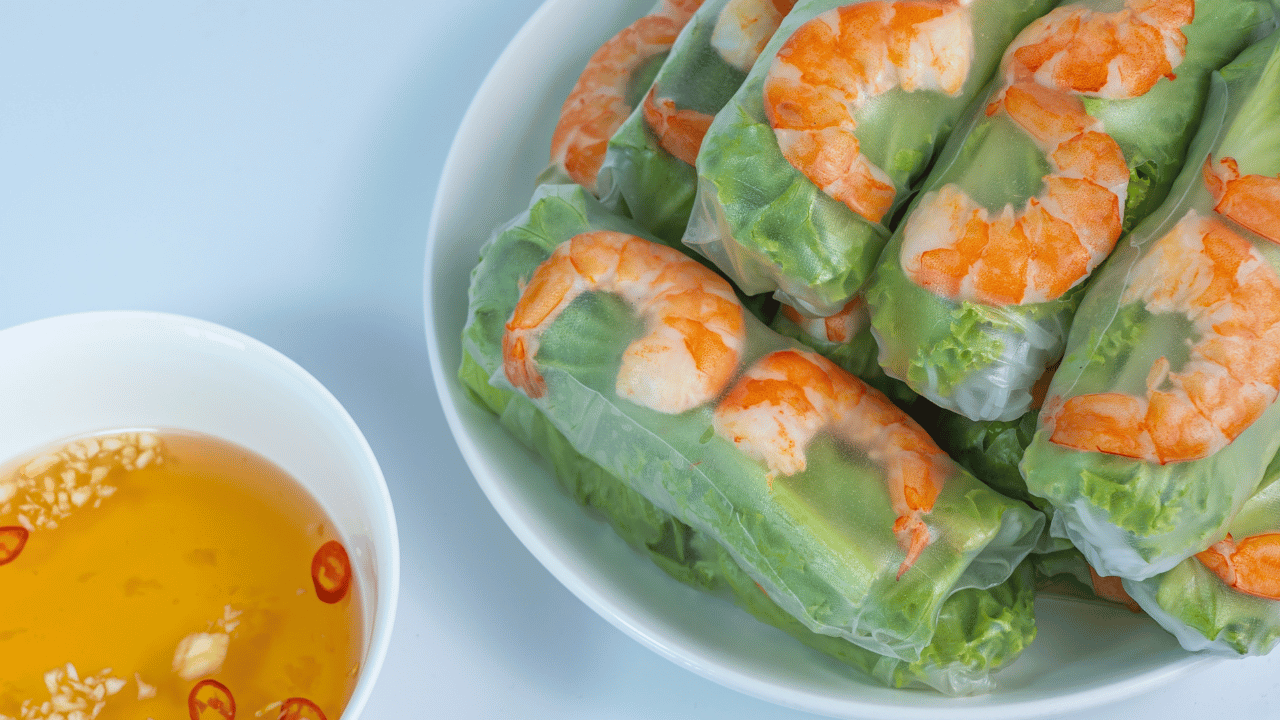
For those seeking lighter Viet foods, goi cuon is a perfect example. These fresh spring rolls contain herbs, vermicelli noodles, shrimp, pork, or tofu. Rice paper wraps hold everything together with delicate texture. They are usually served with dipping sauce.
Freshness defines this dish. Crisp vegetables and fragrant herbs create bright flavors in every bite. Unlike fried appetizers, goi cuon feels refreshing and light. That makes them popular among health-conscious diners.
Peanut sauce often adds creamy richness, while fish sauce versions offer sharper flavor. Each dip changes the experience slightly. This simple dish shows how Vietnamese cuisine often relies on balance rather than heaviness. Even minimal ingredients can feel deeply satisfying.
Goi cuon also showcases the healthier side of Viet foods. It emphasizes raw vegetables, lean protein, and minimal oil. Many people new to Vietnamese cuisine start with spring rolls. They provide an easy introduction to traditional flavors.
5. Banh Xeo – Crispy Vietnamese Savory Pancake
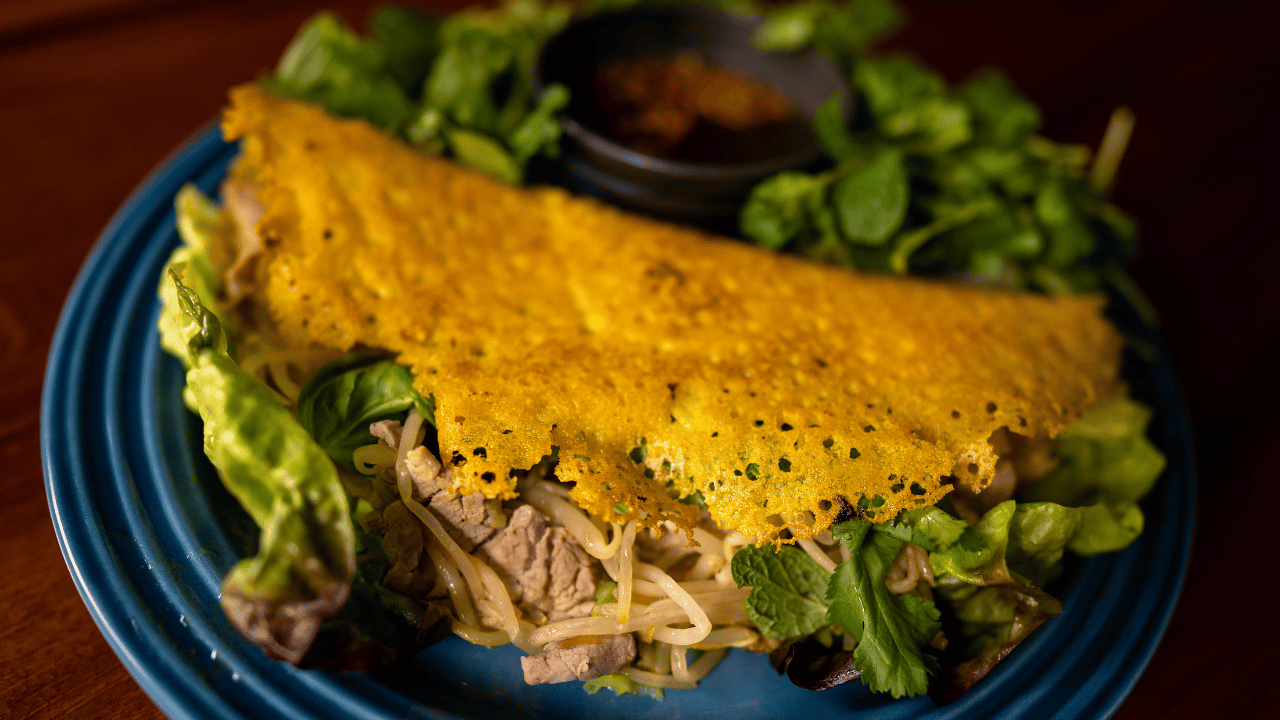
Banh xeo brings texture and excitement to the world of Viet foods. This savory pancake is made from rice flour and turmeric batter. It often contains shrimp, pork, bean sprouts, and herbs. When cooked properly, it becomes wonderfully crisp.
Its name reflects the sizzling sound made during cooking. That sound alone adds charm to the dish’s identity. Diners often wrap pieces in lettuce with herbs before dipping them. This creates layers of crunch, freshness, and savory richness.
Banh xeo varies by region, which adds even more appeal. Some versions are large and thin, while others are smaller and thicker. Fillings may change based on local traditions. Every variation highlights Vietnamese creativity.
This dish often surprises newcomers exploring Viet foods. It feels comforting yet dynamic, rich yet balanced. Crisp textures and fresh herbs prevent it from feeling too heavy. That contrast helps make it unforgettable.
Health Benefits of Traditional Viet Foods
One reason Vietnamese cuisine attracts so much attention is its nutritious reputation. Many traditional dishes combine flavor and wellness naturally.
Fresh Ingredients and Nutritional Value
Many Viet foods rely on herbs, vegetables, rice noodles, and lean proteins. Fresh ingredients contribute vitamins, minerals, and fiber without excessive processing. Meals often include basil, mint, cilantro, and leafy greens. These additions support both flavor and nutrition.
Broth-based dishes can also provide lighter alternatives to cream-heavy cuisines. Grilled meats often replace heavily fried proteins in many meals. This keeps dishes satisfying while reducing excess heaviness. It supports balanced eating habits.
Traditional Vietnamese meals often include many textures and food groups together. That variety can contribute to more complete nutrition. Even simple street foods may include vegetables, protein, and herbs. This is part of what makes Viet foods distinctive.
Light Yet Flavorful Meals
Many people appreciate how Viet foods feel flavorful without being overly rich. Bright sauces, herbs, and broths deliver strong taste naturally. This reduces dependence on heavy fats or excessive seasoning. The result often feels lighter while staying satisfying.
Rice noodles and fresh vegetables also contribute to this lighter character. Meals can feel substantial without causing heaviness afterward. That balance appeals to diners seeking both taste and comfort. It is one reason Vietnamese cuisine suits many lifestyles.
Even richer dishes often include fresh herbs and vegetables for contrast. This keeps flavors vibrant rather than overwhelming. Such balance appears across many traditional dishes. It reflects a core strength of Vietnamese cooking.
Why Viet Foods Fit Modern Healthy Eating Trends
Modern diners often seek meals that feel fresh, balanced, and ingredient-driven. Viet foods naturally align with those preferences. Many dishes emphasize whole ingredients and minimal processing. That approach feels increasingly relevant today.
Vietnamese cuisine also adapts easily to dietary preferences. Vegetarian, gluten-conscious, and lighter protein options are widely available. This flexibility supports evolving eating habits. It also broadens global appeal.
As wellness trends grow, many people rediscover traditional cuisines offering natural balance. Vietnamese food fits this movement well. It combines flavor, freshness, and moderation in practical ways. That keeps Viet foods highly relevant in modern dining.
Why These Viet Foods Are So Popular Worldwide
Global interest in Vietnamese cuisine continues expanding for many reasons. Flavor, affordability, and freshness all contribute to that growing popularity.
Flavor Balance of Sweet, Sour, Salty, and Umami
One defining trait of Viet foods is flavor balance. Sweetness, acidity, saltiness, and savory depth often coexist harmoniously. Few cuisines handle this balance so naturally. It creates complexity without overwhelming the palate.
Fish sauce, lime, herbs, and broths often contribute to this layered character. Even simple dishes can taste multidimensional. That complexity keeps meals interesting from first bite to last. It encourages repeat enjoyment.
This balance also helps Vietnamese food appeal internationally. Flavors feel bold yet approachable. They can satisfy adventurous eaters and casual diners alike. That universal appeal supports worldwide popularity.
Healthy Ingredients and Fresh Preparation
Fresh preparation helps distinguish Viet foods from many fast casual alternatives. Herbs are often added moments before serving. Vegetables maintain texture and brightness. This creates meals that feel lively and vibrant.
Freshness also enhances aroma and flavor naturally. Ingredients shine rather than hiding beneath heavy sauces. Many diners appreciate this cleaner culinary style. It aligns strongly with contemporary food preferences.
Because freshness plays such a central role, Vietnamese dishes often feel authentic and memorable. They deliver sensory appeal through aroma, color, and texture. This makes the cuisine highly engaging. It helps explain global fascination with Viet foods.
Affordable Street Food With Authentic Taste
Street food culture has helped spread appreciation for Viet foods worldwide. Many iconic dishes began as accessible everyday meals. They remain affordable while delivering remarkable flavor. This creates strong appeal for locals and travelers alike.
Food stalls often focus on mastering one specialty dish. That dedication often results in exceptional quality. Even inexpensive meals can feel unforgettable. This value contributes heavily to Vietnamese cuisine’s reputation.
Affordable pricing also encourages exploration. Diners can sample multiple dishes without major expense. That makes discovering Viet foods enjoyable and approachable. Few cuisines combine quality and value so effectively.
Is Vietnamese Food Healthy?
Many people ask whether Vietnamese cuisine is healthy, and often the answer is yes. Much depends on ingredients and preparation, but traditional Viet foods generally emphasize balance. Fresh herbs, vegetables, lean proteins, and broths appear frequently. These ingredients support lighter eating patterns.
Many dishes avoid excessive cream, butter, or heavy frying. Even richer foods often include fresh vegetables to create contrast. This helps meals feel balanced rather than overly indulgent. Moderation is often built into traditional dining.
Portion styles also contribute to this perception. Meals often include varied components instead of one dominant heavy element. Broths, greens, noodles, and proteins work together harmoniously. This diversity can support more balanced nutrition.
Of course, healthier choices still depend on dish selection. Fresh spring rolls may differ nutritionally from fried snacks. Grilled dishes may be lighter than richer preparations. Still, many people consider Viet foods among the healthier global cuisines.
Where to Try Authentic Vietnamese Food
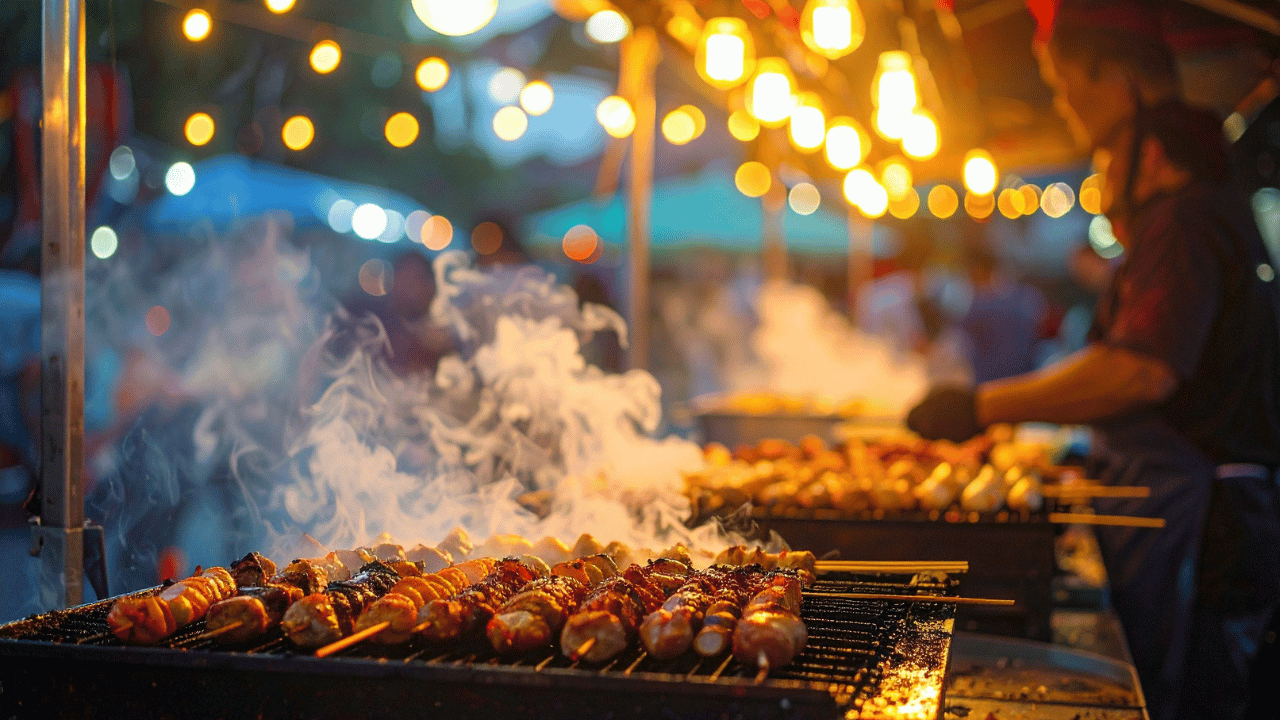
Experiencing authentic Viet foods often starts with Vietnamese communities and traditional restaurants. Family-run establishments frequently preserve regional recipes and cooking traditions. These places often prioritize authenticity over adaptation. That can lead to memorable dining experiences.
Street food markets are another excellent option when visiting Vietnam. Many iconic dishes are best enjoyed where they originated. Local vendors often prepare specialties refined over generations. Those experiences can reveal the true spirit of Vietnamese cuisine.
Different regions also offer distinct specialties worth exploring. Hanoi is famous for bun cha and northern pho styles. Ho Chi Minh City offers dynamic street food culture and southern influences. Central Vietnam contributes many unique regional dishes as well.
Outside Vietnam, many cities have excellent Vietnamese dining scenes. Look for restaurants emphasizing fresh herbs, traditional broths, and regional specialties. Asking for house specialties can uncover hidden gems. Exploring authentic Viet foods often begins with curiosity.
Start Your Vietnamese Food Journey Today
Exploring Viet foods offers much more than trying new meals. It opens a doorway into culture, history, and culinary craftsmanship. From pho and banh mi to bun cha and banh xeo, every dish tells a story. Each flavor combination reflects generations of tradition.
Vietnamese cuisine appeals because it balances comfort, freshness, and excitement so naturally. It can feel familiar while still offering discovery. That rare combination keeps people returning again and again. Few cuisines create that experience so consistently.
Whether you begin with a neighborhood Vietnamese restaurant or a future trip to Vietnam, the journey is rewarding. Start with the five iconic dishes covered here. Explore beyond them as your curiosity grows. The world of Viet foods has far more delicious discoveries waiting.
FAQ
-
Some of the most popular Viet foods include pho, banh mi, bun cha, goi cuon, and banh xeo. These dishes represent classic Vietnamese flavors and are widely enjoyed both in Vietnam and internationally.
-
Description text goes hereYes, many Viet foods are considered healthy because they often use fresh herbs, vegetables, lean proteins, and light broths. Traditional Vietnamese dishes are known for balanced nutrition and fresh preparation.
-
Viet foods stand out for their balance of sweet, sour, salty, and umami flavors. Fresh ingredients, aromatic herbs, and regional cooking traditions also make Vietnamese cuisine unique.
-
If you are new to Viet foods, start with pho, banh mi, or fresh goi cuon. These dishes are approachable, flavorful, and offer a great introduction to Vietnamese cuisine.
-
You can try authentic Viet foods at traditional Vietnamese restaurants, local street food markets, or Vietnamese communities known for regional specialties. Visiting Vietnam also offers the most authentic culinary experience.
