
Vietnam Pho: History of Noodle Soup of Vietnam
There are few dishes in the world that can claim to embody the soul of an entire nation quite like vietnam pho. This aromatic noodle soup, with its fragrant broth, silky rice noodles, and tender slices of meat, has transcended its humble origins to become one of the most beloved culinary exports from Southeast Asia. Whether enjoyed at a bustling street stall in Hanoi's Old Quarter or a trendy restaurant in New York City, vietnam pho offers a sensory experience that captivates food lovers across cultures and continents. But beyond its delicious taste lies a rich tapestry of history, regional diversity, and cultural significance that makes pho much more than just a bowl of soup—it is a testament to Vietnam's resilience, creativity, and enduring spirit.
The Rich History and Origins of Vietnam Pho
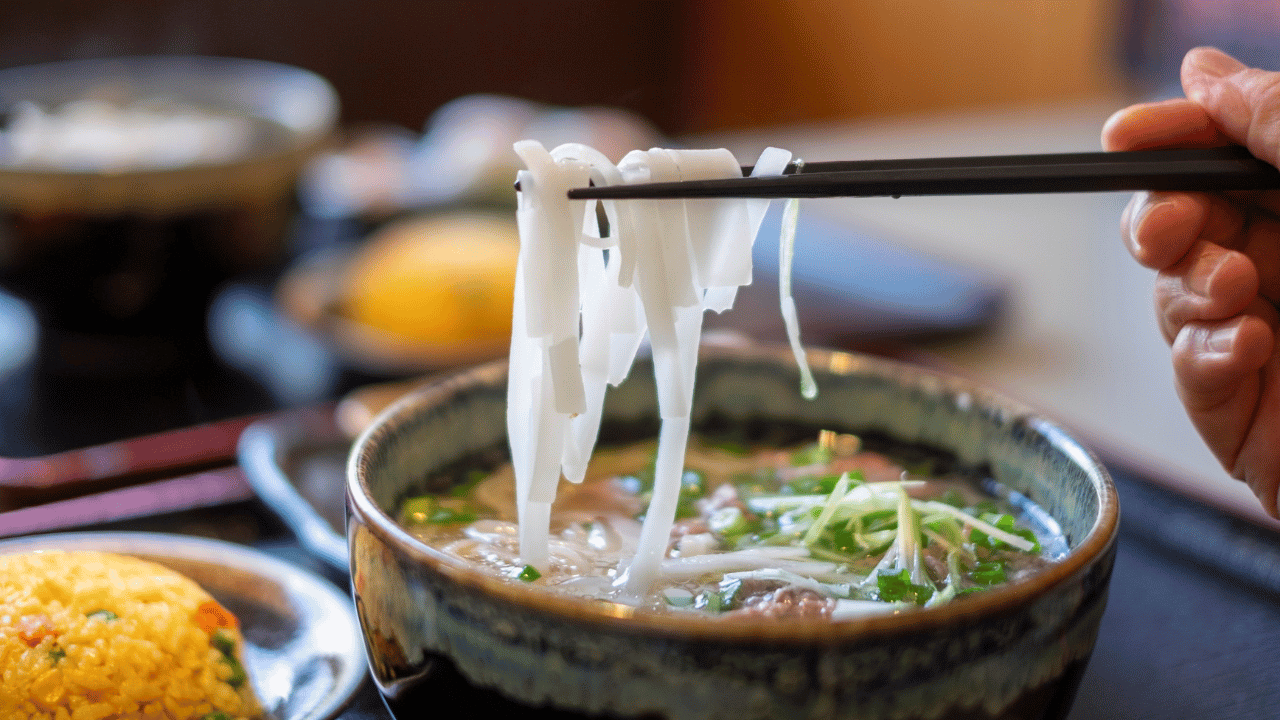
The story of vietnam pho begins in the late 19th century, during the height of French colonial rule in Vietnam. While the exact origins remain shrouded in legend, most culinary historians agree that pho emerged from the intersection of Vietnamese, Chinese, and French culinary traditions in Nam Dinh province, located in the Red River Delta. This agricultural region, known for its beautiful churches and as the birthplace of the 13th-century national hero Tran Hung Dao, would ultimately give Vietnam its most famous culinary gift to the world.
The creation of vietnam pho was directly influenced by French colonial demand for beef. As the French introduced beef consumption to Vietnam on a larger scale, Vietnamese and Chinese vendors found themselves with an abundant supply of beef bones that would otherwise go to waste. These bones became the foundation of what would evolve into pho's distinctive broth. The dish itself evolved from "xáo trâu," a simple noodle soup made with water buffalo meat that was popular among working-class Vietnamese. As beef became more available, buffalo meat was gradually replaced, and the broth was refined through the addition of charred onions, ginger, and aromatic spices.
By the early 20th century, vietnam pho had gained significant traction in Hanoi, Vietnam's capital. The city's unique intersection of historical and cultural factors provided the perfect environment for pho to flourish. Migrant workers from China's Yunnan and Guangdong provinces were particularly drawn to the dish due to its similarities to noodle soups from their homeland. By the 1930s, "gánh phở"—roaming vendors carrying mobile kitchens suspended on bamboo poles—had become an iconic sight throughout Hanoi's Old Quarter. These vendors would set up shop along sidewalks from the early morning hours, shrouded in clouds of steam, assembling each bowl to order for hungry customers.
The partition of Vietnam in 1954 marked a pivotal moment in pho's history. As millions of northerners migrated south to escape communist rule, they brought their beloved noodle soup with them. This mass migration sparked what many food historians call the "great pho divide"—the emergence of distinct northern and southern styles that continue to define vietnam pho today. The dish also survived periods of severe privation, including wartime shortages that resulted in meager bowls hitting the streets. Yet through it all, pho remained deeply entwined with the Vietnamese national psyche, celebrated by poets like Tu Mo in his famous "Ode to Pho," which praised the soup's subtle flavors and egalitarian nature—a dish beloved by both rich and poor alike.
Regional Variations of Vietnam Pho
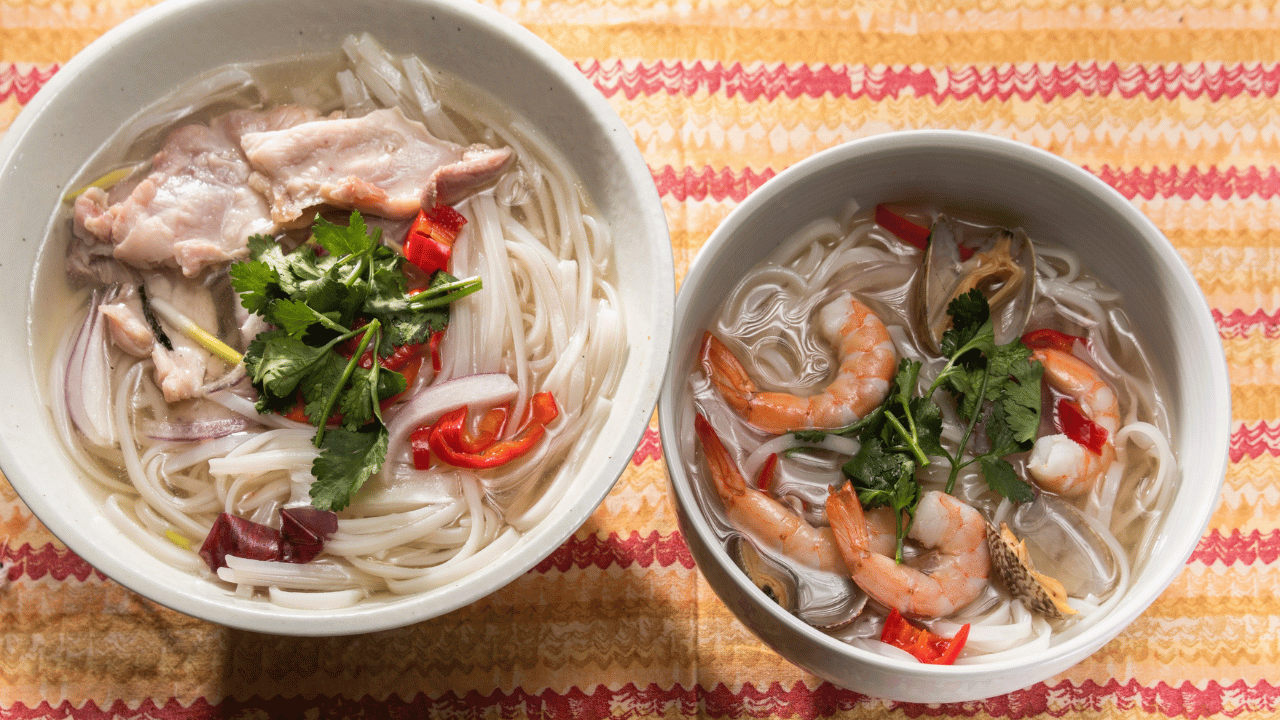
One of the most fascinating aspects of vietnam pho is how dramatically it transforms as you travel from north to south within Vietnam. These regional variations reflect not only differences in local ingredients and preferences but also the distinct cultural identities that have developed throughout the country's tumultuous history.
Northern Style Pho (Phở Bắc)
Northern vietnam pho, particularly the version found in Hanoi, is considered by purists to be the most authentic expression of the dish. Hanoi pho is characterized by its delicate, clear broth that emphasizes the pure essence of beef bones without overwhelming sweetness. The broth is typically simmered for hours with minimal seasoning, allowing the natural flavors of the meat and bones to shine through.
The garnishes in northern pho are notably simple and restrained. A traditional bowl might include only thinly sliced scallions, a few cilantro leaves, and perhaps some chili slices. The philosophy here is that less is more—the broth itself is the star, and excessive garnishes would only distract from its subtle complexity. Northern pho is also distinguished by its use of wider, flatter rice noodles and the absence of bean sprouts as a standard topping. When dining in Hanoi, you'll typically find pho served with fried dough sticks called "quẩy" on the side, perfect for dipping into the savory broth.
Southern Style Pho (Phở Nam)
When vietnam pho traveled south with refugees in 1954, it encountered a land of plenty that fundamentally transformed the dish. Southern pho, particularly in Ho Chi Minh City (formerly Saigon), is noticeably sweeter than its northern counterpart, with chefs adding rock sugar or even caramelized sugar to their broth. This sweetness creates a more rounded, approachable flavor profile that many find more immediately appealing than the austere northern version.
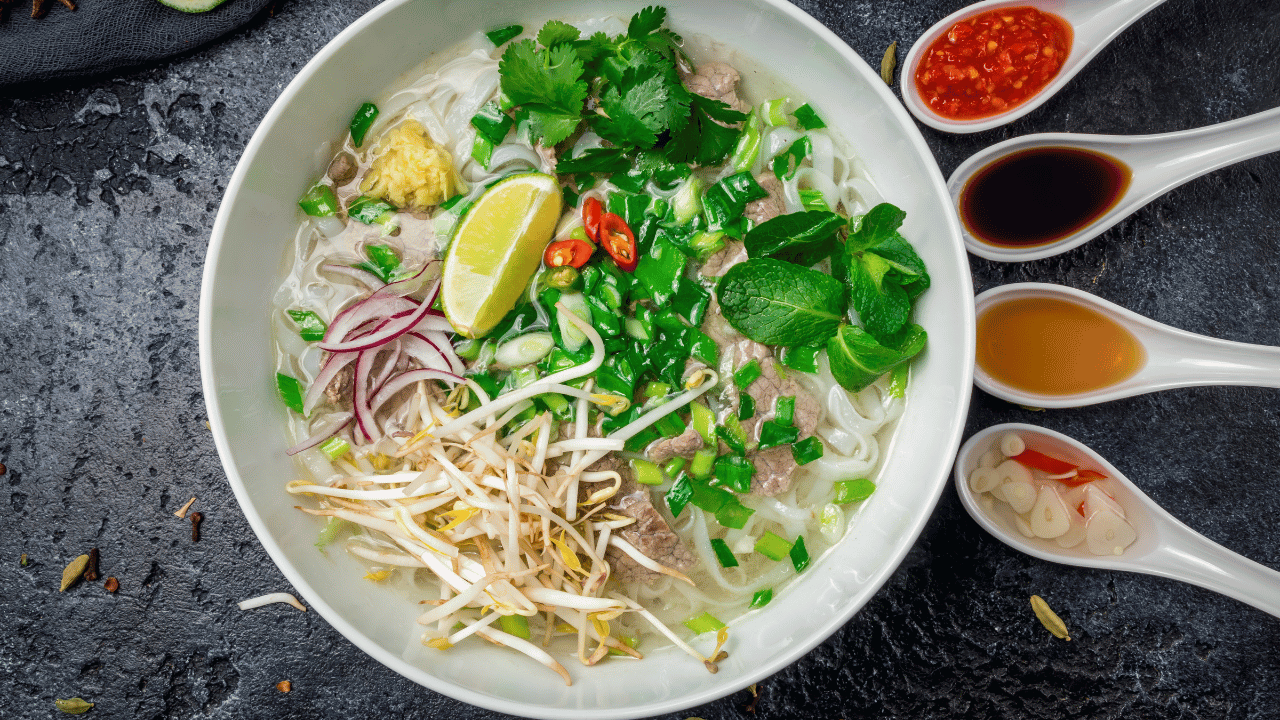
The southern style is also far more generous with garnishes and accompaniments. A typical bowl of southern pho arrives with an abundant plate of fresh herbs including Thai basil, sawtooth coriander, and bean sprouts, allowing diners to customize their bowls to their liking. Hoisin sauce and Sriracha are standard condiments on every table, used for dipping meat or adding directly to the broth. The noodles in southern pho tend to be thinner and more numerous, creating a heartier, more filling meal. This "accessorized" approach to pho reflects the more flamboyant, pleasure-loving character of southern Vietnamese culture.
Central Vietnam Pho Variations
Central Vietnam, with its own distinct culinary traditions, has developed unique interpretations of vietnam pho that draw from both northern and southern influences while adding local twists. In cities like Hue and Da Nang, you might find pho with spicier broths that incorporate chili oil or additional heat, reflecting the region's reputation for bold, assertive flavors. Some central variations include poached eggs as a topping, creating an even richer, more substantial bowl. The broth in central pho often strikes a balance between the clarity of the north and the sweetness of the south, with a subtle hint of spice that sets it apart from both.
Understanding Pho Ingredients
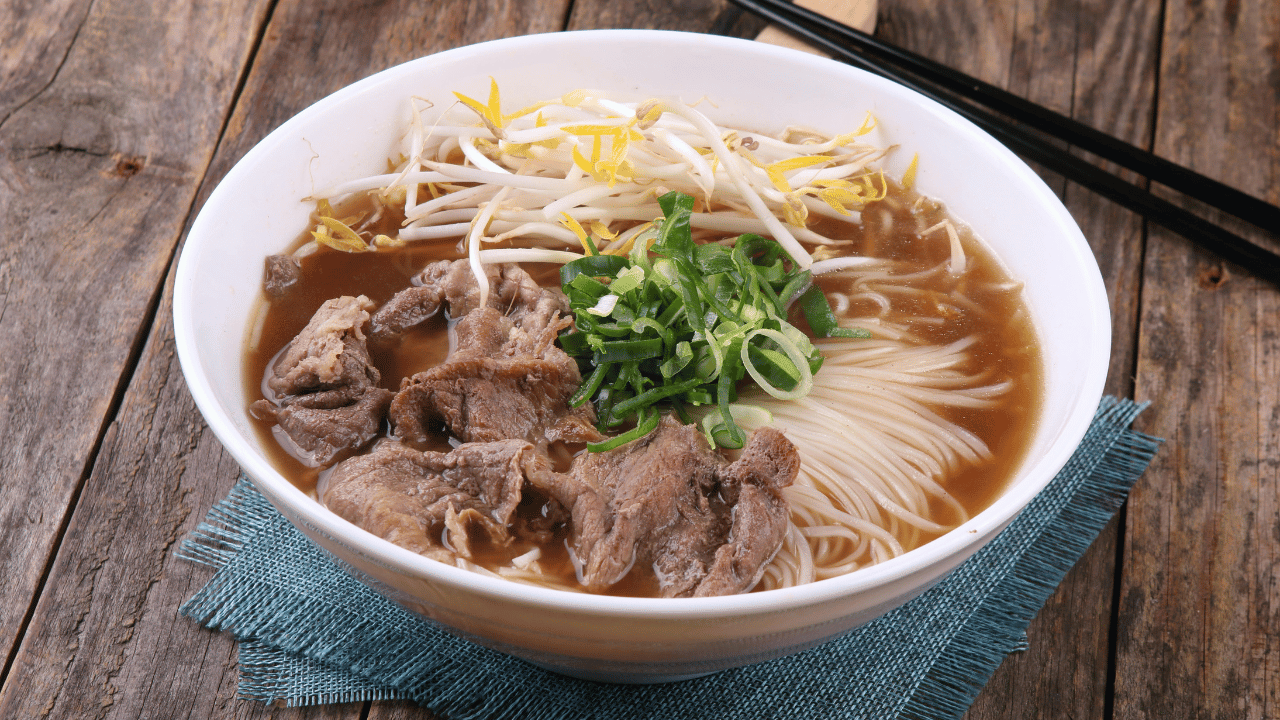
The magic of vietnam pho lies in its carefully balanced ingredients, each playing a crucial role in creating the harmonious whole. Understanding these components is essential for appreciating why this seemingly simple dish requires such skill and patience to prepare correctly.
The Foundation: Types of Beef and Bones
The single most important element of vietnam pho is the broth, and the quality of that broth depends entirely on the selection of beef and bones. Unlike many Western stocks that rely solely on bones, authentic pho requires a combination of meat and bones to achieve its characteristic depth of flavor.
Brisket: The Essential Cut
Brisket is the preferred cut of beef for pho vendors throughout Vietnam, and for good reason. This tough, fibrous cut holds up beautifully to hours of simmering without falling apart, while releasing an intense beefy flavor into the broth. The fat content in brisket also contributes to the broth's subtle richness without making it greasy. After simmering, the brisket is removed, cooled, and sliced thinly to serve as a topping, providing tender, flavorful meat that complements the raw beef slices added at service.
Oxtail and Marrow Bones for Richness
For those seeking the ultimate vietnam pho experience, oxtail is non-negotiable. Rich in bone marrow and connective tissue, oxtail contributes both incredible depth of flavor and a luxurious mouthfeel to the finished broth. The meat from oxtail is also prized for its tenderness and rich taste. Marrow bones—typically from leg, shin, or knuckle—provide essential richness and body to the broth. When simmered, the marrow melts into the liquid, creating that signature silky texture that distinguishes exceptional pho from mediocre imitations.
Alternative Cuts: Chuck, Flank, and Tendon
While brisket and oxtail form the foundation, various other cuts contribute to the complexity of vietnam pho. Chuck provides additional meaty flavor and can be used in place of or alongside brisket. Flank steak, sliced paper-thin and added raw to the bowl, cooks instantly when hot broth is poured over it, providing tender, rare beef with a delicate texture. Tendon, when properly prepared, adds a delightful chewy texture and rich collagen that enhances the broth's body. For the adventurous, tripe offers a unique textural element with its slightly crunchy, honeycomb-patterned surface.
The Aromatic Spice Blend
The spice blend used in vietnam pho is what elevates it from simple beef noodle soup to something truly transcendent. These spices must be carefully balanced—too much of any single element can overwhelm the delicate broth, while too little results in a flat, uninspiring bowl.
Star Anise and Cinnamon
Star anise is arguably the most recognizable flavor in vietnam pho, providing that distinctive licorice-like sweetness that defines the soup's aroma. Vietnamese cinnamon, or cassia bark, contributes warm, woody notes that complement the beef without competing with it. These two spices form the backbone of pho's flavor profile and must be used in careful proportion—typically 2-3 star anise pods and a 3-inch cinnamon stick per large pot of broth.
Cardamom, Cloves, and Coriander Seeds
Black cardamom pods add a subtle smokiness and earthy depth that rounds out the sweeter spices. Green cardamom provides bright, citrusy notes that lift the broth's flavor. Cloves contribute intense warmth and pungency, but must be used sparingly as they can easily dominate. Coriander seeds, with their lemony, slightly floral character, add complexity and help tie all the other spices together. Some recipes also include fennel seeds for their subtle anise flavor that complements the star anise.
The Art of Toasting Spices
Before adding spices to vietnam pho broth, they must be toasted to unlock their full aromatic potential. This is typically done in a dry skillet over medium heat, shaking the pan constantly until the spices become fragrant—usually 2-3 minutes. The toasting process releases essential oils and deepens the flavors, transforming raw spices into the complex aromatics that define great pho. After toasting, whole spices are typically tied in cheesecloth or placed in a spice bag for easy removal, ensuring the broth remains clear and free of gritty particles.
Fresh Herbs and Garnishes
While the broth may be the heart of vietnam pho, the fresh garnishes are its soul, providing brightness, texture, and personalization that makes each bowl unique.
Thai Basil, Cilantro, and Sawtooth Coriander
Thai basil, with its anise-like flavor and sturdy leaves, is essential for southern-style pho and increasingly common in the north as well. Its peppery sweetness cuts through the richness of the broth beautifully. Cilantro provides fresh, citrusy notes and is typically added by the cook rather than the diner. Sawtooth coriander, also known as culantro, offers a more intense, serrated-leaf herb with a flavor similar to cilantro but more concentrated—perfect for those who want an extra herbal punch.
Bean Sprouts and Lime Wedges
Fresh bean sprouts add crucial textural contrast to vietnam pho, their crisp crunch providing relief from the soft noodles and tender meat. They also contribute a subtle sweetness and freshness. Lime wedges are non-negotiable—the squeeze of fresh lime juice just before eating brightens all the flavors, cutting through the richness of the broth and tying together the various elements. The acidity is essential for balancing the soup's savory depth.
Chili, Onions, and Scallions
Fresh chili slices, typically bird's eye chilies, allow diners to adjust the heat level to their preference. Thinly sliced white or yellow onions, soaked in cold water to mellow their sharpness, add sweetness and crunch. Scallions, sliced on the bias, provide mild onion flavor and a pop of green color that makes the bowl visually appealing. Some vendors also offer pickled garlic or chili vinegar for additional customization.
Types of Vietnam Pho
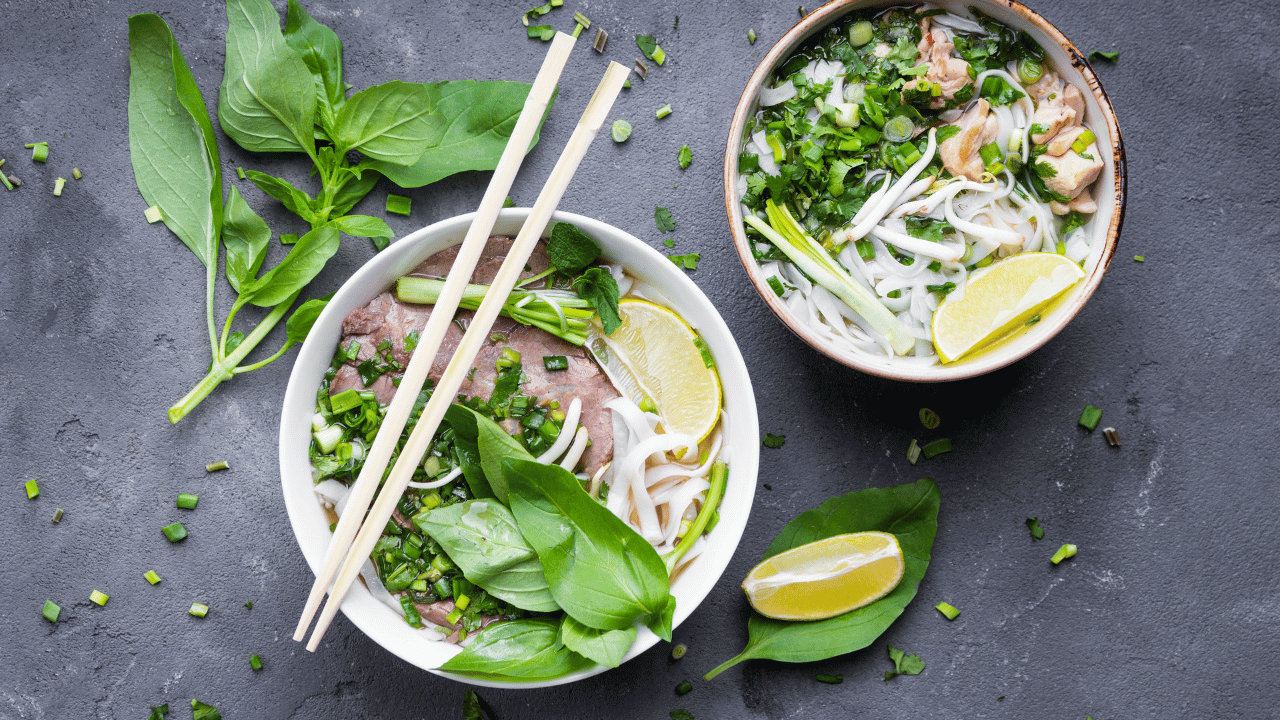
While beef pho remains the standard, vietnam pho has evolved to include various interpretations that cater to different tastes and dietary needs.
Phở Bò (Beef Pho)
The original and still most popular version, phở bò offers numerous variations based on the cuts of beef used. "Phở tái" features rare beef slices that cook in the hot broth, while "phở chín" uses well-done brisket. "Phở nạm" includes flank steak, and "phở gầu" features fatty brisket. For the adventurous, "phở sách" includes tripe, "phở gân" offers tendon, and "phở bò viên" includes beef meatballs. Many diners opt for "phở đặc biệt" or special pho, which includes a combination of several cuts.
Phở Gà (Chicken Pho)
Invented in 1939 when beef became scarce on certain days of the week, phở gà has become nearly as popular as the beef original. Made with whole chicken simmered to create a golden, aromatic broth, chicken pho offers a lighter alternative that many find more digestible, especially for breakfast. The best versions use free-range chicken with plenty of fat for richness, and the meat is typically shredded and added generously to the bowl. Some vendors offer both white and dark meat, or even chicken organs for added texture.
Modern and Fusion Variations
Contemporary chefs have begun experimenting with vietnam pho in exciting ways. Vegetarian and vegan versions use mushrooms and vegetable stock to approximate the depth of traditional beef broth. Some high-end restaurants have introduced luxury pho featuring Wagyu beef, truffle oil, or foie gras. Overseas, creative interpretations include pho with crawfish, sous vide beef, or even breakfast-style pho with eggs. While purists may scoff at these innovations, they demonstrate the dish's remarkable adaptability and enduring appeal.
Why Vietnam Pho Captivates the World
The global phenomenon of vietnam pho can be attributed to several factors that transcend cultural boundaries. First and foremost is its universal comfort—there is something deeply satisfying about a bowl of hot, aromatic broth that speaks to fundamental human needs for nourishment and warmth. The customizable nature of pho also appeals to modern diners who value personalization, allowing each person to create their perfect bowl through the addition of herbs, condiments, and spices.
Pho also represents an accessible entry point into Vietnamese cuisine for those unfamiliar with the country's food traditions. Unlike some Asian dishes that might intimidate Western palates with extreme flavors or unfamiliar textures, pho is immediately approachable while still offering complexity and depth for more adventurous eaters. The rise of Vietnamese diaspora communities around the world has ensured authentic pho is available in major cities globally, while food media and travel shows have introduced the dish to ever-wider audiences.
Perhaps most importantly, vietnam pho embodies the Vietnamese spirit of resilience and adaptation. From its colonial origins through war and migration to its current status as a global culinary ambassador, pho has continually evolved while maintaining its essential character. It is a dish that tells the story of a nation—its struggles, its creativity, and its unwavering commitment to finding joy and beauty even in difficult circumstances. Every bowl of pho is a celebration of this heritage, a connection to centuries of tradition, and an invitation to experience one of the world's great culinary achievements.
As vietnam pho continues to win new fans around the globe, it remains deeply rooted in its origins. Whether enjoyed from a bamboo pole in Hanoi's morning mist or a polished bowl in a London restaurant, it carries with it the essence of Vietnam—a nation that has learned to transform humble ingredients into something truly extraordinary, creating comfort and community one steaming bowl at a time.
Frequently Asked Questions (FAQ)
-
The primary difference lies in the broth sweetness and garnishes. Northern Pho (Phở Bắc) from Hanoi features a clearer, more savory broth with minimal sweetness and simple garnishes like scallions and cilantro. Southern Pho (Phở Nam) from Saigon has a noticeably sweeter broth due to added rock sugar and comes with abundant fresh herbs, bean sprouts, and condiments like hoisin sauce and Sriracha on the side.
-
The essential spice blend for vietnam pho includes star anise, cinnamon sticks, black cardamom, green cardamom, cloves, and coriander seeds. These spices must be toasted before adding to the broth to release their aromatic oils. Star anise and cinnamon form the backbone of the flavor profile, while cardamom adds depth and complexity.
-
While possible, using only meat without bones will result in a flat, one-dimensional broth. Authentic vietnam pho requires a combination of meat and bones—specifically brisket for flavor, oxtail for richness, and marrow bones for body. If beef bones are unavailable, substitute with additional oxtail or meaty soup bones, though the broth will lack some richness.
-
For optimal flavor, vietnam pho broth should simmer for minimum 3 hours, with many traditional recipes calling for 4-6 hours of gentle simmering. The first hour typically includes meat and bones together, after which the brisket is removed. The bones continue simmering for additional hours to extract maximum flavor and collagen. Low, slow heat is crucial—never let the broth boil vigorously.
-
Yes, Phở Gà is absolutely authentic, though it appeared later in pho's history. Invented in 1939 when beef was unavailable on certain days, chicken pho has become nearly as popular as the beef version. It uses whole chicken simmered to create a golden, aromatic broth and is particularly favored for breakfast due to its lighter, more digestible nature. Many Vietnamese consider it a legitimate variation rather than a lesser alternative.
