
Vietnamese Coffee: Bold and Iconic Coffee Culture
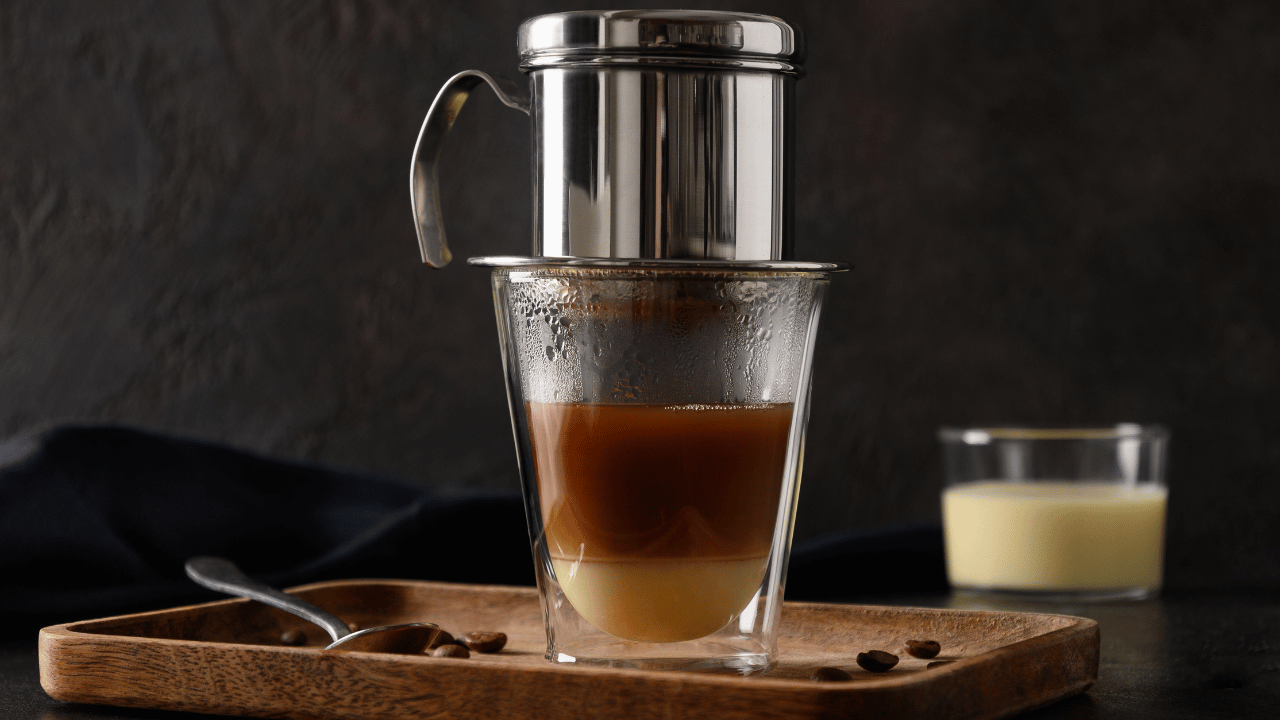
Vietnamese Coffee represents one of Asia’s most recognizable coffee traditions with rich flavors and strong brewing methods. Its unique preparation style and bold taste continue attracting coffee lovers from different countries worldwide.
Vietnam has become one of the largest coffee producers globally because of its strong Robusta bean industry. Coffee culture in Vietnam also reflects social traditions, creativity, and daily lifestyle experiences. Many travelers visit Vietnam specifically to explore authentic cafés and famous local coffee recipes. Today, Vietnamese Coffee stands proudly beside other international coffee styles because of its unforgettable character and deep flavor profile.
Most Popular Types of Vietnamese Coffee

Vietnam offers many creative coffee variations that combine strong coffee with sweet, creamy, and refreshing ingredients. Each coffee style reflects regional traditions and evolving café culture throughout the country.
Cà Phê Đen: Traditional Black Coffee
Cà Phê Đen is one of the purest forms of Vietnamese Coffee commonly enjoyed throughout Vietnam every single day. This traditional black coffee highlights the strong flavor and bitterness of Vietnamese Robusta beans.
The coffee is brewed slowly using a metal phin filter placed directly above a cup or glass. Hot water gradually drips through finely ground coffee to create a concentrated and aromatic beverage. Many locals enjoy this coffee hot during mornings while relaxing at traditional street cafés. Others prefer serving it with ice for a stronger and more refreshing experience during warmer afternoons.
Cà Phê Sữa Đá: Vietnamese Iced Coffee With Condensed Milk
Cà Phê Sữa Đá remains one of the most internationally recognized versions of Vietnamese Coffee because of its sweet and bold flavor. This coffee combines strong brewed coffee with thick condensed milk and refreshing ice cubes.
The sweet condensed milk balances the bitterness naturally found inside Vietnamese Robusta coffee beans. The result creates a creamy texture with deep caramel flavors and smooth sweetness. Many visitors consider this drink their introduction to authentic Vietnamese coffee culture. Its refreshing taste makes it extremely popular during hot tropical weather across Southeast Asia.
One recommended place to experience this authentic flavor is Saiga Vietnamese Eatery through their popular Iced Vietnamese Coffee menu. This refreshing beverage delivers bold coffee flavor with creamy sweetness, making it a favorite choice among customers seeking authentic Vietnamese café experiences.
Egg Coffee: Hanoi’s Famous Creamy Coffee
Egg Coffee originated in Hanoi and quickly became one of Vietnam’s most famous specialty coffee creations. This unique beverage combines coffee with whipped egg yolk, sugar, and condensed milk.
The creamy topping creates a texture similar to rich dessert cream or sweet custard mousse. Underneath the foam, strong black coffee provides bold bitterness and deep roasted flavors. The contrast between creamy sweetness and strong coffee creates a memorable tasting experience. Many cafés in Hanoi continue serving traditional Egg Coffee recipes passed through multiple generations.
Coconut Coffee: Sweet and Refreshing Tropical Flavor
Coconut Coffee combines tropical coconut flavors with bold Vietnamese Coffee for a smooth and refreshing beverage experience. This drink often contains blended coconut cream, condensed milk, coffee, and crushed ice.
The coconut flavor softens the strong bitterness normally associated with Vietnamese Robusta coffee beans. The final result feels creamy, slightly sweet, and very refreshing during hot weather conditions. Younger coffee drinkers especially enjoy this variation because of its dessert-like flavor profile. Modern cafés throughout Vietnam continue introducing creative coconut coffee combinations for international tourists.
Bạc Xỉu: A Sweeter and Milkier Coffee Option
Bạc Xỉu is a lighter and sweeter coffee beverage originally popular within Southern Vietnamese café culture. This drink contains more milk than coffee compared with traditional Cà Phê Sữa Đá recipes.
The flavor profile feels smoother and less bitter because condensed milk dominates the overall taste experience. Many younger drinkers and casual coffee fans prefer this option because it tastes less intense. The drink still carries coffee aroma while remaining approachable for people sensitive to strong caffeine flavors. Bạc Xỉu also reflects how Vietnamese café culture adapts coffee traditions for different personal preferences.
Salt Coffee: Vietnam’s Trending Coffee Innovation
Salt Coffee recently gained popularity because of its unusual flavor combination and unique creamy texture. This modern coffee recipe originated in Hue before spreading across Vietnam and international cafés.
The drink combines coffee, milk foam, and a small amount of salt to enhance sweetness naturally. Salt reduces bitterness while creating deeper flavor complexity within the creamy coffee mixture. Many coffee enthusiasts enjoy this beverage because it feels balanced and surprisingly smooth. Social media exposure also helped Salt Coffee become one of Vietnam’s newest coffee trends worldwide.
Yogurt Coffee: A Unique Vietnamese Coffee Experience
Yogurt Coffee combines fermented yogurt with strong black coffee for a refreshing and slightly tangy beverage. This unusual recipe reflects Vietnam’s creativity in combining coffee with unexpected local ingredients.
The yogurt creates creamy texture while adding light sourness balancing the coffee’s bold roasted flavor. Many cafés serve this drink cold with crushed ice during warmer daytime temperatures. The combination may sound unusual initially, yet many tourists quickly become curious after trying it. Yogurt Coffee demonstrates how innovative Vietnamese café culture continues evolving through modern experimentation.
Understanding Traditional Vietnamese Coffee Brewing
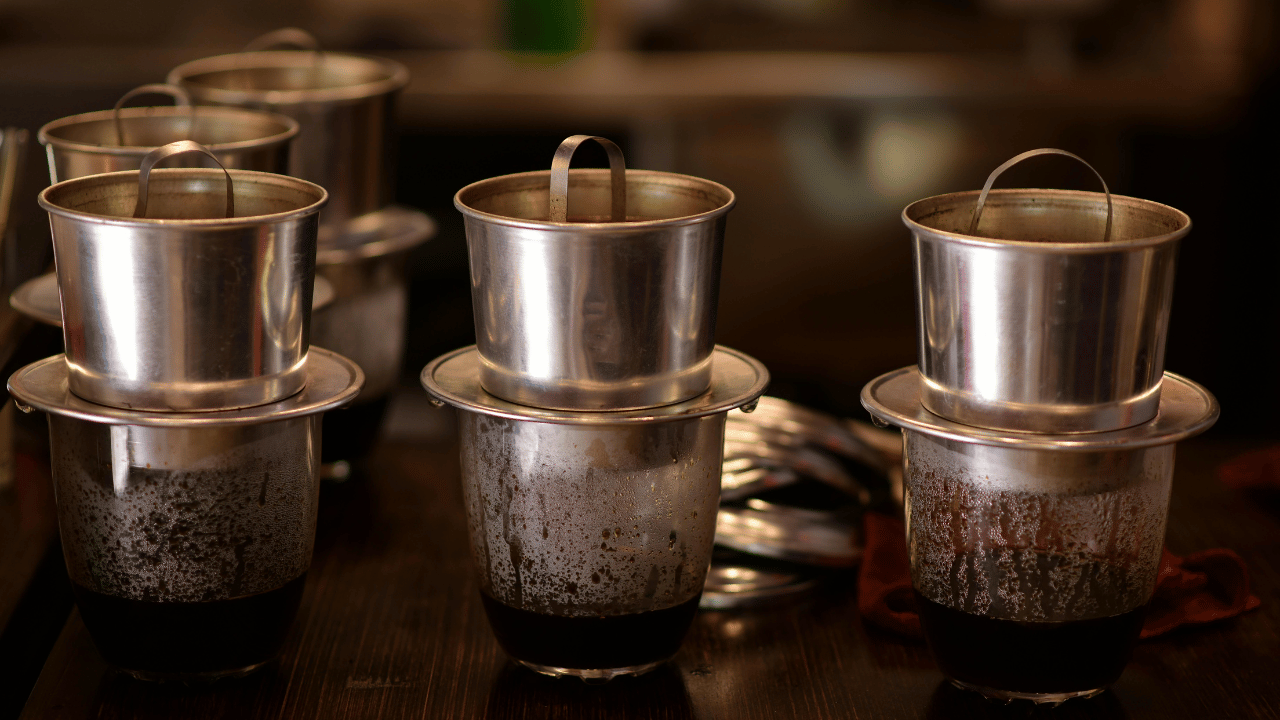
Traditional brewing methods play an important role within authentic Vietnamese Coffee culture and preparation techniques. The slow brewing process allows stronger extraction while creating rich flavors and intense aromas.
What Is a Vietnamese Phin Filter?
The Vietnamese phin filter is a small metal brewing tool commonly used throughout Vietnam for traditional coffee preparation. This filter usually consists of a chamber, press plate, lid, and drip tray component.
Ground coffee sits inside the chamber while hot water slowly drips into the cup below the filter. Unlike espresso machines, the brewing process depends entirely on gravity and slow extraction techniques. Many people appreciate the calming ritual created by watching coffee drip gradually into the glass. The phin filter remains essential for preserving authentic Vietnamese coffee brewing traditions today.
How the Slow Drip Brewing Method Works
The slow drip brewing method creates concentrated coffee with stronger flavor and heavier body than regular brewed coffee. Finely ground coffee becomes compressed slightly before hot water gets poured into the metal phin filter.
The water slowly passes through the coffee grounds during several minutes of careful extraction. This gradual brewing process allows deeper flavor development and fuller aroma concentration within the final beverage. Many Vietnamese coffee lovers enjoy waiting patiently while coffee drips steadily into their glass. The ritual itself contributes significantly toward Vietnam’s relaxed and social coffee culture.
Why Vietnamese Coffee Tastes Stronger Than Regular Coffee
Many people describe Vietnamese Coffee as stronger because Vietnamese cafés commonly use Robusta coffee beans instead of Arabica varieties. Robusta beans naturally contain higher caffeine levels and more intense bitterness than lighter Arabica beans.
The slow drip brewing method also increases concentration and strengthens the final coffee flavor significantly. Sweet ingredients like condensed milk help balance bitterness while preserving bold roasted characteristics. The combination creates rich texture and deeper flavor compared with lighter Western coffee styles. This bold profile remains one of the defining characteristics behind authentic Vietnamese coffee experiences.
Traditional Ingredients Used in Vietnamese Coffee
Traditional Vietnamese coffee recipes commonly include condensed milk, Robusta beans, ice, coconut cream, yogurt, and whipped egg mixtures. These ingredients help balance bitterness while introducing sweetness and creaminess into strong coffee beverages.
Condensed milk became popular historically because fresh milk storage remained difficult within Vietnam’s tropical climate conditions. Robusta beans also thrived successfully across Vietnam because they adapted well to local farming environments. Many recipes continue preserving traditional ingredients despite growing modernization throughout Vietnamese café culture. These ingredients now represent important symbols within authentic Vietnamese coffee traditions worldwide.
What Makes Vietnamese Coffee Unique?

Several factors combine together to make Vietnamese Coffee different from other global coffee traditions and preparation methods. Strong Robusta beans, slow brewing, and creative ingredients all contribute toward its recognizable flavor identity.
Vietnam mainly produces Robusta beans instead of Arabica varieties commonly used throughout Western coffee industries. Robusta creates stronger bitterness, higher caffeine content, and deeper roasted flavor characteristics. The use of condensed milk also separates Vietnamese coffee from many international coffee recipes. This ingredient introduces creamy sweetness while balancing the coffee’s natural intensity beautifully.
Another unique aspect involves Vietnam’s café culture and social drinking traditions. Many locals spend extended periods relaxing, talking, and enjoying coffee slowly during daily routines. Traditional cafés often place small chairs along sidewalks where customers observe busy city streets peacefully. This relaxed atmosphere creates experiences extending beyond simple coffee consumption alone.
Vietnamese coffee culture also encourages creativity and experimentation through unique recipes and modern café innovations. Egg Coffee, Salt Coffee, and Yogurt Coffee demonstrate how Vietnam transforms traditional coffee into exciting specialty beverages. Many younger café owners continue introducing new ideas inspired by global culinary trends and local flavors. This combination of tradition and innovation helps Vietnamese coffee remain highly attractive internationally.
Vietnamese Coffee vs Other Popular Coffee Styles

Different coffee cultures around the world offer unique brewing techniques, flavors, and drinking traditions for coffee enthusiasts. Comparing these styles helps explain why Vietnamese Coffee continues standing apart within global café culture.
Vietnamese Coffee vs Espresso
Espresso and Vietnamese coffee both deliver concentrated flavor, yet their preparation methods remain completely different from each other. Espresso requires high pressure machines while Vietnamese coffee depends on slow gravity drip extraction techniques.
Espresso typically uses Arabica beans producing smoother acidity and lighter bitterness compared with Vietnamese Robusta coffee. Vietnamese coffee often tastes bolder, darker, and slightly more intense because of stronger caffeine concentration. Condensed milk also creates sweeter texture compared with traditional espresso beverages. Both drinks remain highly popular because of their strong flavor and energizing effects.
Vietnamese Coffee vs Thai Coffee
Thai coffee and Vietnamese Coffee both commonly contain sweetened milk and iced serving styles popular across Southeast Asia. However, Thai coffee often includes spices and additional flavorings creating sweeter aromatic profiles.
Vietnamese coffee usually focuses more heavily on strong roasted coffee flavors and concentrated bitterness. Thai coffee sometimes tastes lighter because spice ingredients soften overall coffee intensity significantly. Vietnamese brewing methods also rely specifically on phin filters instead of cloth straining systems commonly found elsewhere. These differences help each coffee tradition maintain distinct cultural identities and flavor experiences.
Vietnamese Coffee vs Cold Brew
Cold brew coffee uses long cold-water extraction methods while Vietnamese coffee relies on hot water and slow dripping techniques. Cold brew generally tastes smoother and less acidic because lower temperatures reduce bitterness during brewing.
Vietnamese coffee delivers stronger roasted flavors and heavier body because hot extraction intensifies coffee concentration dramatically. Many cold brew drinks prioritize mildness while Vietnamese coffee emphasizes bold flavor impact and richness. Condensed milk also contributes sweetness and creaminess absent within most standard cold brew recipes. Both beverages remain refreshing options, especially during warmer weather conditions.
Differences in Brewing Methods and Flavor
Brewing methods greatly influence flavor, aroma, caffeine content, and texture across different international coffee styles and traditions. Vietnamese coffee relies heavily on patience, slow extraction, and concentrated brewing processes.
Espresso machines prioritize pressure and speed while cold brew techniques focus on extended extraction over several hours. Vietnamese coffee occupies a unique middle position combining slow brewing with strong concentrated flavor outcomes. The use of Robusta beans also creates heavier bitterness and higher caffeine compared with many global coffee traditions. These differences help Vietnamese coffee maintain distinctive identity within modern international café culture.
Why Vietnamese Coffee Has Become Popular Worldwide
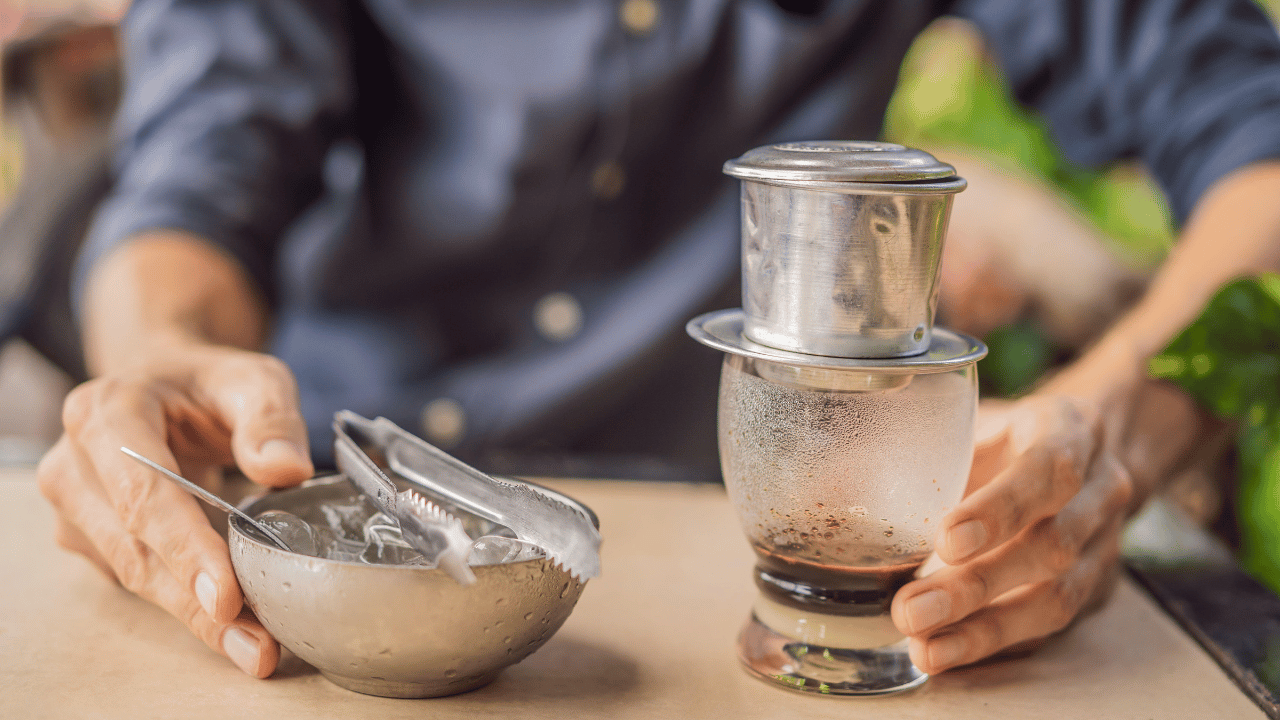
Global interest in Vietnamese Coffee continues increasing because modern consumers seek unique flavors and authentic cultural experiences. Social media exposure and international café expansion also contribute toward growing worldwide popularity significantly.
Social Media and Modern Coffee Trends
Social media platforms introduced millions of people toward visually attractive Vietnamese coffee beverages and modern café experiences. Drinks like Egg Coffee and Coconut Coffee quickly gained attention because of their unusual appearance and unique preparation styles.
Travel bloggers and food creators regularly share videos highlighting Vietnamese café culture and traditional brewing methods online. These visual platforms encourage younger audiences to explore international coffee experiences beyond familiar Western beverages. Many cafés worldwide now include Vietnamese coffee items because consumer curiosity continues growing steadily. Social media therefore plays an important role within Vietnamese coffee’s international success story.
Vietnamese Cafés and Global Coffee Culture
Vietnamese cafés continue expanding internationally while introducing authentic coffee traditions into modern urban coffee communities worldwide. Many café owners combine traditional recipes with contemporary interior design and specialty coffee presentation.
Customers often appreciate the balance between cultural authenticity and modern café atmosphere within these businesses. Vietnamese cafés also attract attention because their menu offers creative alternatives beyond traditional espresso drinks. International coffee culture increasingly values diversity, experimentation, and regional identity within specialty beverage industries. As a result, Vietnamese coffee continues gaining stronger recognition across major cities worldwide.
Conclusion
Vietnamese Coffee represents much more than a simple beverage because it reflects culture, creativity, history, and social connection beautifully. Its strong flavors, unique brewing techniques, and innovative recipes continue attracting coffee lovers from different generations worldwide.
From traditional Cà Phê Đen to modern Salt Coffee creations, Vietnam offers diverse coffee experiences for every preference imaginable. The use of Robusta beans and phin filters creates flavor profiles impossible to duplicate easily elsewhere. Vietnamese coffee culture also encourages slower enjoyment and meaningful conversation during everyday routines. As global café culture evolves continuously, Vietnamese coffee will likely remain one of the world’s most distinctive coffee traditions.
FAQ
-
Vietnamese Coffee usually uses Robusta beans, creating stronger flavor and higher caffeine compared with many regular coffee styles worldwide.
-
Condensed milk balances the bitterness of strong coffee while adding creamy sweetness and smooth texture to the beverage.
-
A phin filter is a small metal coffee brewer that slowly drips hot water through ground coffee into a cup.
-
Many people consider Vietnamese Coffee stronger because Robusta beans contain higher caffeine levels and deeper roasted flavors than espresso blends.
-
Cà Phê Sữa Đá is often recommended for beginners because it combines bold coffee flavor with sweet condensed milk.
