
Vietnamese Tofu Dessert - Tau Hu Nuoc Duong
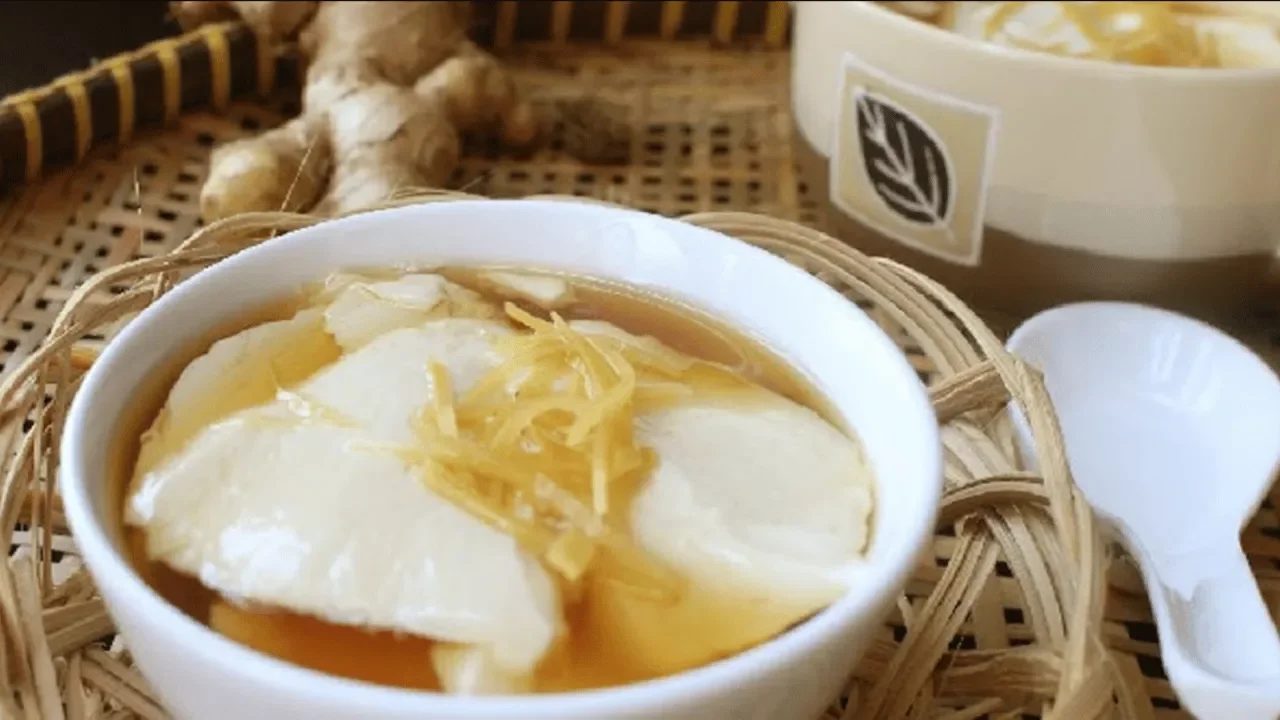
Soft as silk and lightly sweet, Vietnamese tofu dessert is one of Vietnam’s most comforting traditional treats. Known as Tau Hu Nuoc Duong, this delicate dessert combines silky tofu with warm ginger syrup, creating a simple dish with remarkable depth.
Unlike heavy sweets, this dessert feels gentle and nourishing. It carries nostalgia, street food heritage, and a balance of flavor that has made it beloved across generations. For anyone exploring Vietnamese dessert traditions, this dish offers a beautiful introduction to how minimal ingredients can create something memorable.
Types of Vietnamese Tofu Dessert Variations
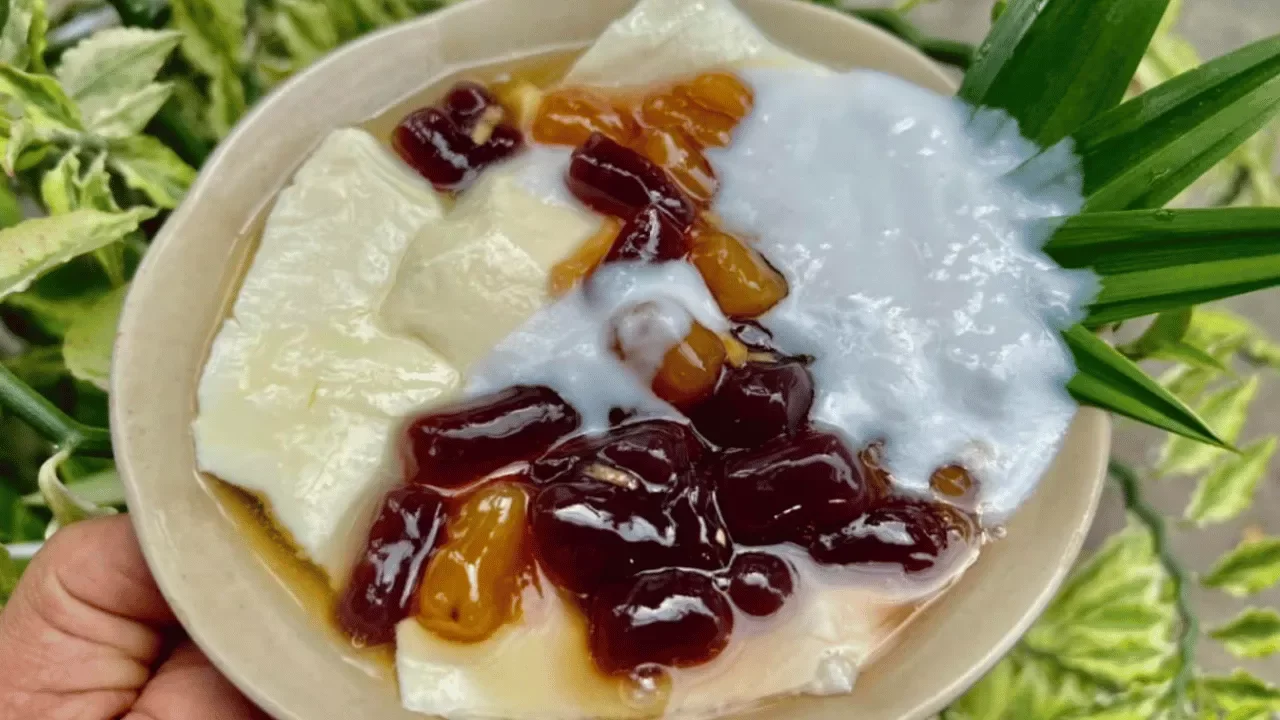
Vietnamese tofu dessert may appear simple, but it comes in several regional styles. Each version reflects local tastes, ingredients, and culinary traditions while keeping the soul of Tau Hu Nuoc Duong intact.
Northern Style: Light and Simple Sugar Syrup
Northern Vietnamese versions tend to celebrate purity. The silken tofu is often served with a clear sugar syrup, sometimes barely scented with ginger. The sweetness stays restrained, allowing the delicate soybean flavor to shine.
Texture matters deeply in this style. The tofu should be almost cloud-like, trembling in the bowl. Vendors often scoop it gently into small portions and pour warm syrup over the top.
This approach highlights why Vietnamese tofu dessert is often admired for elegance rather than richness.
Central Style: Ginger-Infused Warm Dessert
Central Vietnam is known for stronger flavors, and Tau Hu Nuoc Duong follows that tradition. Here, ginger plays a larger role.
The syrup carries warmth and spice. It complements the soft tofu while adding depth, especially on cool or rainy days. This version is often enjoyed warm, making it feel almost medicinal in comfort.
Many people associate this style with home cooking. It has the soothing quality of food prepared with care.
Southern Style: Coconut Milk and Tropical Additions
Southern interpretations often feel richer and more playful. Coconut milk may be added for creaminess. Tropical ingredients can appear as toppings.
Pandan aroma is common. Some versions include mung beans, pearls, or jelly. These additions make the dessert slightly more indulgent while keeping its soft tofu base.
For those new to Vietnamese tofu dessert, southern-style bowls often feel the most approachable.
Modern Variations: Mixed Toppings and Creative Twists
Contemporary cafés have reimagined Tau Hu Nuoc Duong in exciting ways. Some serve it chilled with black sesame. Others pair it with boba, fruits, or even matcha.
While purists may prefer classic preparations, modern versions help introduce younger audiences to this traditional dish.
Creative interpretations show how adaptable Vietnamese tofu dessert can be without losing identity.
Other Names: Tao Pho, Dau Hu, and Douhua
This dessert goes by many names. In Vietnam, you may hear Tau Hu, Dau Hu Nuoc Duong, or Tao Pho.
Across Asia, similar tofu puddings are known as Douhua or Doufuhua. Though related, Vietnamese versions often stand apart because of ginger syrup and regional influences.
Knowing these names helps travelers recognize this beloved dish wherever they go.
Key Ingredients in Vietnamese Tofu Dessert
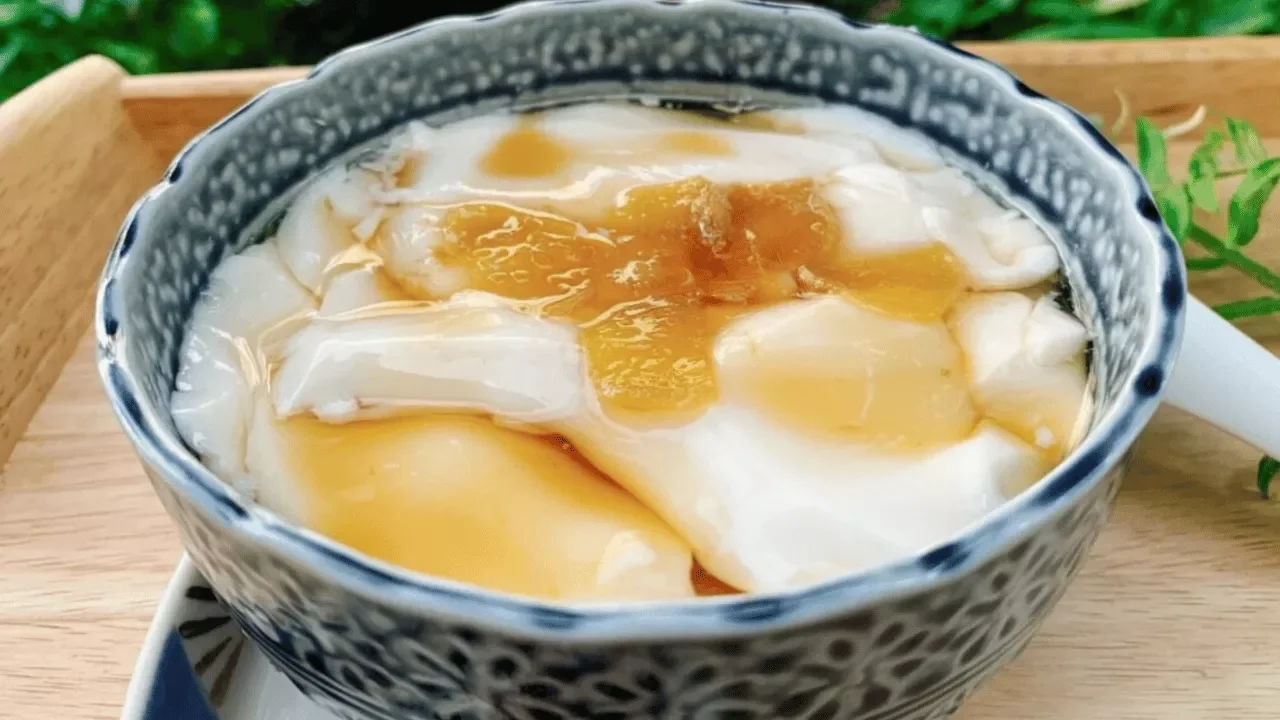
The beauty of this dessert lies in simplicity. A handful of ingredients come together to create layers of flavor, texture, and comfort.
Silken Tofu: Texture and Nutritional Benefits
At the center of Vietnamese tofu dessert is fresh silken tofu. Its texture defines the dish.
It should be smooth, delicate, and almost custard-like. Good tofu barely holds shape under a spoon. It melts softly on the tongue.
Freshly made tofu is often preferred because of its subtle soybean fragrance. It gives the dessert a naturally creamy quality without dairy.
Nutritionally, tofu offers plant-based protein, minerals, and a lighter dessert option compared with many sweets.
Ginger Syrup: Flavor Profile and Health Benefits
Ginger syrup transforms plain tofu into something special.
Sweetness alone would not be enough. Ginger adds warmth, spice, and fragrance. It balances the mild tofu beautifully.
Typically made with sliced ginger and sugar simmered in water, the syrup can range from delicate to boldly spiced.
Beyond flavor, ginger is long valued in Asian cooking for digestive support and warming properties. That makes Vietnamese tofu dessert feel comforting in more ways than one.
Sweeteners: Rock Sugar vs Regular Sugar
Sweetener choice matters.
Rock sugar is often preferred in traditional recipes. It creates a cleaner sweetness and lighter syrup.
Regular sugar can work too, though some feel it lacks the subtle finish rock sugar provides.
Some modern recipes use palm sugar for deeper caramel notes. Each option changes the dessert’s character slightly.
Optional Ingredients: Pandan Leaves, Coconut Milk, and Toppings
Traditional versions can be minimal. Yet optional ingredients add extra personality.
Pandan can scent the syrup with floral sweetness. Coconut milk adds richness. Toppings bring texture contrast.
Common additions include:
Tapioca pearls
Mung beans
Lotus seeds
Grass jelly
Aloe vera
Toasted sesame
These ingredients expand the experience while keeping Vietnamese tofu dessert recognizable.
Taste, Texture, and Serving Experience
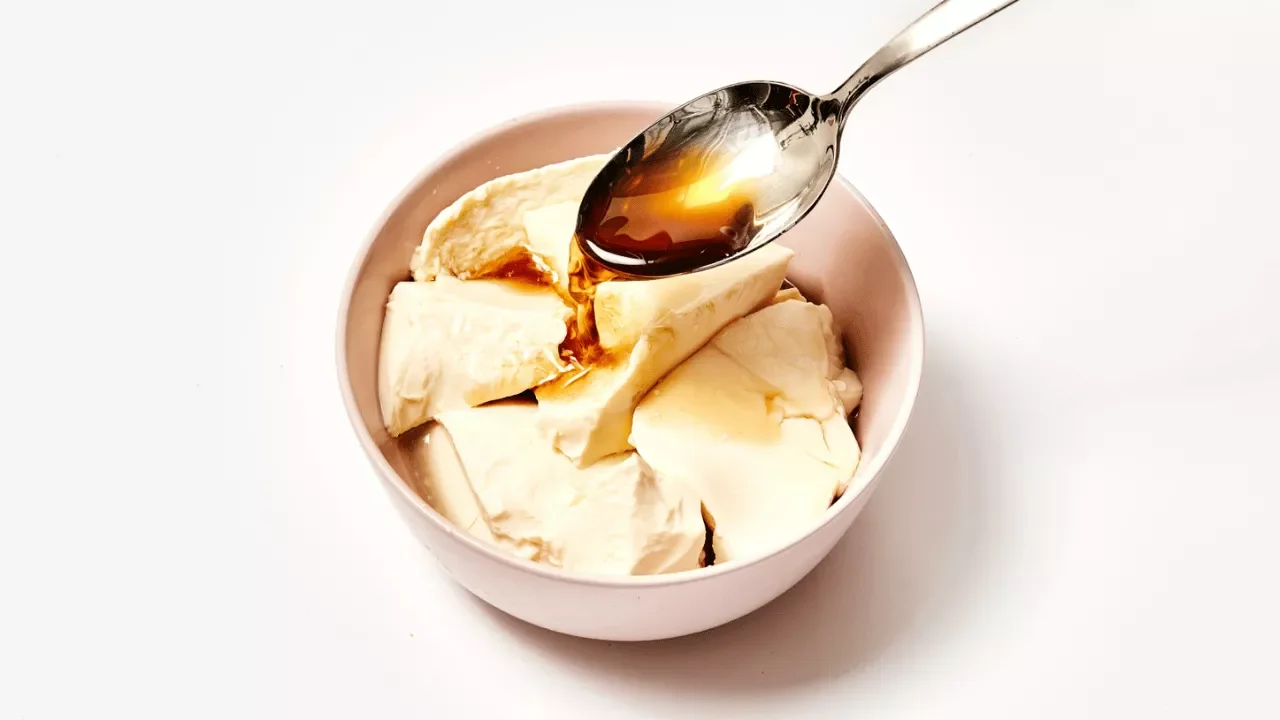
The charm of Tau Hu Nuoc Duong is difficult to describe until tasted. It is not dramatic. Its beauty lies in softness, warmth, and balance.
What Makes the Texture Unique
Texture is everything.
Silken tofu feels unlike pudding, custard, or jelly. It has a delicate wobble and almost disappears in the mouth.
That fragile consistency is part of why this dessert feels luxurious despite humble ingredients.
When perfectly made, each spoonful combines silky tofu and flowing syrup in a way few desserts can match.
Balancing Sweetness and Warmth
A good bowl never tastes overly sweet.
The syrup should enhance, not overwhelm. Ginger adds heat. Sugar softens the spice. Tofu provides calm neutrality.
This balance defines authentic Vietnamese tofu dessert.
It is a dessert built on harmony.
Serving Hot vs Cold: When and Why
Both hot and cold versions exist.
Warm servings emphasize ginger and comfort. They are ideal in cooler weather and often feel more traditional.
Cold versions feel refreshing in tropical climates. Chilled tofu with syrup can be incredibly soothing on hot afternoons.
Neither is better. Each reveals different sides of the dessert.
Nutritional Value and Health Benefits
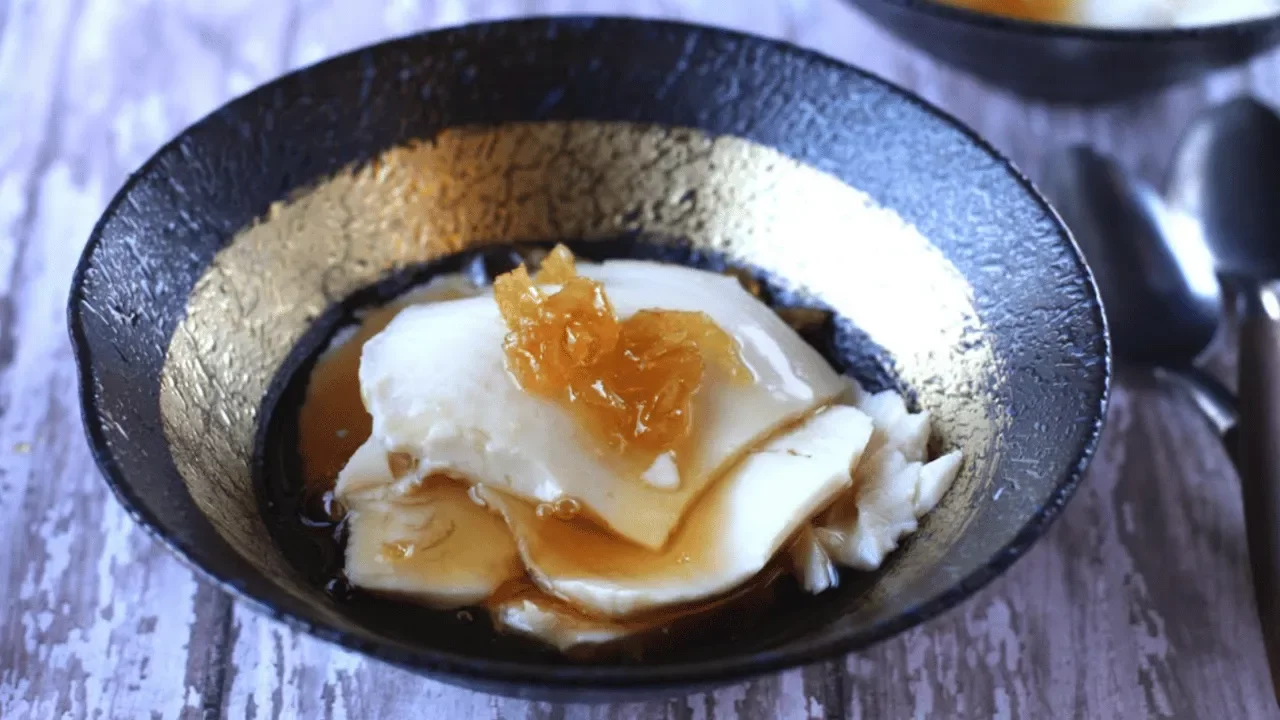
Beyond flavor, Vietnamese tofu dessert is often appreciated as a lighter and more wholesome sweet. It can satisfy dessert cravings without feeling overly indulgent.
High Protein and Low-Calorie Dessert Option
Compared with cakes or pastries, tofu pudding can be relatively light.
Silken tofu provides protein while remaining low in calories. It also contains calcium and important nutrients.
Because sweetness is often moderate, the dessert feels balanced rather than heavy.
For those looking into lighter options within Vietnamese dessert culture, this is often a favorite.
Benefits of Ginger for Digestion
Ginger has long been associated with wellness.
Its warming nature can support digestion and bring soothing comfort after meals.
That makes ginger syrup more than just flavor. It contributes to why many people consider Vietnamese tofu dessert nourishing as well as delicious.
Traditional foods often carry this dual purpose. Pleasure and comfort meet in one bowl.
Vietnamese Tofu Dessert vs Other Asian Tofu Desserts
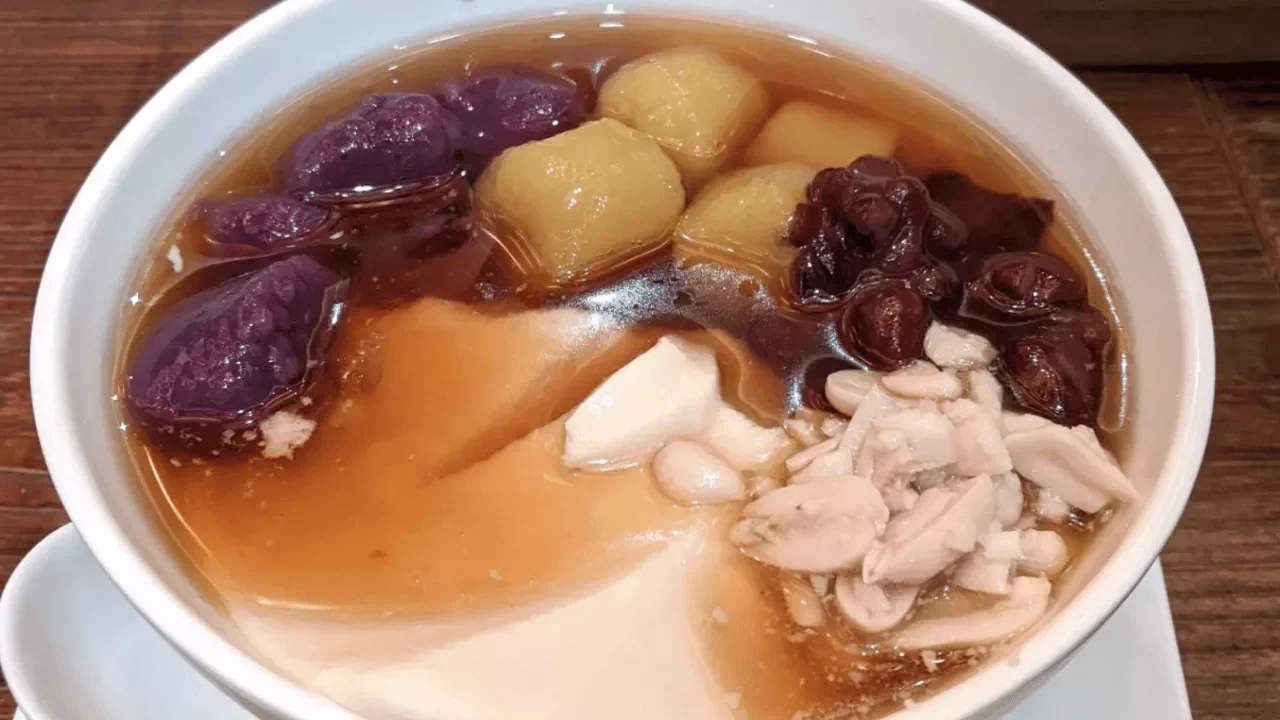
Tofu puddings exist throughout Asia, but Vietnamese tofu dessert has distinct character.
Chinese Douhua often comes with savory or sweet toppings. Some versions lean very simple. Others include peanuts, soy sauce, or sesame.
Taiwanese tofu pudding often includes taro balls, red beans, and elaborate topping combinations.
Vietnamese Tau Hu Nuoc Duong tends to feel gentler. Ginger syrup plays a defining role. The flavor profile is often cleaner and warmer.
Its simplicity is what sets it apart.
While related to these desserts, it holds its own identity within the broader world of Asian sweets.
Those exploring traditional Vietnamese dessert recipes often find Tau Hu Nuoc Duong among the most elegant examples.
Where to Find Vietnamese Tofu Dessert
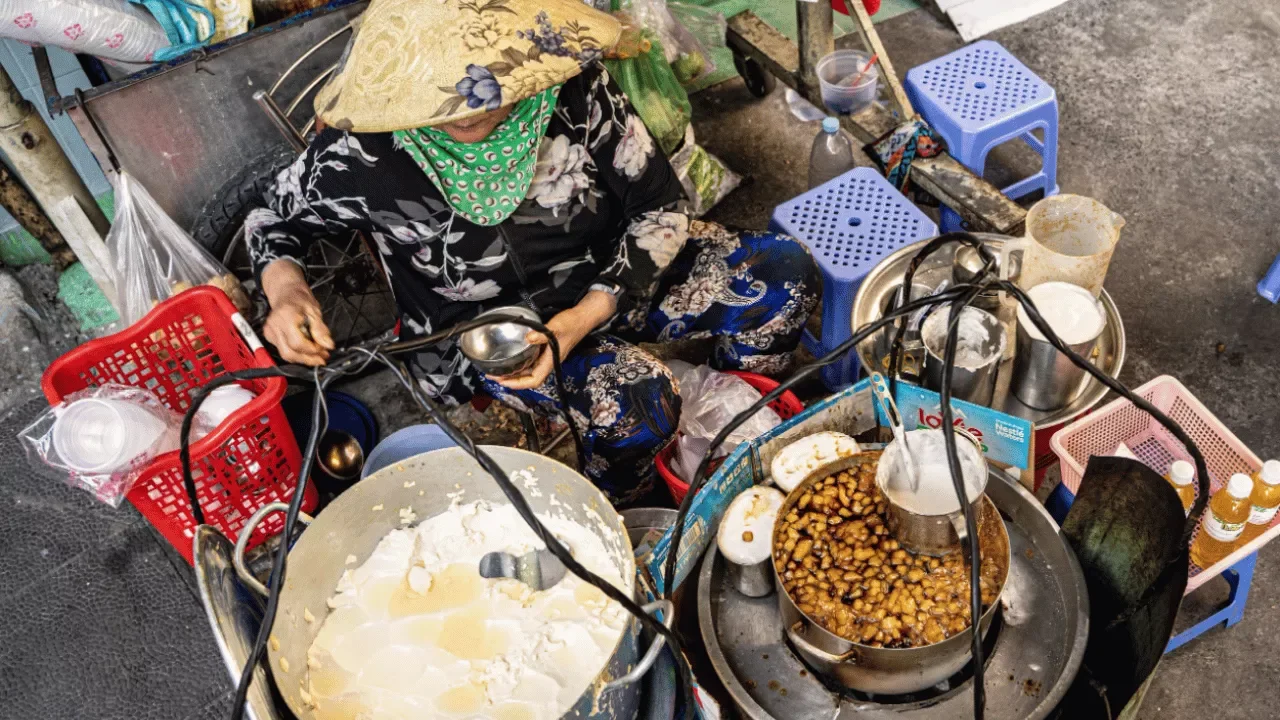
One of the joys of this dish is how accessible it can be. From humble street stalls to modern cafés, it appears in many forms.
Street Vendors and Local Markets
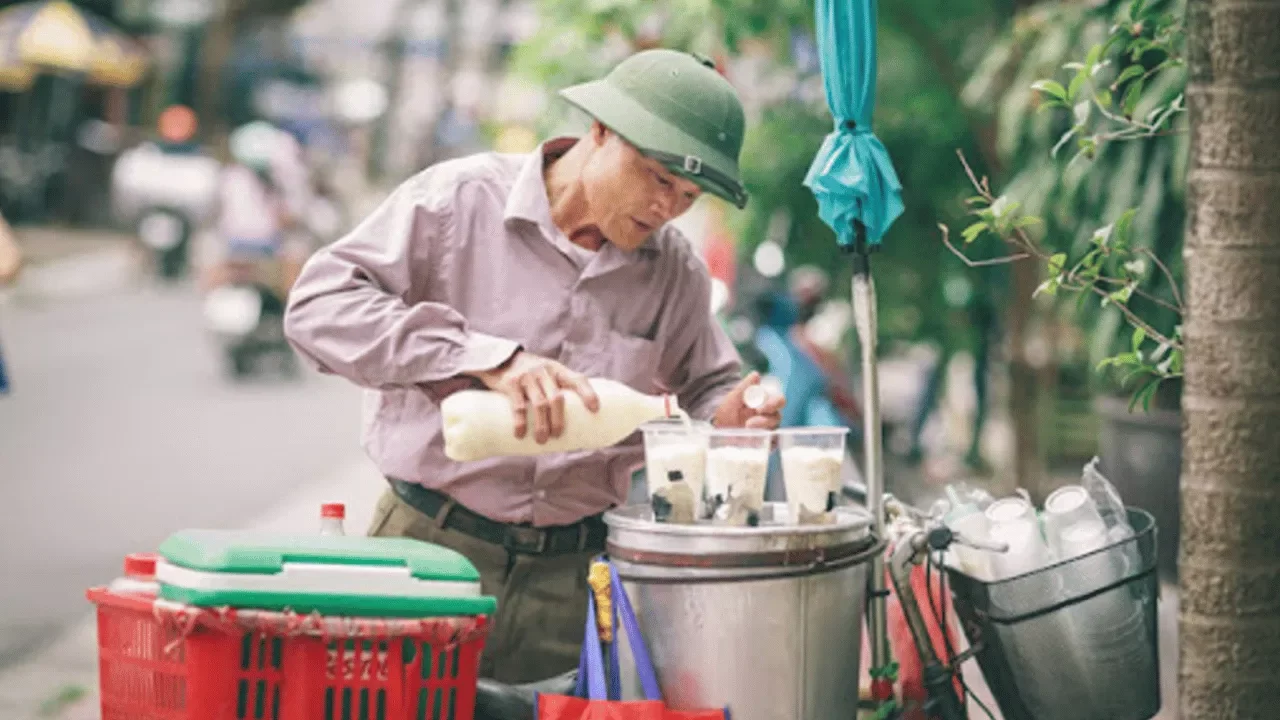
Street vendors remain one of the most authentic places to enjoy Vietnamese tofu dessert.
In Vietnam, vendors may carry fresh tofu pudding in large containers and ladle portions into bowls on demand.
Markets often have stalls serving warm Tau Hu in the morning or evening. There is something special about enjoying it in this traditional setting.
Freshness matters, and street vendors often excel at that.
Many locals would say this is where the best bowls are found.
Vietnamese Restaurants and Cafés
Outside Vietnam, many Vietnamese restaurants and dessert cafés serve Tau Hu Nuoc Duong.
Traditional eateries may keep it classic. Modern cafés may offer updated versions with toppings and creative presentations.
Some places specializing in Vietnamese dessert may feature it seasonally or as a house specialty.
If you see it on a menu, it is worth ordering.
Its understated beauty often surprises first-time diners.
A Simple Yet Iconic Vietnamese Dessert
Some desserts impress through extravagance. Vietnamese tofu dessert does the opposite.
It whispers rather than shouts.
Silken tofu. Ginger syrup. A few thoughtful ingredients.
That is all it takes.
Yet in those simple elements lives centuries of tradition, regional variation, and culinary artistry. It is street food and comfort food at once. Humble, but refined.
Its appeal crosses generations because it offers something rare. Sweetness without heaviness. Warmth without complexity. Familiarity without boredom.
For newcomers exploring Vietnamese dessert, Tau Hu Nuoc Duong reveals an important truth about Vietnamese cuisine. Great flavor does not require excess.
Sometimes the gentlest dishes leave the strongest memory.
Whether enjoyed warm with fragrant ginger syrup, chilled with coconut milk, or topped with modern additions, Vietnamese tofu dessert remains timeless.
FAQ
-
Vietnamese tofu dessert is traditionally made with silken tofu and sweet ginger syrup. Some variations may also include coconut milk, pandan, rock sugar, or toppings such as tapioca pearls and lotus seeds.
-
Tau Hu Nuoc Duong can be enjoyed both warm and chilled. Warm versions highlight the comforting ginger syrup, while cold versions are refreshing and popular in warmer weather.
-
Yes, Vietnamese tofu dessert is often considered a lighter dessert option. Silken tofu provides plant-based protein, while ginger may support digestion, making it both satisfying and relatively nourishing.
-
While both are soft tofu puddings, Vietnamese tofu dessert is commonly served with ginger syrup and has a lighter flavor profile. Chinese douhua can be sweet or savory and often comes with a wider variety of toppings.
-
You can often find Vietnamese tofu dessert at Vietnamese street markets, traditional dessert vendors, and Vietnamese restaurants or cafés. Some specialty Asian dessert shops may also serve modern versions of Tau Hu Nuoc Duong.
