
Vietnamese Corporate Catering: Planning, Pricing & Vendor Selection
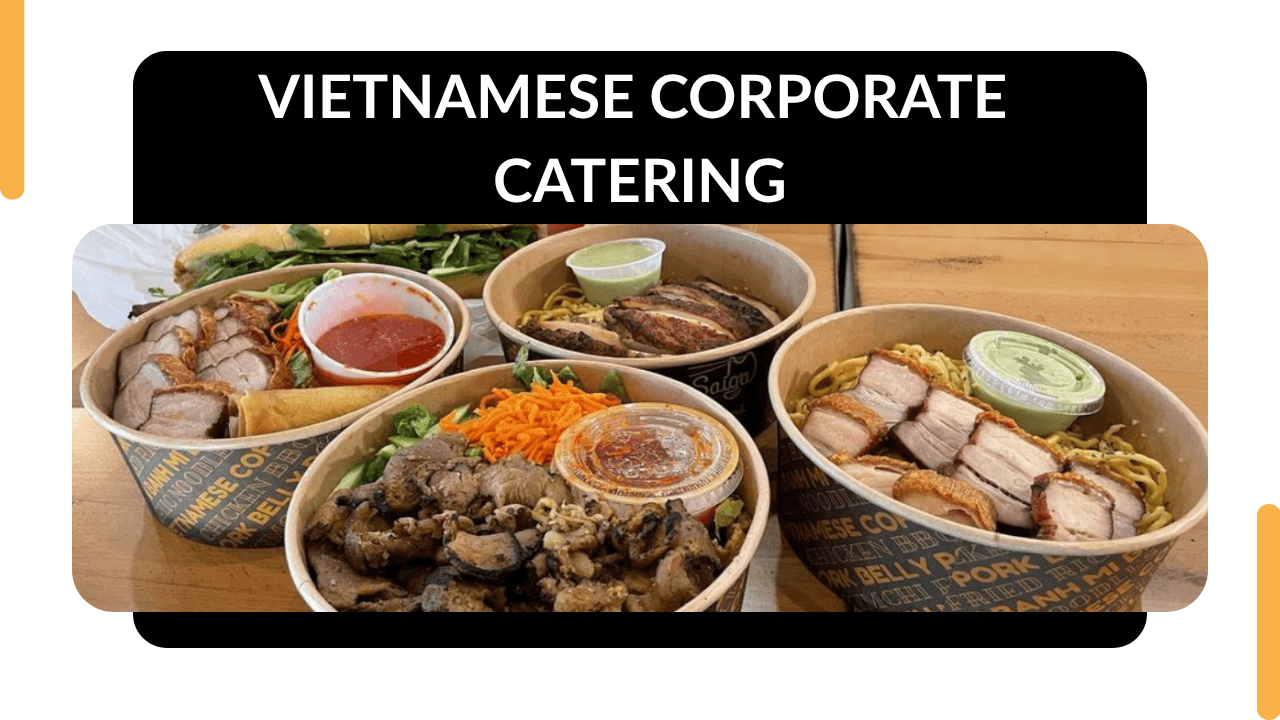
Imagine you need to order a Vietnamese catering for your company’s celebration of the end of the quarter. 75 employees will attend and everyone has been talking about the great pho place in downtown. However, when you start browsing through the menus of the Vietnamese catering services, you find that they all list a dozen of dishes with obscure names. And on top of that, the prices are listed in different ways, while the minimum order quantities differ as well.
For the quarterly celebration of your company, Vietnamese catering is the perfect solution to introduce your colleagues to fresh and authentic flavors.
Incorporating Vietnamese cuisine into your corporate event requires special consideration in ordering from Vietnamese catering services. Unlike typical sandwich platters and pizzas, Vietnamese dishes are very sensitive to being fresh, served at the proper temperature, and made with the proper methods. When planning for a corporate event with Vietnamese cuisine, you must consider which of the many dishes can travel well, how pricing for the Vietnamese catering service will scale with the size of your group, and what questions to ask when choosing between experienced Vietnamese caterers and general catering companies trying to add Vietnamese dishes to their large list of typical dishes.
What Is Vietnamese Corporate Catering & Why It Works for Business Events

Vietnamese corporate catering brings the fresh, balanced flavors of Vietnam's culinary tradition to professional settings. Unlike heavier cuisines that can leave attendees sluggish, Vietnamese food emphasizes light, herb-forward dishes that keep energy levels steady throughout long meetings or conferences.
Vietnamese food is great because it has a lot of different options that can fit many people's diets. You don't need to make special menus for people who eat differently. Pho is a comforting and warm meal, banh mi is a great thing to eat with your hands, and vermicelli bowls and fresh spring rolls are good for people who want to eat healthy. This makes Vietnamese food a good choice for companies with people from many different backgrounds. It's easy to find something for everyone, and that's really helpful. Companies with a lot of different employees can use Vietnamese catering and know that everyone will find something they like.
Core Vietnamese Catering Formats
Buffet-style works best for larger gatherings (100+ guests), allowing self-service and easy portion control. Family-style creates intimacy for executive meetings, with shared platters encouraging conversation. Plated service suits formal client presentations where consistency matters most.
Party trays offer the most practical solution for smaller corporate events. Pre-portioned dishes like spring roll platters or banh mi boxes eliminate serving logistics while maintaining authentic presentation.
Why Corporations Choose Vietnamese
Vietnamese catering delivers exceptional value compared to premium Western options while appearing more sophisticated than typical sandwich platters. The emphasis on fresh ingredients aligns with modern workplace wellness initiatives, making it an easy choice for HR departments focused on employee satisfaction.
The cuisine's presentation also creates positive social media moments for company culture marketing, while interactive elements like pho stations encourage team bonding and conversation.
Vietnamese Corporate Catering Pricing: What to Budget
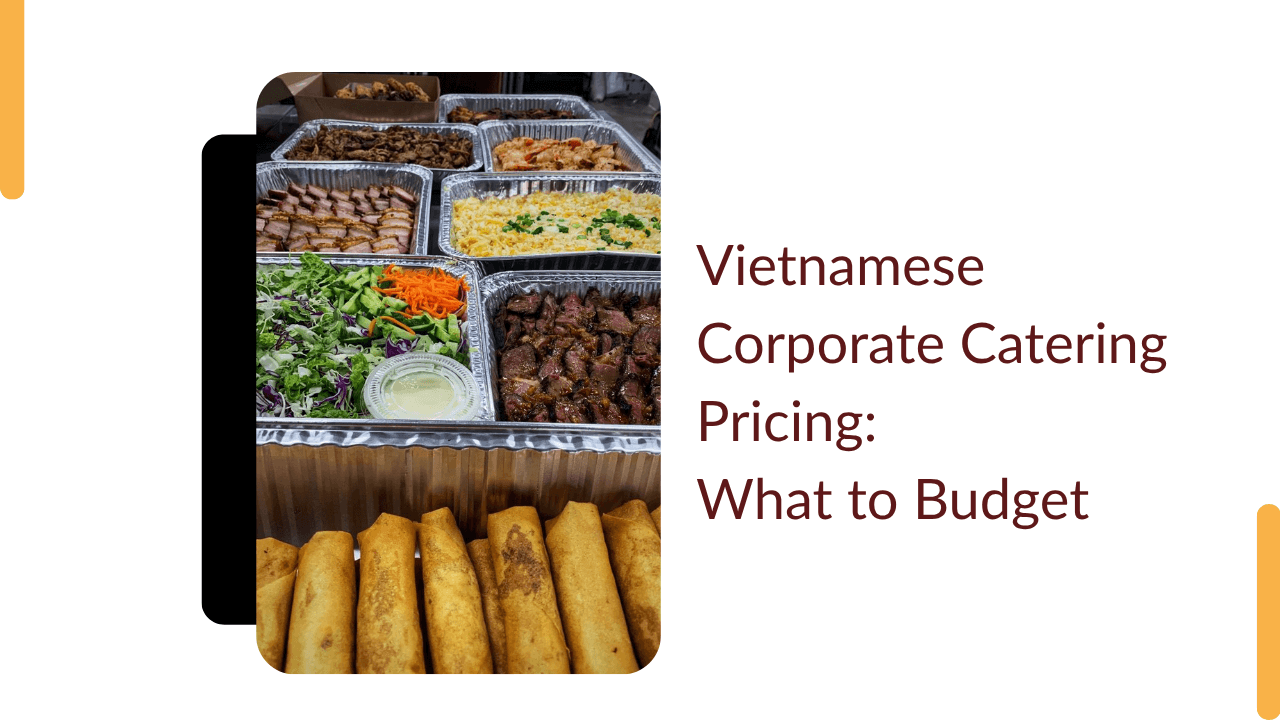
Vietnamese corporate catering typically runs $12–$25 per person, depending on menu complexity and service level. Unlike other ethnic cuisines that can surprise you with hidden fees, Vietnamese catering offers predictable pricing structures that make budget planning straightforward.
Budget Breakdown by Menu Tier
Basic packages ($12–$16 per person) center on party trays with spring rolls, banh mi platters, and simple rice dishes. These work well for casual meetings or large groups where cost control matters most.
Standard options ($17–$21 per person) add protein variety with grilled meats, pho stations, and mixed Vietnamese platters. This tier balances authenticity with broader appeal for mixed corporate audiences.
Premium menus ($22–$25+ per person) feature curated selections like whole fish, specialty noodle dishes, and made-to-order items. Expect this level for executive events or client entertainment where food quality makes an impression.
Hidden Costs & Fees to Anticipate
Service charges typically add 15–20% to your base cost. Delivery fees range $25–$75 based on distance and order size. Equipment rentals (chafing dishes, serving utensils) can add $3–$5 per person if needed.
Gratuity runs 15–18% for delivery staff, though some vendors include this automatically. Weekend surcharges and rush fees for orders placed within 48 hours can increase costs by 10–15%.
How to Negotiate & Save
Order during off-peak lunch hours rather than dinner service. Larger orders (100+ people) often unlock volume discounts of 10–15%. Consider pickup instead of delivery to eliminate fees, and book recurring events for package pricing.
Tuesday through Thursday typically offers the best pricing, while Friday events command premium rates.
How to Choose a Vietnamese Corporate Catering Vendor
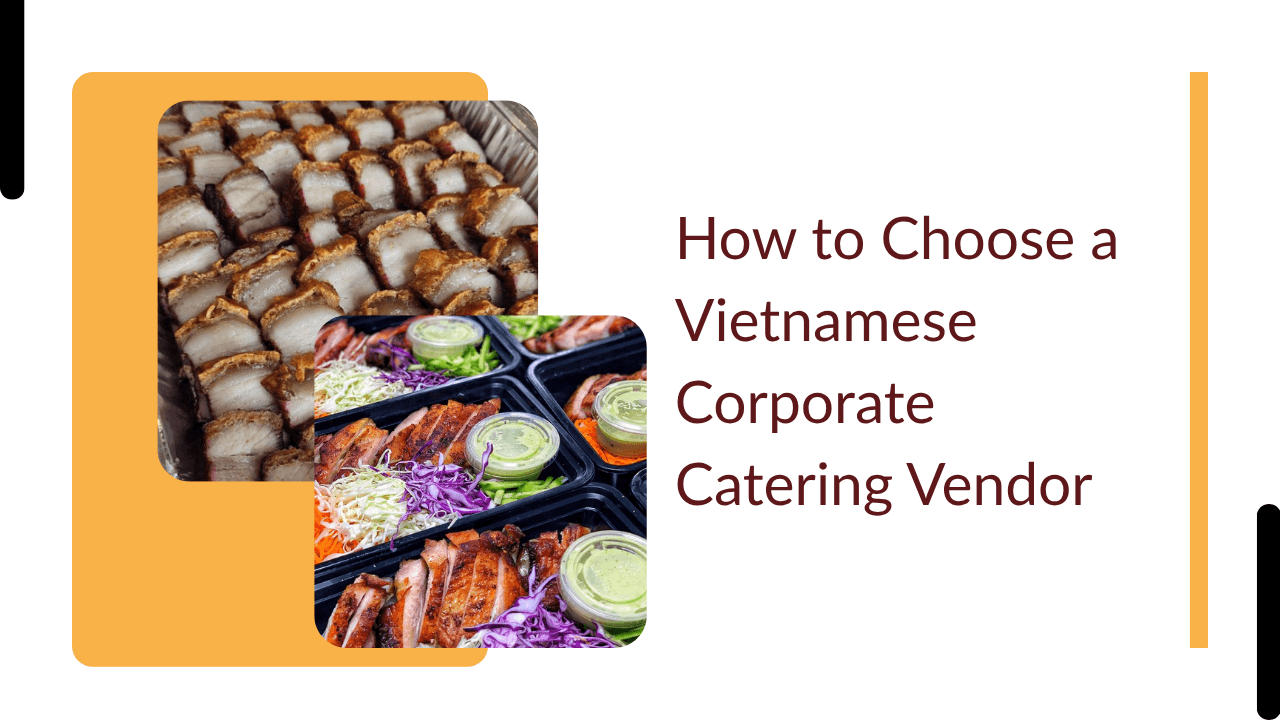
Selecting the right Vietnamese catering partner requires a systematic approach that goes beyond simply comparing prices. The best vendors combine authentic cuisine with professional service standards that meet corporate expectations.
Evaluate Reputation & Track Record
Start by researching vendor credentials and client feedback. Look for caterers with established corporate client portfolios, positive reviews mentioning reliability and food quality, and proper business licensing. Request references from similar-sized companies and ask about on-time delivery, food consistency, and problem resolution.
Check Better Business Bureau ratings, health department inspection records, and liability insurance coverage. Vendors serving businesses for several years typically understand professional standards better than those focused primarily on casual events.
Assess Menu Flexibility & Customization
Quality Vietnamese caterers should accommodate dietary restrictions, allergen concerns, and varying spice preferences without compromising authenticity. Request sample menus and inquire about vegetarian options, gluten-free modifications, and portion adjustments.
Professional vendors offer tastings for large orders and can explain ingredients clearly for employees with food sensitivities. They should also provide nutritional information when requested.
Verify Logistics & Reliability
Confirm delivery coverage for your location and ask about setup services, serving utensils, and cleanup protocols. Reliable caterers maintain backup plans for equipment failures or traffic delays and provide clear communication channels for day-of coordination.
Inquire about their capacity limits, especially during peak seasons. Vendors who overbook often compromise quality or punctuality when stretched too thin.
Popular Vietnamese Catering Menu Items for Corporate Events

Vietnamese catering menus balance authentic flavors with corporate practicality. The best dishes are easy to serve, accommodate diverse palates, and maintain their quality during extended events.
Appetizers & Starters
Fresh spring rolls (goi cuon) and crispy fried spring rolls lead most corporate orders. These handheld options require no utensils and travel well from kitchen to conference room. Summer rolls filled with shrimp, pork, or tofu offer lighter alternatives that won't weigh down afternoon meetings.
Banh mi sliders provide familiar sandwich appeal with Vietnamese flair. Mini versions work perfectly for networking events where guests need one-handed eating options. Most vendors offer multiple protein choices, from classic grilled pork to lemongrass chicken.
Vietnamese chicken wings with fish sauce glaze and fresh herbs create crowd-pleasing finger foods that pair well with beer or wine at after-work events.
Main Courses & Platters
Pho stations create interactive dining experiences while accommodating various spice preferences. Individual pho containers work better for formal meetings where setup time is limited. Vermicelli bowls (bun) offer customizable options with grilled meats, fresh herbs, and pickled vegetables.
Grilled protein platters featuring marinated chicken, beef, or pork provide crowd-pleasing centerpieces. The accompanying fresh herbs, lettuce cups, and dipping sauces let guests customize their portions.
Broken rice (com tam) plates with grilled pork chops, fried eggs, and pickled vegetables offer hearty, familiar flavors that satisfy conservative palates while introducing Vietnamese cooking techniques.
Vegetarian & Dietary-Specific Options
Tofu banh mi and vegetable spring rolls ensure inclusive menus. Herb-forward vermicelli bowls with tofu or fresh vegetables satisfy plant-based preferences without compromising flavor complexity.
Buddhist-style Vietnamese dishes avoid garlic and onions, accommodating religious dietary restrictions while maintaining authentic preparation methods.
Step-by-Step Guide to Booking Vietnamese Corporate Catering with Saiga Eatery
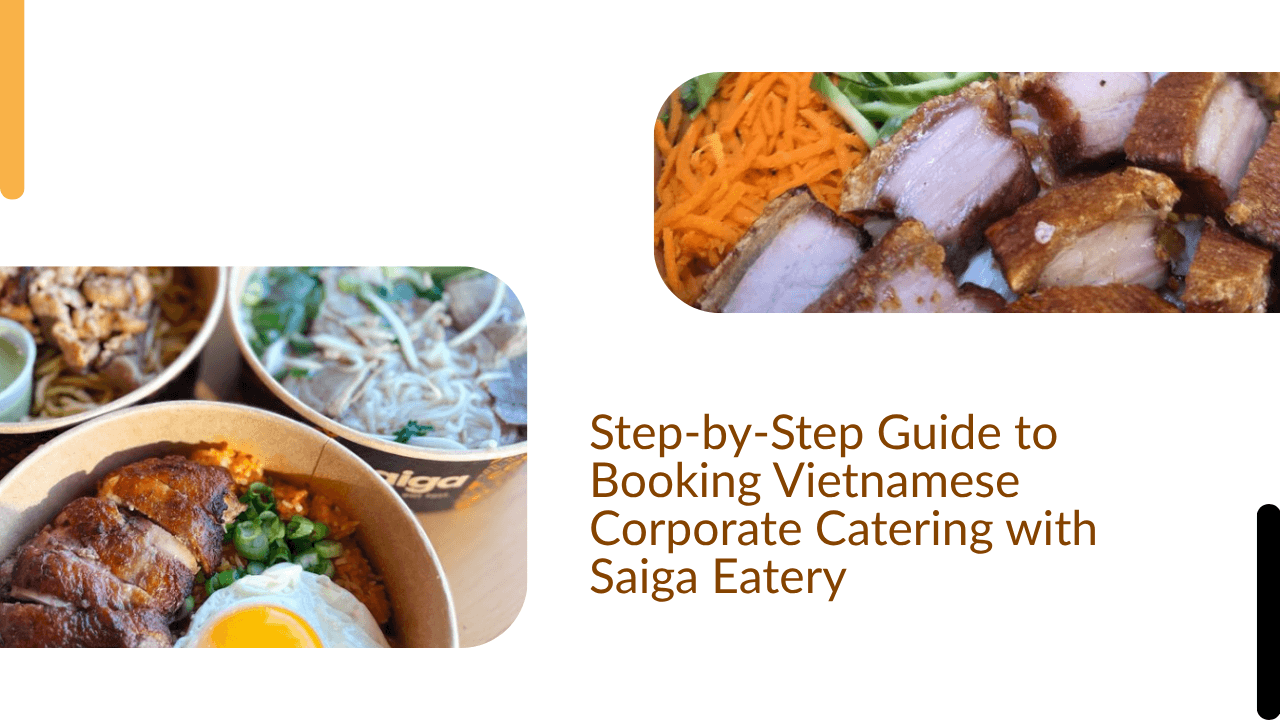
Successful Vietnamese corporate catering starts with clear planning and efficient logistics. Follow these simple steps to ensure your office meeting or corporate event runs smoothly while staying within your budget with Saiga Eatery.
Step 1: Define Your Event Needs & Portion Plan
Gather your key details first: guest headcount, event date, budget boundaries, and any special dietary restrictions.
Choose Your Format: Decide between our individual Corporate Box Lunches for quick productivity or Standard Bundled Packages for team-style dining.
Dietary Inclusivity: Ensure you include plant-based options, such as our Crispy Fried Tofu Trays, to accommodate vegetarian team members seamlessly.
Portion Scaling: Use our flexible group scaling (designed for 20 to 40+ guests) to eliminate costly food waste and prevent overspending.
Step 2: Explore Our Streamlined Menu & Packages
Instead of waiting days for vendor quotes, explore our transparent menu options and bundled solutions directly online.
Best Value Bundles: Select our standard packages featuring premium proteins like Vietnamese BBQ Chicken or Grilled Lemongrass Pork, paired with Garlic Noodles, Jasmine Steamed Rice, and our signature Green Aioli.
Micro-Gatherings: For smaller team meetings (5–6 guests), build a custom menu using our standalone a la carte party trays.
Base Upgrades: Easily swap standard rice for our flavorful Kimchi Fried Rice or add appetizers like Crispy Eggrolls to enhance your spread.
Step 3: Choose Pickup or Convenient Ordering
Evaluate your budget and delivery preferences to maximize cost savings.
Eliminate Delivery Fees: Save on your final bill by utilizing our convenient pickup option at either our Irvine or Orange physical locations. Our staff packages every platter securely for easy transport in your vehicle.
Transparent Pricing: Enjoy clear per-package pricing without hidden fees, making it simple to submit accurate expense reports to your finance department.
Step 4: Confirm & Place Your Order Online
Finalize your corporate order with complete ease using Saiga Eatery’s digital platform.
Seamless Booking: Submit your final headcount and order details directly through our official website atsaigaeatery.com/catering.
Timely Planning: Place your order in advance to secure your preferred pickup or preparation time slot for a stress-free event day.
Common Mistakes to Avoid When Ordering Vietnamese Corporate Catering

Even experienced event planners can stumble when organizing Vietnamese corporate catering. These common pitfalls can turn a promising business meal into a logistical headache or budget disaster.
Quantity & Portion Missteps
The biggest miscalculation involves underestimating how much food your team needs. Vietnamese dishes like pho and banh mi can be surprisingly filling, but buffet-style setups require different calculations than plated meals. Plan for approximately 1.5 pounds of food per person for buffet service.
Over-ordering wastes money and creates disposal problems, while under-ordering leaves colleagues hungry.
Timing & Logistics Failures
Booking Vietnamese catering too close to your event date often triggers rush fees and limits menu options. Fresh spring rolls require advance preparation time. Give vendors at least 48-72 hours notice for standard orders, longer for large groups or custom requests.
Provide specific parking instructions, building access codes, and a reliable contact person who'll be available during the delivery window.
Dietary & Preference Oversights
Vietnamese cuisine contains common allergens like shellfish, peanuts, and fish sauce. Collect dietary restrictions early and communicate them clearly to your vendor. Many traditional dishes can be modified for vegetarian or vegan preferences, but substitutions need advance planning.
Vietnamese Catering vs. Other Cuisine Options for Corporate Events

When planning corporate events, cuisine choice impacts both employee satisfaction and budget outcomes. Vietnamese catering offers distinct advantages over traditional corporate options, particularly for health-conscious workplaces and diverse teams.
Flavor Profile & Health Perception
Vietnamese cuisine centers on fresh herbs, lean proteins, and lighter cooking methods that appeal to modern workplace wellness priorities. Unlike Chinese catering's heavier sauces and deep-fried items, Vietnamese dishes feature grilled meats, fresh vegetables, and herb-forward preparations.
Thai food shares some health benefits but often carries intense spice levels that limit broad appeal. Italian and Mexican options rely heavily on cheese, cream, and processed ingredients that feel outdated for corporate health initiatives.
Cost & Value Comparison
Vietnamese catering typically runs $12–18 per person for quality options, matching Thai pricing while undercutting premium Chinese banquet service by 20–30%. The interactive elements common in Vietnamese catering (pho stations, DIY spring roll bars) add entertainment value that justifies slightly higher costs compared to basic sandwich platters or pizza.
Dietary Accommodation & Inclusivity
Vietnamese menus naturally accommodate diverse dietary needs with abundant vegetarian pho, fresh spring rolls, and rice paper wraps. This flexibility surpasses Chinese cuisine's limited plant-based options and Mexican food's dairy dependence.
The clean ingredient profiles also simplify allergen management compared to Italian dishes with multiple wheat and dairy components.
Frequently Asked Questions
-
Vietnamese corporate catering typically ranges from $12 to $25 per person, depending on menu complexity and service style. Basic lunch packages with popular dishes like banh mi or pho start around $12-15 per person, while premium options featuring specialty items or full-service setups can reach $20-25 per person. Group size and delivery requirements also influence final pricing.
-
Book Vietnamese catering at least one week in advance for standard orders, though 2-3 weeks is recommended for larger events or during busy seasons. Popular vendors may require more notice during peak times like Tet (Vietnamese New Year) or holiday seasons. Last-minute orders are sometimes possible but may limit menu options and vendor availability.
-
Most Vietnamese catering vendors can accommodate common dietary restrictions including vegetarian, vegan, and gluten-free options. Many traditional Vietnamese dishes naturally avoid dairy, making them suitable for lactose-intolerant guests. Always discuss specific allergies and restrictions during booking, as some vendors have more extensive accommodation capabilities than others.
-
Buffet-style catering features individual serving stations where guests select their own portions, ideal for larger groups and varied preferences. Family-style service delivers shared platters to each table, encouraging interaction and providing a more communal dining experience. Buffet-style typically costs less and handles dietary restrictions more easily, while family-style creates a more intimate atmosphere.
-
Look for vendors with proper licensing, positive online reviews, and clear communication during initial inquiries. Professional caterers provide detailed contracts, maintain food safety certifications, and offer references from previous corporate clients. A reliable vendor responds promptly to questions and provides transparent pricing without hidden fees.
