
Pho vs Bun Bo Hue: Vietnam's Most Beloved Noodle Soups
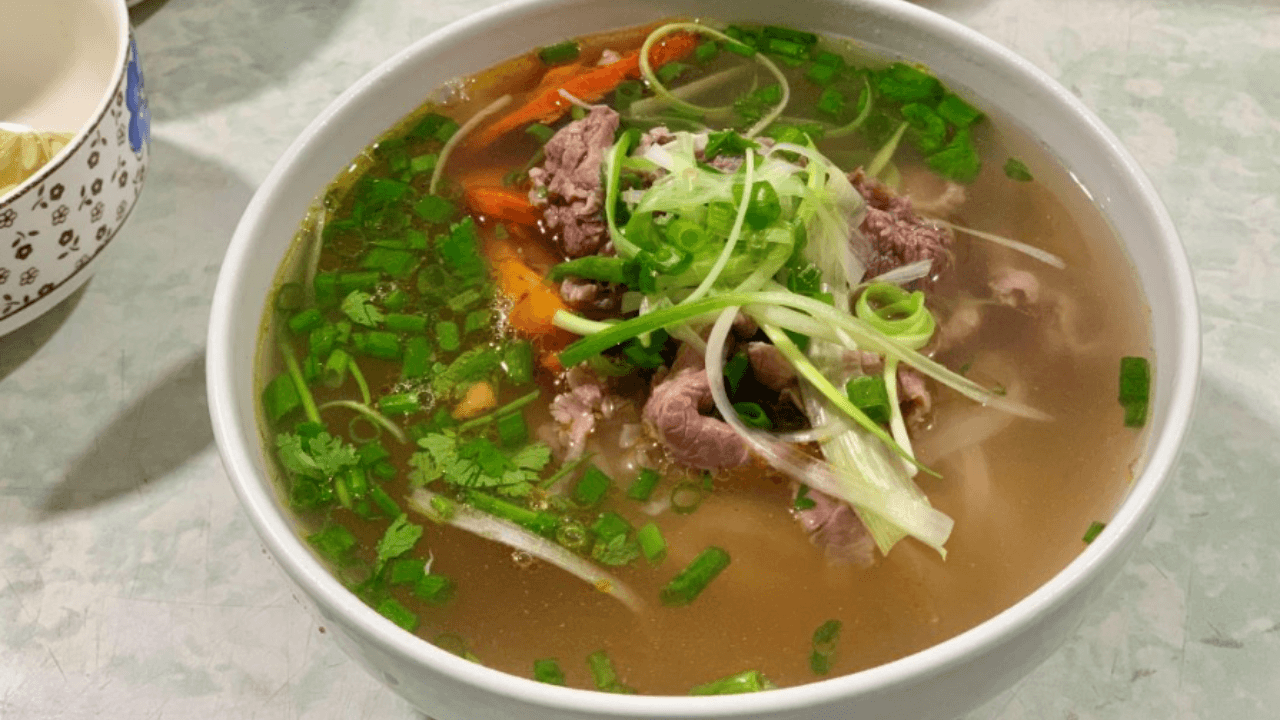
You're at a Vietnamese restaurant, menu in hand, torn between pho and bun bo hue. Both are aromatic, steaming bowls of noodle soup that promise comfort and satisfaction, but they're cousins, not twins. While pho has become the global ambassador of Vietnamese cuisine with its clean, beef-forward broth, bun bo hue brings the heat with its spicy, complex flavors that tell a different story entirely.
These two iconic Vietnamese noodle soups represent distinct culinary traditions from different regions of Vietnam. Pho, born in northern Vietnam and perfected in the south, delivers a clear, fragrant broth that lets each ingredient shine. Bun bo hue hails from the ancient imperial city of Hue in central Vietnam, where cooks developed a bolder, spicier soup broth that combines beef and pork with lemongrass and chili oil.
The differences run deeper than just heat level. From the types of noodles and proteins used to the aromatic herbs that crown each bowl, these soups offer completely different experiences. Understanding what sets them apart helps you make the right choice for your palate and discover which Vietnamese noodle soup speaks to your taste preferences.
Where Do They Come From? Origins & Regional Roots
Understanding where these Vietnamese noodle soups originated reveals why their flavors differ so dramatically. Geography and local ingredients shaped each dish's unique character.
Pho: The Northern Vietnamese Classic
Pho emerged in early 20th century Hanoi, born from the intersection of Vietnamese culinary traditions and French colonial influence. French beef consumption introduced new ingredients to Vietnamese kitchens, while local cooks adapted these proteins into their existing noodle soup framework.
The dish quickly spread throughout Vietnam and became the country's unofficial national soup. Its relatively mild, aromatic broth made it accessible to international palates, fueling pho's global expansion starting in the 1970s.
Bun Bo Hue: Central Vietnam's Spicy Secret
Bun bo hue hails from the ancient imperial city of Hue in central Vietnam, where it developed as a regional specialty reflecting the area's bold, spicy cuisine. Unlike pho's international fame, bun bo hue stayed a well-kept secret among Vietnamese communities abroad until adventurous diners began discovering this complex, fiery soup in recent decades.
Broth & Flavor Profile: The Soul of Each Soup

The broth defines everything in Vietnamese noodle soups. These two soups take completely different approaches to building flavor, creating distinct experiences that appeal to different palates.
Pho Broth: Subtle & Aromatic
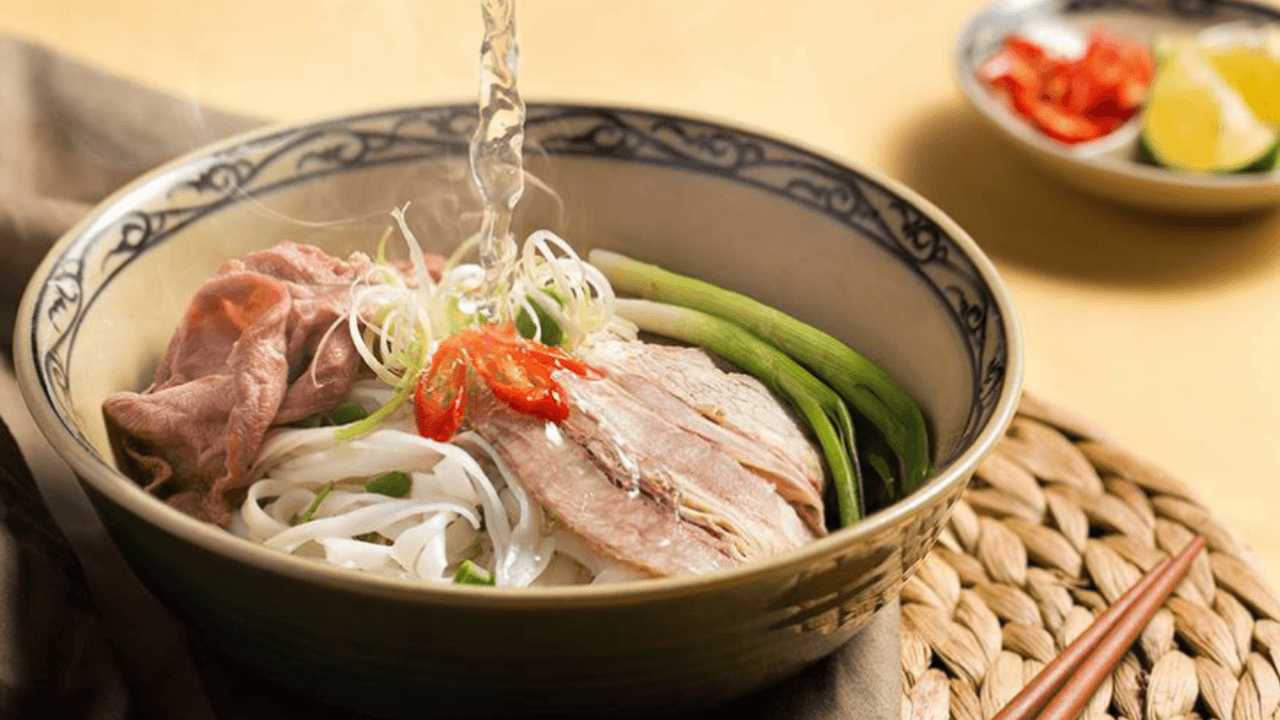
Pho's broth achieves elegance through restraint. Master pho cooks simmer beef bones for 12 to 24 hours with charred onion, ginger, star anise, and cinnamon, creating a clear, amber liquid that tastes clean yet deeply savory. The spices work in harmony rather than competing for attention. This gentle foundation lets you control the heat level by adding sriracha, hoisin sauce, or chili oil at the table.
Bun Bo Hue Broth: Bold & Spicy
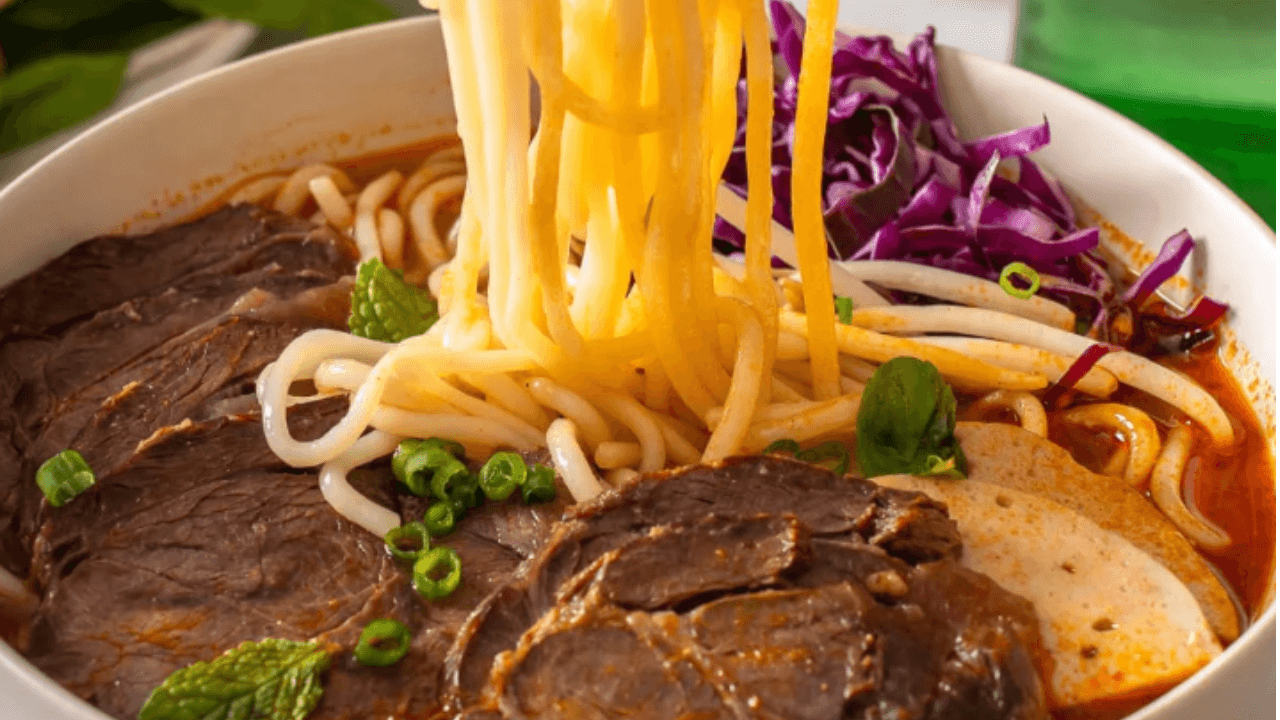
Bun bo hue takes the opposite approach, building complexity and heat directly into the base. The broth combines beef and pork bones with lemongrass, shrimp paste, chilies, and annatto oil, which creates its signature reddish color. Lemongrass adds bright citrus notes that cut through the richness, while shrimp paste provides umami depth. The built-in spiciness means each spoonful delivers immediate flavor impact without requiring additional condiments.
Protein & Ingredients: What's in Your Bowl
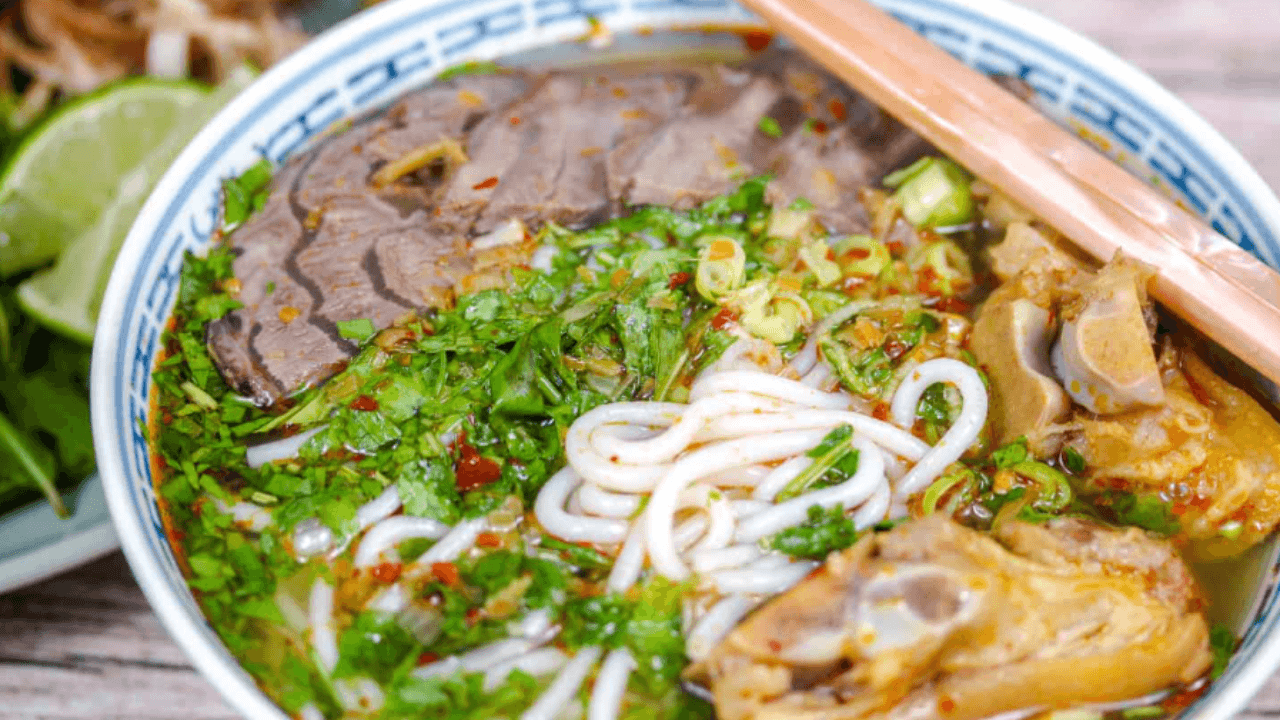
The proteins and ingredients in these Vietnamese noodle soups create distinctly different eating experiences, from the delicate beef-forward approach of pho to the hearty surf-and-turf richness of bun bo hue.
Pho Proteins: Beef-Focused
Pho centers around beef in various forms. Classic preparations feature tender beef brisket, chewy beef tendon, and sometimes beef tripe for adventurous diners. The raw beef slices (called "tái") cook gently in the hot broth right at your table. Many restaurants now offer chicken pho or vegetarian versions with tofu and mushrooms, but beef remains the traditional star.
Bun Bo Hue Proteins: Beef & Pork Blend
Bun bo hue takes a more complex approach, combining beef and pork for deeper flavor layers. You'll find beef brisket alongside pork knuckle, pork blood cake (congealed blood that adds iron-rich taste), and sometimes shrimp. The shrimp paste in the broth amplifies the umami complexity that sets this soup apart.
Noodle & Texture Differences
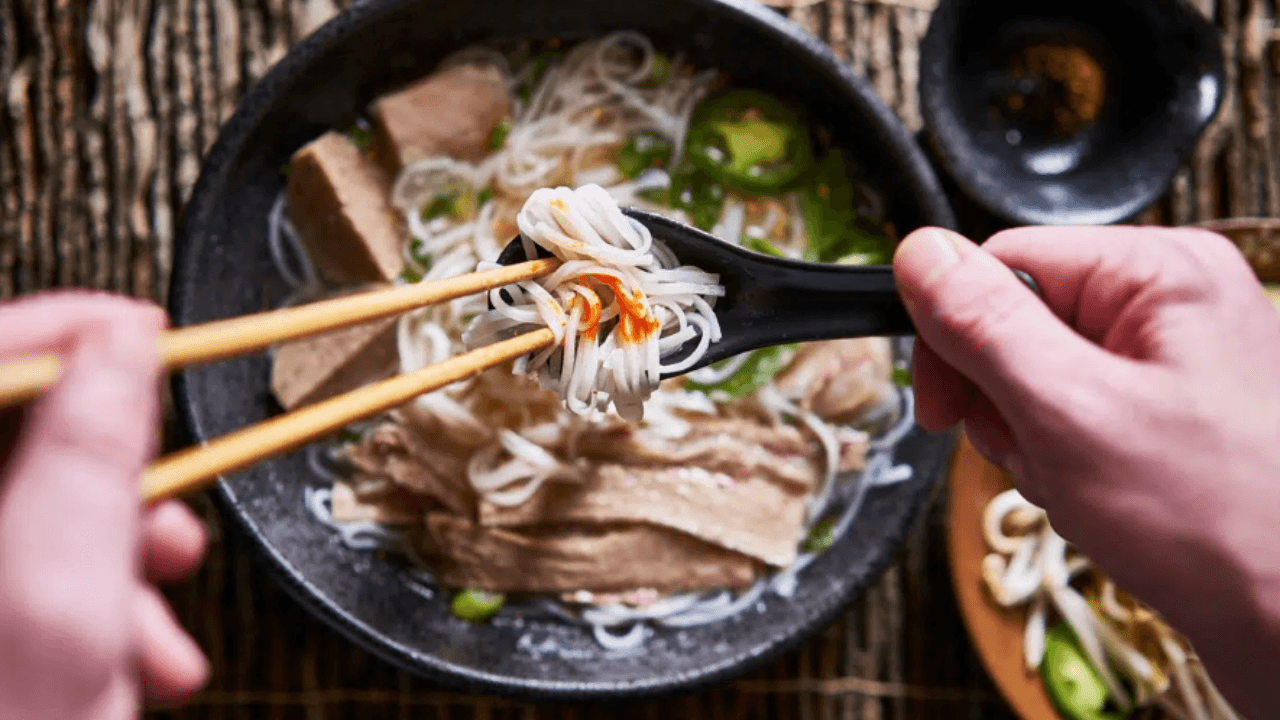
Pho uses delicate, thin rice noodles that absorb the subtle broth beautifully. Bun bo hue employs thicker, chewier rice noodles that better capture and hold the robust, spicy broth, creating more satisfying bites.
How to Choose: Pho or Bun Bo Hue?
Your choice between these Vietnamese noodle soups comes down to personal preference and what you're craving. Consider your heat tolerance, protein preferences, and the dining experience you want.
If You Love Mild Flavors: Pho
Choose pho when you want something gentle and customizable. The clear, aromatic broth won't overwhelm your palate, and you control the heat level with optional chili sauce or jalapeños. Perfect for first-time Vietnamese soup eaters, sick days, or when you prefer beef-focused proteins.
If You Love Spicy Food: Bun Bo Hue
Go with bun bo hue if you crave bold, complex flavors and can handle heat. The lemongrass-infused broth delivers immediate spice, while the combination of beef and pork creates a richer, more substantial meal. The thicker noodles and heartier ingredients make this ideal for cold days or when you want something filling.
Pros & Cons: Making the Final Decision
Pho Advantages:
Mild, approachable flavor that appeals to most palates
Highly customizable with herbs, sauces, and condiments
Widely available at Vietnamese restaurants globally
Quick to consume, making it perfect for lunch breaks
Pho Drawbacks:
Can taste bland without proper seasoning and condiments
Authentic broth requires 12+ hours of simmering
Limited protein variety compared to other Vietnamese soups
Bun Bo Hue Advantages:
Complex, bold flavor profile with immediate impact
Richer, more satisfying broth with deeper umami
Combines multiple proteins for varied textures
Lemongrass and spices create memorable taste
Bun Bo Hue Drawbacks:
Spice level may overwhelm heat-sensitive diners
Harder to find at restaurants outside Vietnamese communities
More complex preparation with specialized ingredients
Your choice ultimately depends on your spice tolerance and desire for culinary adventure.
Where to Order & What to Expect
Both Vietnamese noodle soups offer distinct dining experiences, but availability varies significantly between the two.
Expect to pay $8–12 for pho at most Vietnamese restaurants, while bun bo hue typically runs $10–14 due to its more complex broth preparation. Portion sizes are generous for both, designed as complete meals rather than appetizers.
Finding Authentic Pho: What to Look For
Pho appears on nearly every Vietnamese restaurant menu, plus many pho-specific shops and Asian fusion spots. Look for restaurants where the broth simmers visibly in large stockpots and fresh herbs arrive tableside. Quality indicators include clear, aromatic broth, tender meat, and proper rice noodle texture.
Finding Authentic Bun Bo Hue: Rarer Find
This spicy Vietnamese soup requires more hunting. Seek established Vietnamese restaurants that advertise regional specialties or Central Vietnamese dishes. Check menus online beforehand, as many restaurants don't offer bun bo hue daily. Family-owned establishments often provide the most authentic versions, with proper lemongrass-infused broths and traditional beef and pork combinations.
The Verdict: Which Soup Wins?
There's no winner here, only the soup that matches your mood and palate. Each bowl represents a different facet of Vietnamese culinary heritage, worthy of your time and appreciation.
Choose pho when you want comfort without complexity. Its gentle, aromatic broth welcomes customization and appeals to nearly every palate. Pick bun bo hue when you crave bold flavors and culinary adventure. This spicy Vietnamese soup delivers complexity that rewards curious eaters with layers of lemongrass, chili oil, and rich beef and pork flavors that pho simply can't match.
Both noodle soups offer deep satisfaction and authentic tradition. Rather than choosing sides, embrace both experiences. Visit your local Vietnamese restaurant to taste the key differences firsthand, or challenge yourself to make one at home using an Instant Pot for convenience.
Frequently Asked Questions
-
The main difference lies in flavor complexity and spice level. Pho features a clear, aromatic broth that's mild and balanced, while bun bo hue delivers a bold, spicy broth with lemongrass and chili oil. Pho uses thin rice noodles, whereas bun bo hue uses thicker, round rice vermicelli noodles.
-
Yes, bun bo hue is significantly spicier than pho. Traditional bun bo hue includes chili oil and spicy fermented shrimp paste, giving it a fiery kick that pho doesn't have. Most pho broths are mild and comforting, though you can add chili sauce on the side.
-
Both soups work well in an Instant Pot, though they require different approaches. Pho broth needs about 2 hours under pressure to extract flavors from beef bones, while bun bo hue benefits from sautéing the lemongrass and aromatics first before pressure cooking for 90 minutes.
-
Pho originated in northern Vietnam around Hanoi in the early 1900s, then spread throughout the country. Bun bo hue comes from the ancient imperial city of Hue in central Vietnam, where it developed as royal court cuisine.
-
Pho typically features beef (rare slices, brisket, or meatballs) or chicken. Bun bo hue traditionally includes pork knuckle, beef shank, and Vietnamese blood sausage, creating a more diverse protein mix with richer textures.
