
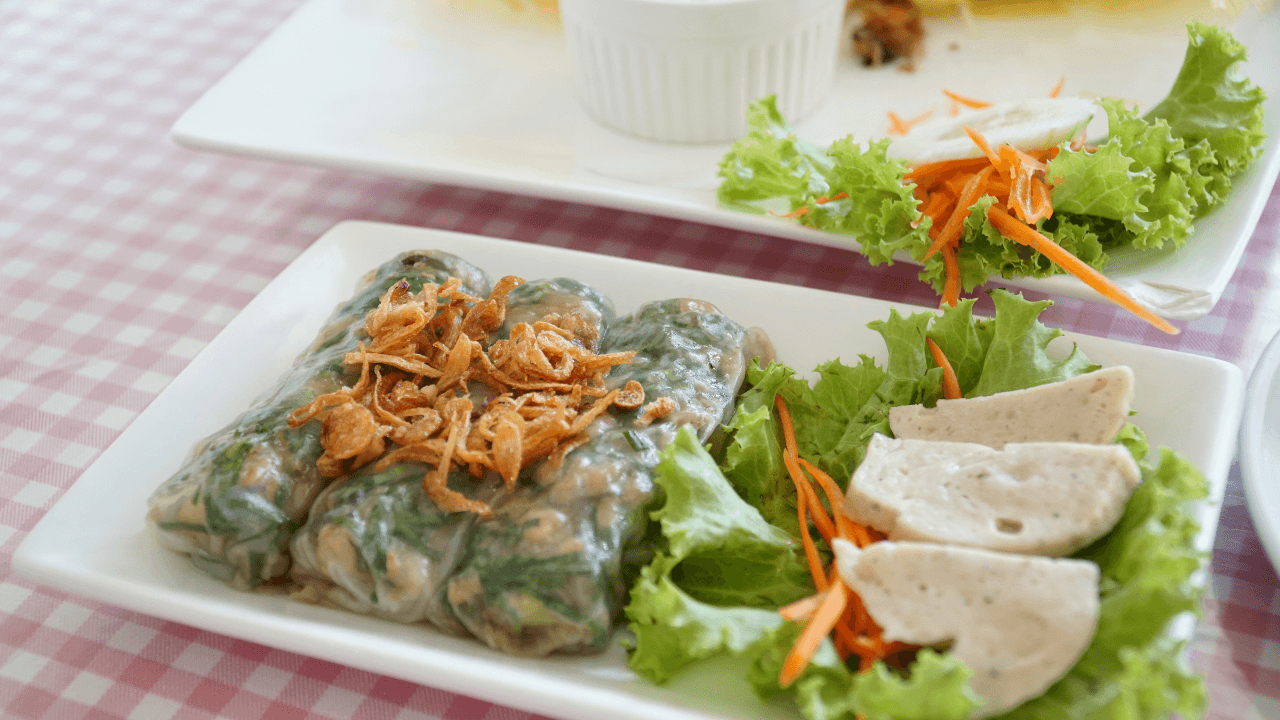
Vietnam's culinary landscape might surprise you. While the country is famous for pho brimming with beef broth and fish sauce-laden dishes, Vietnamese cuisine actually offers one of the world's most vibrant vegetarian traditions. Buddhist temple cooking has flourished here for centuries, creating sophisticated plant-based versions of beloved classics like vegan phở and delicate spring rolls chay.
Fresh herbs, crisp vegetables, and umami-rich ingredients like mushrooms and fermented soybeans form the backbone of Vietnamese cooking. Whether you're planning a trip to Vietnam, want to recreate authentic flavors at home, or simply love discovering new plant-based cuisines, Vietnamese vegetarian food offers endless possibilities.
Why Vietnamese Cuisine Is Naturally Vegetarian-Friendly
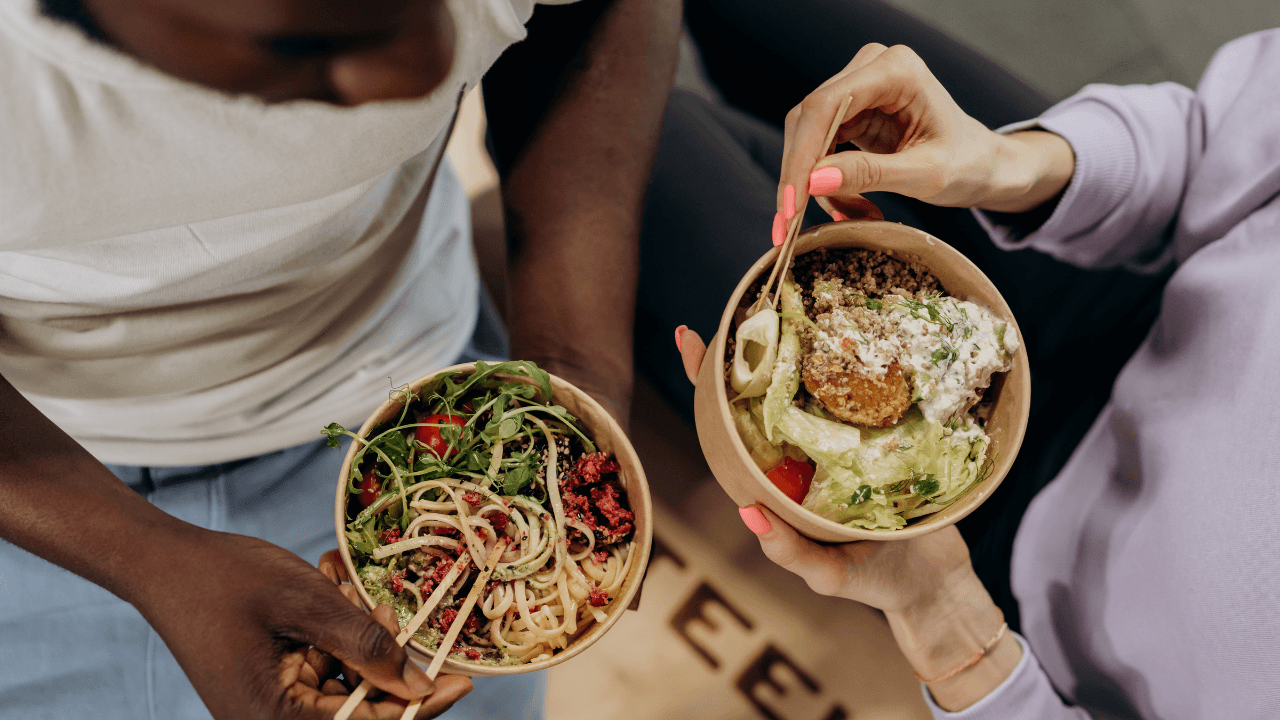
Vietnamese cooking embraces vegetables and herbs with an intensity that makes plant-based eating feel effortless rather than restrictive. This vegetable-forward approach stems from deep cultural roots and practical culinary wisdom evolved over centuries.
Buddhist Influence & Plant-Based Traditions
Buddhist monasteries across Vietnam developed sophisticated vegetarian cooking techniques that spread throughout the culture. During Buddhist holidays, many Vietnamese families observe temporary vegetarian periods, creating demand for creative plant-based versions of beloved dishes. This tradition gave birth to "chay" cuisine, where tofu, mushrooms, and vegetables masterfully replicate the textures and flavors of meat-based dishes.
Fresh Herbs & Vegetables as Stars
Vietnamese meals revolve around abundant fresh herbs and seasonal vegetables. Every bowl of phở arrives with mint, cilantro, Thai basil, and bean sprouts. Morning glory stir-fried with garlic appears on most restaurant menus. This herb-centric approach means vegetarian vietnamese dishes naturally burst with flavor and nutrition.
12 Must-Try Vegetarian Vietnamese Dishes
1. Phở Chay (Vegetarian Pho) transforms the iconic noodle soup with rich vegetable broth, tofu, and aromatic spices. The depth comes from charred onions, ginger, and star anise.
2. Chả Giò Chay (Fried Vegetarian Spring Rolls) feature crispy rice paper wrapped around seasoned vegetables, mushrooms, and glass noodles.
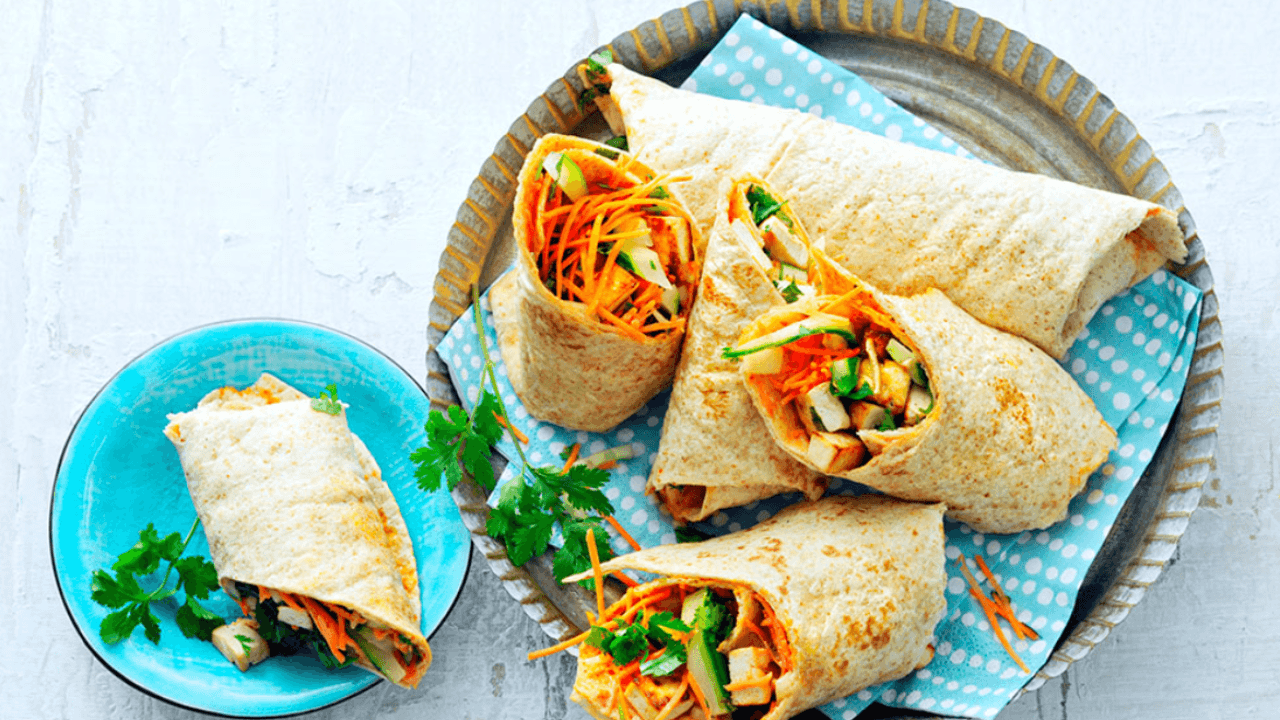
3. Bánh Mì Chay (Vegetarian Bánh Mì) layers marinated tofu, pickled daikon, carrots, and cilantro on crusty French bread.
4. Gỏi Bắp Chuối (Banana Blossom Salad) showcases the tender purple flower's unique crunch mixed with herbs, peanuts, and tangy dressing.
5. Cơm Tấm Chay (Broken Rice with Tofu) offers comfort food appeal with grilled tofu, pickled vegetables, and broken rice grains that absorb flavors beautifully.
6. Bánh Bột Lọc Chay (Vegan Clear Dumplings) present delicate tapioca pearls filled with seasoned mushrooms.
7. Gỏi Cuốn Chay (Fresh Spring Rolls) wrap crisp vegetables, herbs, and rice noodles in translucent rice paper.
8. Đậu Hũ Xào Xả Ớt (Lemongrass Chili Tofu) features firm tofu stir-fried with aromatic lemongrass and bird's eye chilies.
9. Bánh Xèo Chay (Vegetarian Crepe) creates crispy turmeric pancakes filled with bean sprouts and mushrooms.
10. Cà Tím Nướng (Grilled Eggplant) transforms humble eggplant into smoky perfection with scallion oil and crushed peanuts.
11. Chè Đậu Xanh (Mung Bean Sweet Soup) provides a comforting dessert with creamy mung beans in coconut milk.
12. Nộm Su Hào (Kohlrabi Salad) combines shredded kohlrabi with herbs and roasted peanuts in tangy dressing.
Essential Vietnamese Ingredients for Vegetarian Cooking
Building authentic Vietnamese flavors without meat requires understanding the core ingredients that create depth and complexity.
Proteins & Meat Substitutes
Firm tofu serves as the foundation for most Vietnamese vegetarian dishes, absorbing marinades beautifully when pressed and cubed. Silken tofu works perfectly in soups, while pressed tofu delivers satisfying texture in stir-fries. Shiitake and oyster mushrooms provide umami depth, especially when dried and rehydrated.
Flavor Builders & Condiments
Replace fish sauce with mushroom seasoning powder or light soy sauce mixed with a touch of miso paste. Vegetarian oyster sauce (made from mushrooms) maintains authentic taste profiles. Chili garlic sauce and sambal oelek add heat without compromising plant-based principles.
Fresh Herbs & Aromatics
Thai basil, cilantro, mint, and Vietnamese coriander create the signature fresh finish. Store herbs stem-down in water, covered with plastic bags. Lemongrass, ginger, and shallots form the aromatic base for most dishes.
Vegetarian Vietnamese Food vs. Vegan: Key Differences
Traditional vegetarian Vietnamese dishes often include eggs and dairy products. Popular bánh mì chay may feature fried eggs, while many Vietnamese desserts incorporate condensed milk or coconut milk.
Vegan Vietnamese food excludes all animal products entirely. This means substituting fish sauce with soy sauce or mushroom sauce for umami depth. Vegan phở relies on vegetable or mushroom broth instead of beef stock.
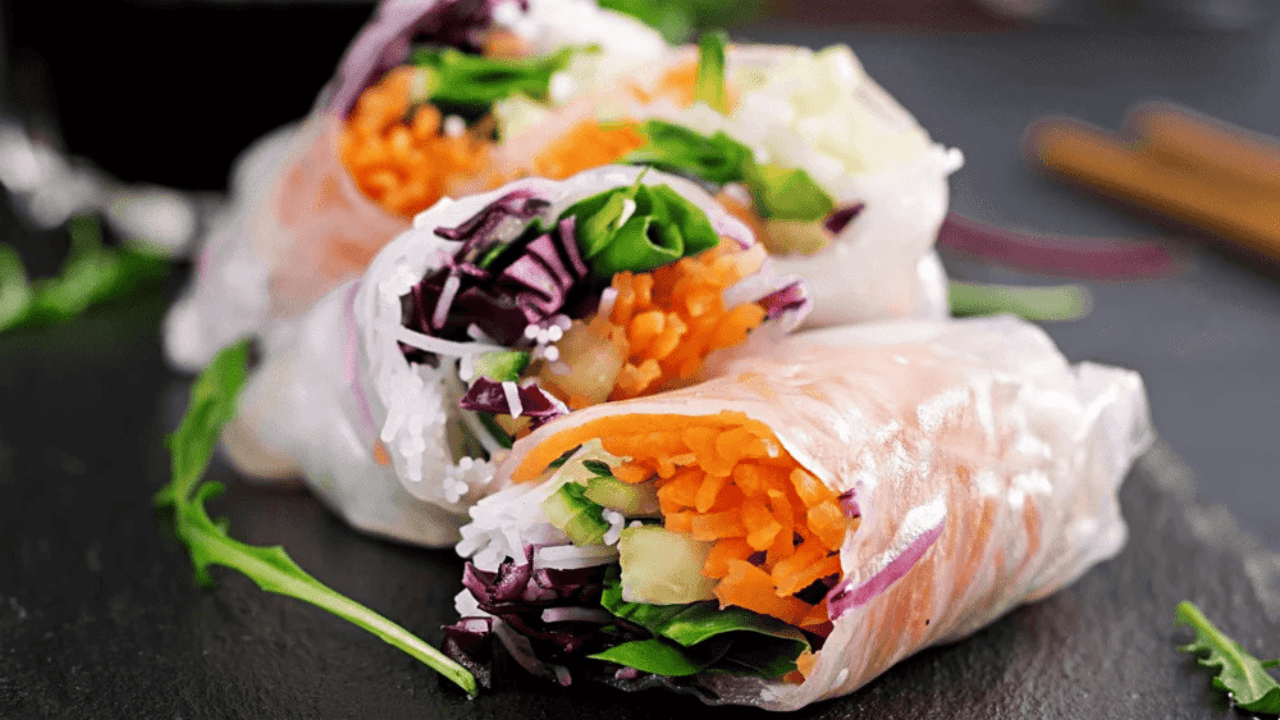
Many Vietnamese dishes adapt easily to vegan preferences. Fresh spring rolls, banana blossom salad, and morning glory with garlic require minimal modifications. When dining out, specify "thuần chay" (strict vegan) to ensure no fish sauce, eggs, or dairy appear in your meal.
Vegetarian Vietnamese Desserts & Beverages
Vietnamese sweets and drinks offer abundant plant-based options. Chè ba màu (three-color dessert) layers sweet mung beans, red beans, and coconut cream over crushed ice for a refreshing treat that's naturally vegan.
For beverages, Vietnamese iced coffee transforms easily into a plant-based delight by substituting coconut milk for condensed milk. Fresh coconut water and sugarcane juice offer authentic refreshment.
Modern Vietnamese bakeries now craft bánh flan chay using silken tofu and coconut cream instead of eggs and dairy, creating surprisingly creamy vegan caramel custard.
Frequently Asked Questions
-
Yes, Vietnam has a strong Buddhist tradition that makes vegetarian dining surprisingly accessible. Most cities have dedicated vegetarian restaurants called "cơm chay," and many regular restaurants offer plant-based versions of popular dishes. Street food can be trickier since fish sauce and meat broths are common, but with some Vietnamese phrases, you'll navigate it successfully.
-
Bánh mì chay (vegetarian bánh mì) is perfect for newcomers. The familiar bread format feels approachable, while ingredients like pickled vegetables, cilantro, and marinated tofu introduce you to Vietnamese flavors gradually. It's widely available and easy to customize to your taste preferences.
-
Say "Tôi ăn chay" (toy an chai), which means "I eat vegetarian." For clarity, add "không thịt, không cá" (khong teet, khong ka) meaning "no meat, no fish." Most vendors will understand and can guide you to suitable options.
-
Soy sauce mixed with a pinch of seaweed flakes creates the closest substitute. Mushroom seasoning sauce or vegetarian "fish" sauce (made from soybeans and seaweed) also work well. Some cooks use a combination of soy sauce, rice vinegar, and a touch of sugar.
-
Not automatically. Fresh spring rolls often contain shrimp or pork, while bánh mì typically includes various meats. However, vegetarian versions are common and delicious, filled with tofu, fresh herbs, pickled vegetables, and sometimes mock meats.
